


The pharmaceutical industry generates roughly $1.6 trillion in global revenue annually. The companies within it are also among the most heavily fined corporate entities in history. The cases documented here are not allegations. They are settled lawsuits, criminal convictions, internal documents released in discovery, and regulatory findings — a record of what drug companies knew about their products' risks, when they knew it, and what they chose to do with that knowledge.
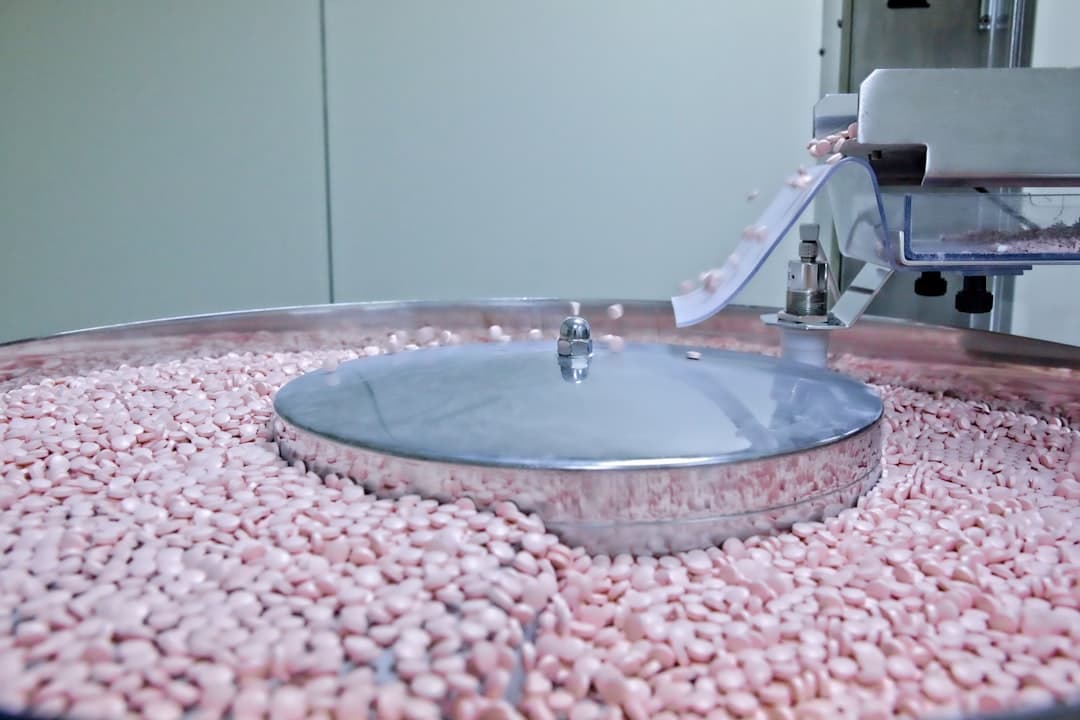
Vioxx: Merck and the 60,000 Deaths That Did Not Have to Happen
Vioxx — generic name rofecoxib — was a painkiller manufactured by Merck and approved by the FDA in 1999. It belonged to a class of drugs called COX-2 inhibitors, marketed as a safer alternative to traditional painkillers like ibuprofen because it was less likely to cause gastrointestinal bleeding. Merck promoted it aggressively, and by 2003 Vioxx had been prescribed to more than 80 million people worldwide.
The problem was the cardiovascular risk. Internal Merck documents, released during subsequent litigation, showed that company scientists had identified a potential link between Vioxx and increased heart attack and stroke risk years before the drug was withdrawn from the market. A 2000 clinical trial called VIGOR — which Merck itself conducted to demonstrate Vioxx's gastrointestinal advantages — showed a fivefold increase in heart attacks compared to naproxen. Merck's internal response, as documented in emails and memoranda from the litigation record, was to attribute the disparity to naproxen's cardioprotective effects rather than Vioxx's cardiovascular risk — a hypothesis that was not supported by available evidence and that some internal researchers disputed.
The VIGOR data was submitted to the FDA, but the cardiovascular findings were not included in the updated prescribing information for nearly two years. A 2004 FDA safety officer, Dr. David Graham, later testified before the Senate Finance Committee that Vioxx had caused between 88,000 and 139,000 heart attacks in the United States, with approximately 30 to 40 percent of those being fatal. Outside estimates, accounting for global usage, have placed the total death toll at approximately 60,000.
Merck voluntarily withdrew Vioxx from the market in September 2004 — five years after approval — when a second clinical trial confirmed the cardiovascular risk. In 2007, Merck agreed to pay $4.85 billion to settle approximately 27,000 personal injury lawsuits. In 2011, Merck pleaded guilty to a criminal misdemeanor charge and paid an additional $950 million in criminal and civil penalties for illegal promotion of Vioxx for uses the FDA had not approved. No individual Merck executives were criminally charged.
Dr. Graham, who attempted to raise the alarm through internal FDA channels before going to Congress, described being pressured by FDA management to soften his findings. His case became a standard reference point in discussions of regulatory capture — the phenomenon by which the agency charged with overseeing an industry gradually adopts the industry's perspective.
OxyContin and the Sackler Family: Manufacturing an Epidemic
The opioid crisis is, by any reasonable measure, the deadliest drug catastrophe in American history. More than 500,000 Americans died from opioid overdoses between 1999 and 2019. The origin of the epidemic is documented in extraordinary detail, because the litigation against Purdue Pharma produced one of the most extensive corporate document releases in pharmaceutical history.
Purdue Pharma introduced OxyContin in 1996. The drug's active ingredient, oxycodone, was not new — opioid painkillers had been used in medicine for decades, with well-understood addiction risks. What Purdue sold was a purportedly different formulation: a time-release mechanism, they claimed, that made OxyContin less addictive than immediate-release opioids because it maintained steady blood levels rather than creating spikes.
The claim was false, and Purdue's own research showed it. Internal documents revealed in litigation demonstrated that Purdue knew OxyContin was being crushed and snorted by users to defeat the time-release mechanism within years of the drug's launch. The company's own market research identified a subset of customers whose purchasing patterns indicated misuse, and Purdue continued marketing aggressively to them. Sales representatives were trained to counter physicians' addiction concerns with reassurances that had no clinical basis.
The Sackler family, which owned Purdue privately, extracted approximately $10 to $12 billion from the company between 1995 and 2018. Documents released in the bankruptcy proceedings showed that family members were directly involved in marketing strategy decisions, including the push to increase prescription volumes in markets already showing signs of elevated overdose rates.
In 2007, Purdue Pharma pleaded guilty to felony misbranding — falsely claiming that OxyContin was less addictive and less subject to abuse than other opioids — and paid $600 million in fines. Three company executives pleaded guilty to misdemeanor charges. In 2019, Purdue filed for bankruptcy under the weight of more than 2,600 lawsuits from state and local governments. The bankruptcy settlement, finalized after years of litigation, saw the Sackler family pay approximately $6 billion while receiving broad civil immunity from future opioid-related lawsuits — a provision that the Supreme Court struck down in 2024, sending the settlement back for renegotiation.
The opioid epidemic also implicates other pharmaceutical manufacturers, distributors, and pharmacy chains. Johnson & Johnson, which manufactured raw opioid ingredients and marketed its own opioid products, paid $465 million in a 2021 Oklahoma judgment, later reduced on appeal. McKesson, AmerisourceBergen, and Cardinal Health — the three largest pharmaceutical distributors — collectively agreed to pay $21 billion over 18 years to settle claims that they had filled orders for opioids at volumes that should have triggered mandatory reporting under federal drug distribution law.
Bayer and HIV-Contaminated Blood Products
In the 1980s, a significant portion of people with hemophilia — a condition that prevents normal blood clotting — were infected with HIV through contaminated blood clotting products. The products, known as Factor VIII concentrates, were manufactured by several companies including Bayer's pharmaceutical division, then operating as Cutter Biological.
By 1984, the risk that blood products could transmit HIV was known to the medical and pharmaceutical community. Heat treatment could eliminate the virus. Cutter developed a heat-treated version of its Factor VIII product and began selling it in the United States and Europe. At the same time, the company had a large inventory of the older, non-heat-treated product.
Internal documents obtained by The New York Times and published in 2003 showed that Cutter continued selling its untreated blood products in Asia and Latin America for months after switching to the heat-treated version in the US and Europe. Company memos from 1985 discussed the need to "unload" the existing inventory. The company's own documents noted that its medical department had recommended against further distribution of the potentially contaminated product.
The contamination infected thousands of hemophilia patients who received the products. In some countries, the infection rate among people with hemophilia who were treated with these products exceeded 50 percent. In France, the contaminated blood scandal resulted in criminal convictions of government health officials. In Japan, Green Cross Corporation — which manufactured similar products — saw its chairman convicted of professional negligence. In the United States, Bayer settled lawsuits arising from the contaminated products for amounts that were not publicly disclosed as a condition of settlement.
Johnson & Johnson: Asbestos in Baby Powder
Johnson & Johnson marketed its talcum powder products, including its iconic Baby Powder, as pure and safe for over a century. In 2019, Reuters published an investigation based on internal company documents, scientific reports, and sworn depositions showing that Johnson & Johnson had known since at least the 1970s that its talc sometimes contained small amounts of asbestos — a known carcinogen — and did not disclose this to regulators or consumers.
Internal documents from as early as 1957 and 1958 showed that company testing had found fibrous material in talc from its mines. Later documents showed that company scientists and outside consultants periodically found asbestos in talc samples, and that the company's internal responses focused on managing test results rather than reformulating the product.
Johnson & Johnson denied the Reuters findings and maintained that its talc products were safe and asbestos-free. In subsequent FDA testing conducted in 2019, the agency found trace amounts of chrysotile asbestos in one sample of Johnson's Baby Powder and requested a voluntary recall. The company initially disputed the FDA's findings before eventually discontinuing talc-based Baby Powder sales in the United States and Canada in 2020, citing "misinformation" and "unfounded media reports."
By 2024, Johnson & Johnson faced approximately 61,000 talc-related lawsuits. The company attempted twice to use a controversial legal strategy — spinning off its talc liabilities into a subsidiary and immediately filing that subsidiary for bankruptcy — to cap its exposure. Federal courts blocked the strategy both times. In 2024, Johnson & Johnson announced a $6.475 billion settlement to resolve the talc claims, which required approval from a supermajority of claimants.
SSRIs and the Suppression of Suicide Risk Data
Selective serotonin reuptake inhibitors — SSRIs — are among the most widely prescribed drugs in the world, used primarily to treat depression and anxiety. The concern that SSRIs might, in some patients, increase rather than decrease the risk of suicidal thinking and behavior was the subject of documented suppression by at least one major pharmaceutical manufacturer.
GlaxoSmithKline's drug paroxetine — sold in the United States as Paxil — was the subject of an internal trial known as Study 329, conducted in adolescents with major depression. The study, completed in 1998, found that paroxetine was not more effective than placebo in treating adolescent depression and that it was associated with increased suicidal ideation compared to placebo.
GlaxoSmithKline did not publish the full Study 329 results. Instead, a 2001 paper published in the Journal of the American Academy of Child and Adolescent Psychiatry — authored by academic researchers, with GlaxoSmithKline employees acknowledged as contributors — described the study as showing "remarkable efficacy and safety." The negative efficacy findings and the adverse psychiatric events were not adequately reported.
Internal GlaxoSmithKline documents obtained in litigation showed that company executives were aware of the discrepancy between the actual data and the published paper and discussed strategies for managing the data's publication. A 2003 internal memorandum discussed the importance of "effectively managing the dissemination of these data" to minimize commercial impact.
In 2004, the FDA required all antidepressants to carry a black box warning — its strongest warning — about increased risk of suicidal thinking in children and adolescents. In 2012, GlaxoSmithKline pleaded guilty to criminal charges and paid $3 billion in fines — at the time the largest healthcare fraud settlement in US history — covering the illegal promotion of Paxil for patients under 18, the suppression of safety data about the drug, and separate issues involving other medications.
Insulin Pricing: Coordinated Increases Across Competitors
Insulin was first isolated in 1921. A century later, a vial of insulin in the United States costs between $200 and $400. In Canada — where the same manufacturers sell the same products — the same vial costs approximately $30. The disparity is not accidental, and it is not explained by manufacturing costs or research and development investment in insulin, which has not changed in any fundamental way since synthetic human insulin replaced animal-derived insulin in the 1980s.
The three manufacturers that control approximately 90 percent of the global insulin market — Eli Lilly, Novo Nordisk, and Sanofi — increased the prices of their insulin products in strikingly parallel fashion over the two decades between 1996 and 2017. A 2019 analysis published in JAMA Internal Medicine found that the list price of insulin increased by 197 percent between 2002 and 2013 for Eli Lilly's products, 170 percent for Novo Nordisk's, and 169 percent for Sanofi's — despite no significant changes in the formulations or manufacturing processes.
Class action lawsuits filed against all three manufacturers alleged that the parallel pricing increases constituted anticompetitive coordination. Internal documents released in discovery showed communications between manufacturer representatives and discussions of pricing strategy at industry events. In 2023, Eli Lilly announced it would cap insulin prices at $35 per month for patients using its products — a move widely interpreted as a response to congressional pressure and potential legislation rather than a market-driven decision.
The practical consequences of insulin pricing were not abstract. The American Diabetes Association documented cases of patients rationing insulin due to cost — diluting doses, skipping injections, or delaying refills. Diabetic ketoacidosis, a potentially fatal complication of insulin deficiency, can develop within hours of insulin deprivation. Multiple documented deaths of insulin-dependent diabetics who had rationed their insulin due to cost became focal points in congressional hearings on drug pricing.
The Structural Pattern
Across these cases — and the dozens of others documented in pharmaceutical litigation records — a structural pattern repeats with enough consistency to be identifiable as a feature rather than an anomaly.
First, adverse findings are identified internally and managed as a communication problem before they are treated as a safety problem. The Merck documents on Vioxx, the GlaxoSmithKline documents on Study 329, the Cutter documents on contaminated blood products, and the J&J documents on talc all show this sequence. The instinct of corporate legal and communications departments — whose interests align with continued sales — prevails over the instinct of safety and medical affairs departments whose interests align with accurate disclosure.
Second, regulatory disclosure is delayed, incomplete, or structured to minimize required action. The Vioxx cardiovascular data was technically submitted to the FDA but was not reflected in prescribing information for years. The Paxil adolescent trial results were not submitted at all. Disclosure requirements under FDA rules depend significantly on how data is framed and which studies are formally submitted for review.
Third, when misconduct becomes public, settlements are structured to maximize finality for the company. No individual executives in the Vioxx case, the Purdue Pharma case, or the GlaxoSmithKline case served prison time for conduct that, in the case of Purdue, a federal judge described as having contributed to a public health catastrophe. Fines, even in the billions, represent a fraction of profits generated during the period of misconduct.
Fourth, the same companies return to the market with new products, new marketing campaigns, and in many cases new leadership that allows institutional distance from previous conduct. GlaxoSmithKline paid $3 billion in 2012 and continues to be a major pharmaceutical manufacturer. Bayer acquired Monsanto in 2018 and continues to operate its pharmaceutical division globally.
What the Record Establishes
The cases documented here share a common thread: in each instance, internal company records show that decision-makers had access to information about product risks that was not shared with physicians, patients, or regulators in a timely or complete manner. In each case, the gap between internal knowledge and public disclosure was measured not in weeks but in years — years during which patients were prescribed, consumed, or used products whose documented risks they did not know.
These are not allegations rejected by courts. They are the findings of courts, the admissions of companies in criminal guilty pleas, and the contents of internal documents that companies argued — unsuccessfully — should remain sealed. The pharmaceutical industry's response to these cases has been, consistently, to treat them as isolated failures of individual corporate cultures rather than as evidence of structural incentives that systematically prioritize sales over safety reporting.
Whether the structural incentives have changed is a question that can only be answered by the next generation of internal documents — the ones that have not yet been released in discovery.