68 documented claims
Scientific fraud, replication failures, and suppressed research findings documented through peer review, retraction records, and institutional investigations. When science was silenced for profit or politics.
Dismissed by — Geologists
Science is supposed to be self-correcting. The peer review process, replication studies, and the open exchange of data are designed to catch errors and fraud. In practice, these mechanisms work imperfectly, slowly, and sometimes not at all — particularly when the findings threaten powerful interests or established paradigms.
The replication crisis represents the most widespread failure in modern science. A landmark 2015 study by the Open Science Collaboration attempted to replicate 100 psychology experiments published in leading journals. Only 36% produced statistically significant results consistent with the original findings. Similar replication failures have been documented in cancer biology (where an Amgen team could replicate only 6 of 53 "landmark" studies), economics, and social science. The causes are structural: publication bias favoring positive results, insufficient sample sizes, p-hacking and other statistical manipulation, and career incentives that reward novelty over rigor.
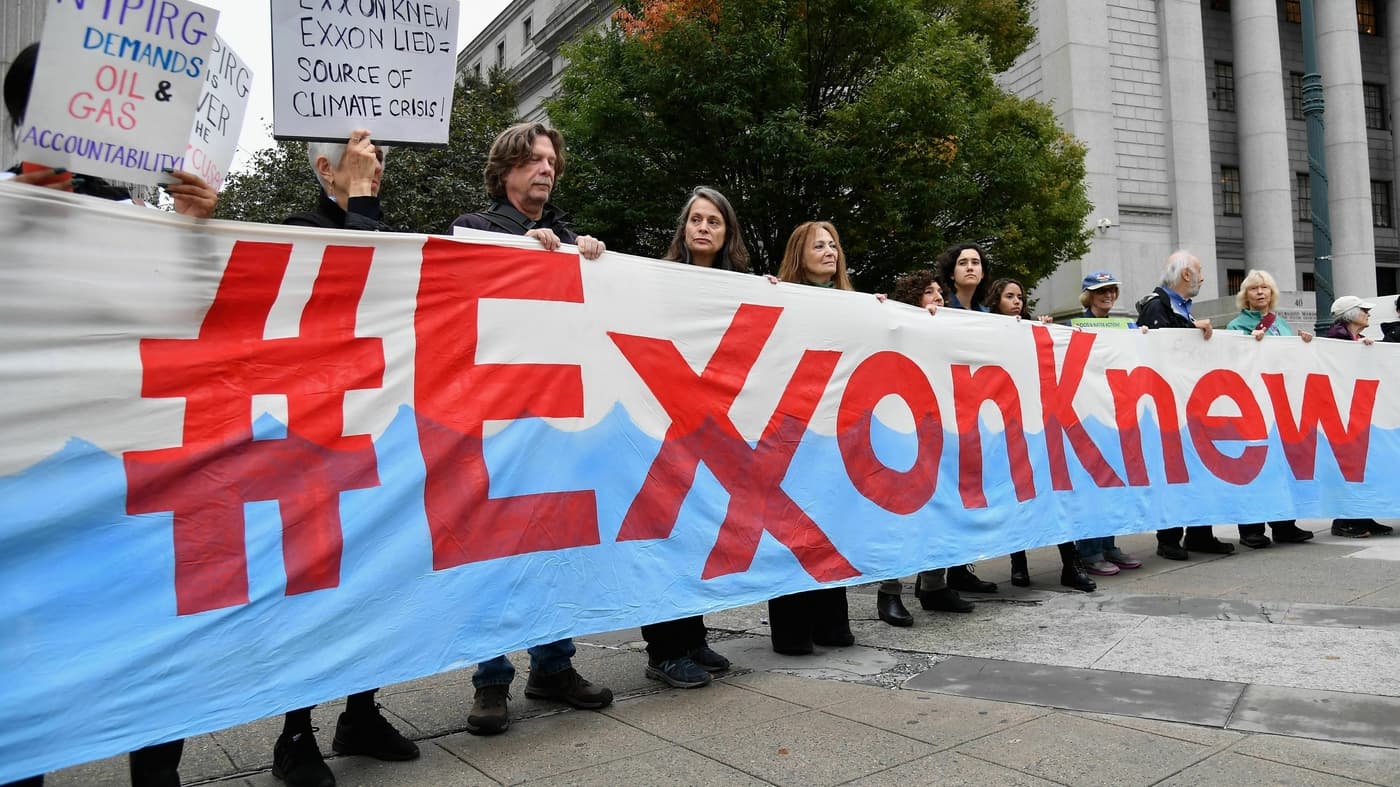
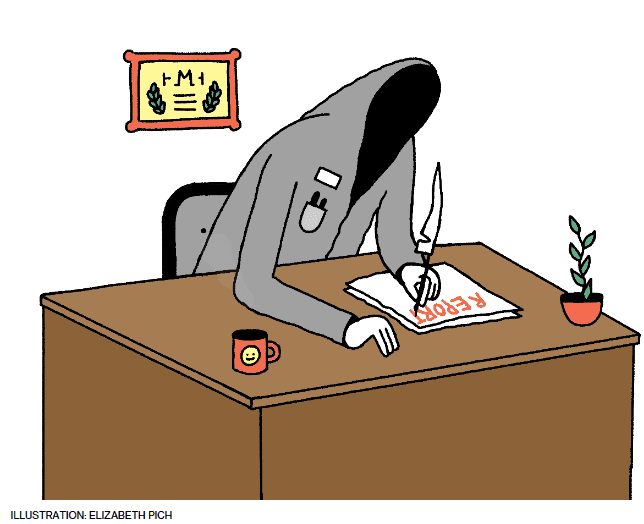
The tobacco industry's corruption of science set the template for corporate interference in research. For decades, tobacco companies funded research designed to produce doubt about the link between smoking and cancer. They didn't need to prove smoking was safe — they just needed to create enough conflicting studies to give regulators and the public a reason to hesitate. This playbook has been adopted by the fossil fuel industry for climate science, the sugar industry for nutrition research, the chemical industry for toxicology studies, and the pharmaceutical industry for drug safety research.
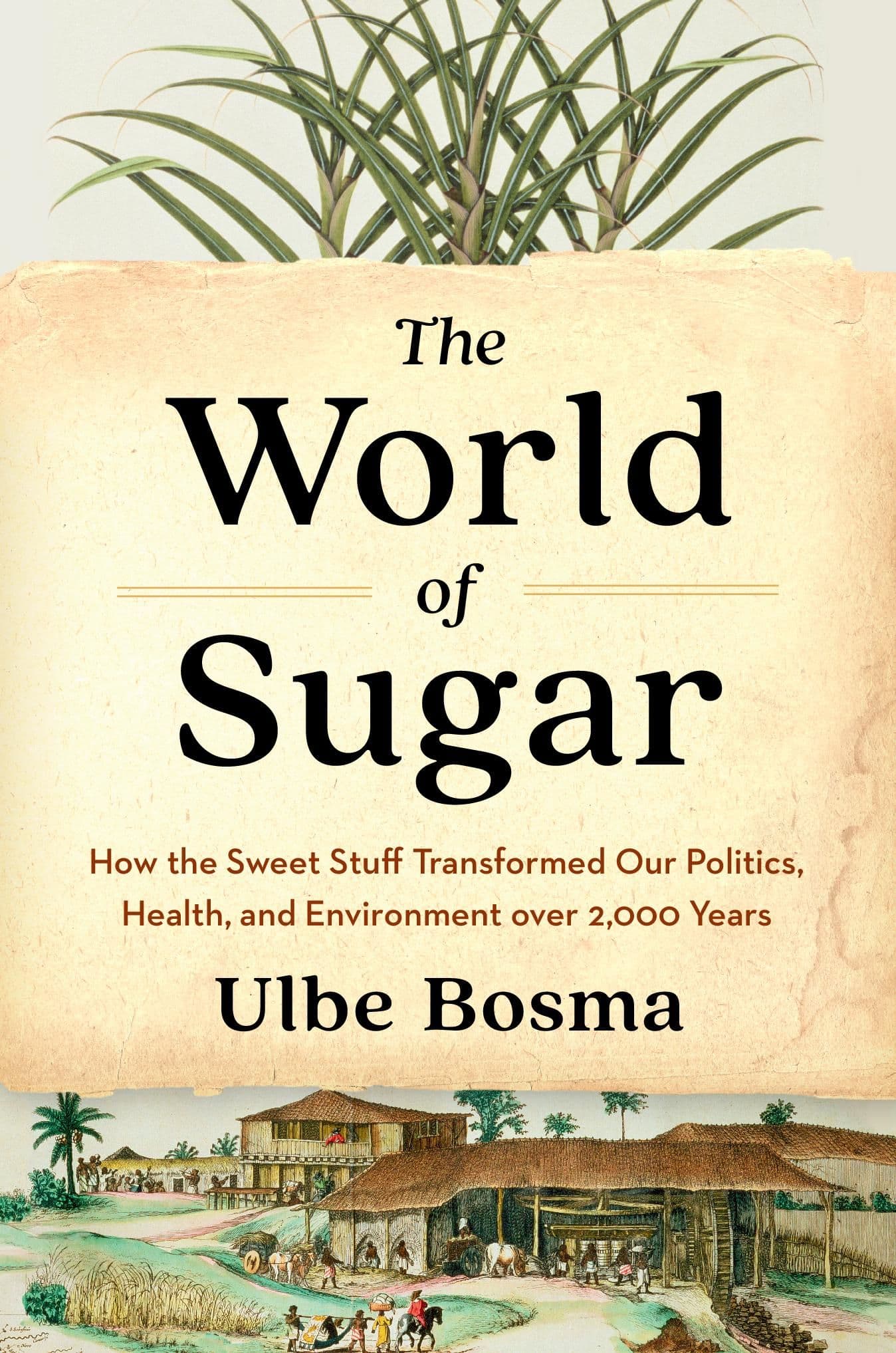
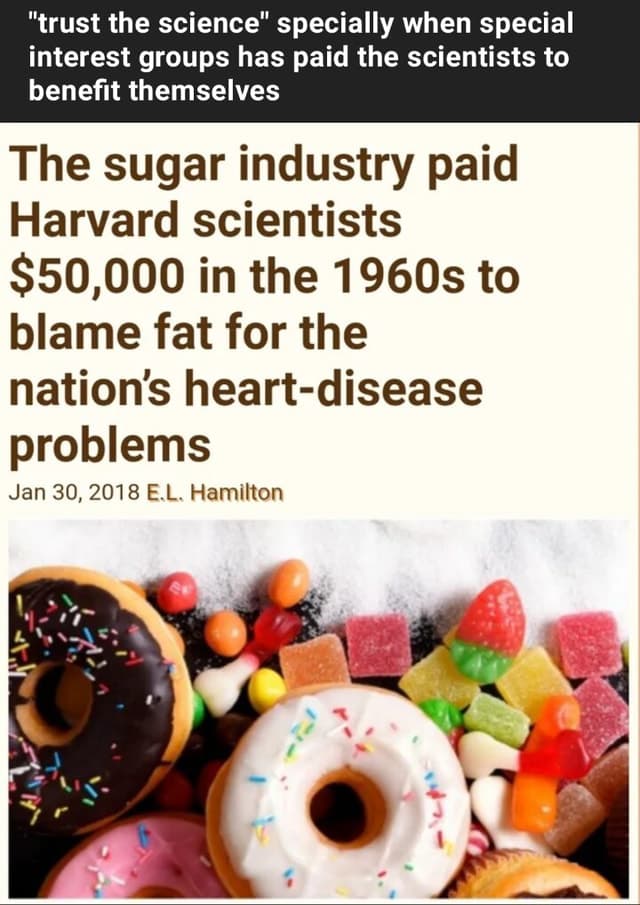
The sugar industry's suppression of research linking sugar to heart disease is a documented case of scientific manipulation with massive public health consequences. In the 1960s, the Sugar Research Foundation funded research at Harvard that minimized the role of sugar in heart disease and shifted blame to dietary fat. The researchers were paid the equivalent of $50,000 in today's dollars, and the resulting paper, published in the New England Journal of Medicine, influenced dietary guidelines for decades. The deception was uncovered through archival research published in JAMA Internal Medicine in 2016.
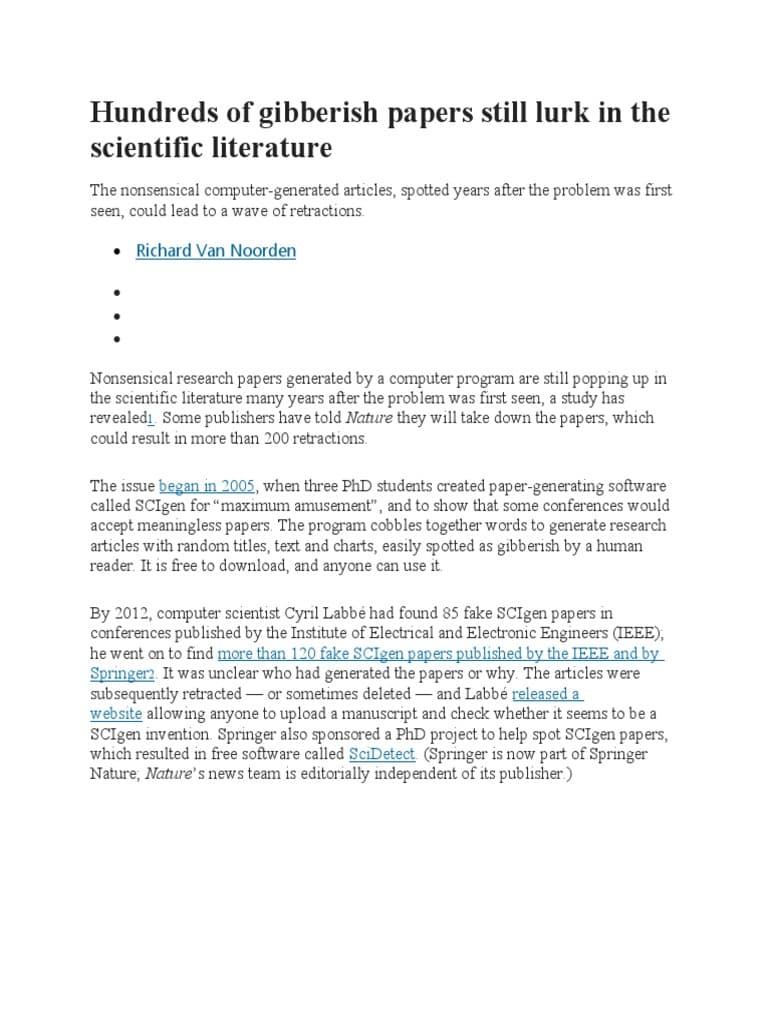
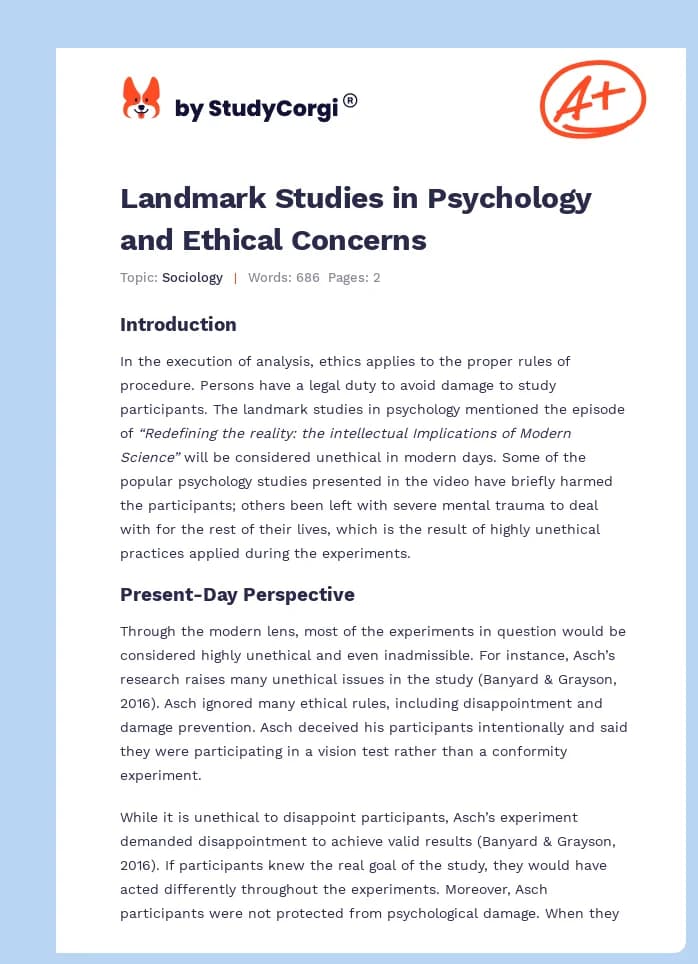
Scientific misconduct at the individual level has been documented across every field. Diederik Stapel fabricated data in over 50 published psychology papers. Yoshitaka Fujii, an anesthesiology researcher, fabricated data in at least 183 papers — the largest case of scientific fraud on record. Hwang Woo-suk fabricated breakthrough stem cell research that made international headlines before being exposed. These cases are significant not just for the fraud itself, but for how long it took the scientific community's self-correcting mechanisms to detect it.
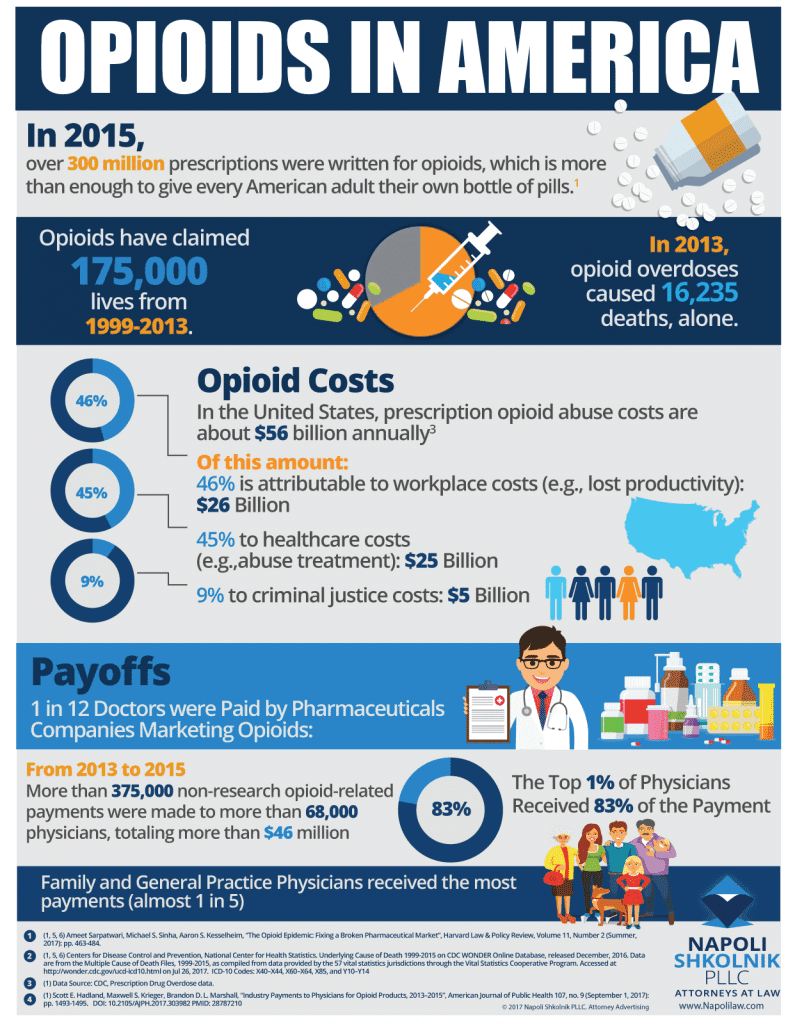
The pharmaceutical industry's influence on clinical research deserves specific attention. Industry-funded trials are significantly more likely to produce results favorable to the sponsor than independently funded research. Ghost-writing of medical journal articles by pharmaceutical companies — where company employees write papers that are then published under the names of academic researchers — has been documented through litigation discovery in multiple major cases.
The claims in this category document cases where the pursuit of truth was subverted by the pursuit of profit, career advancement, or political convenience — and where the evidence eventually proved it.

Dismissed by — Geologists
Dismissed by — ExxonMobil Corporation
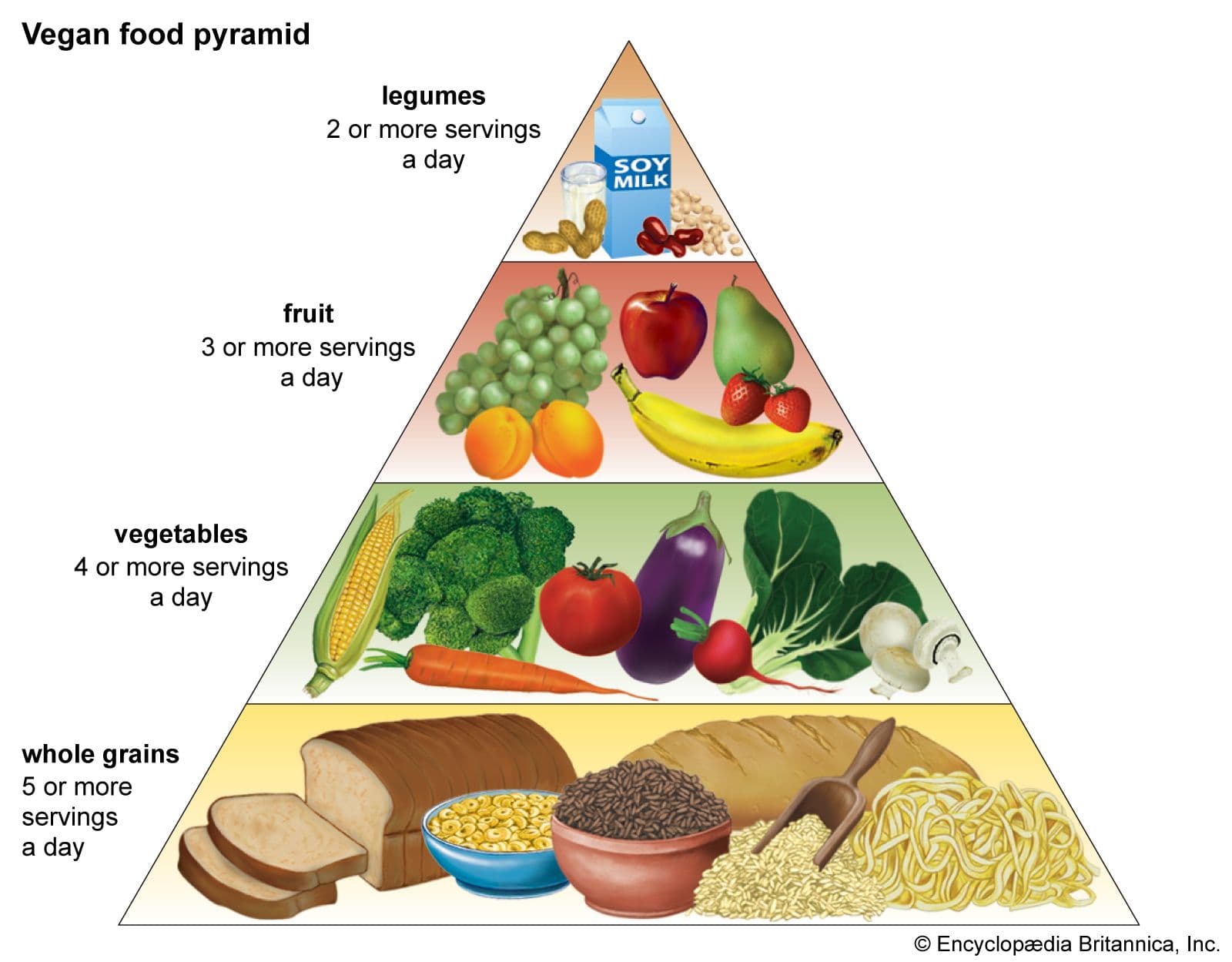
Dismissed by — USDA / National Cattlemen's Beef Association
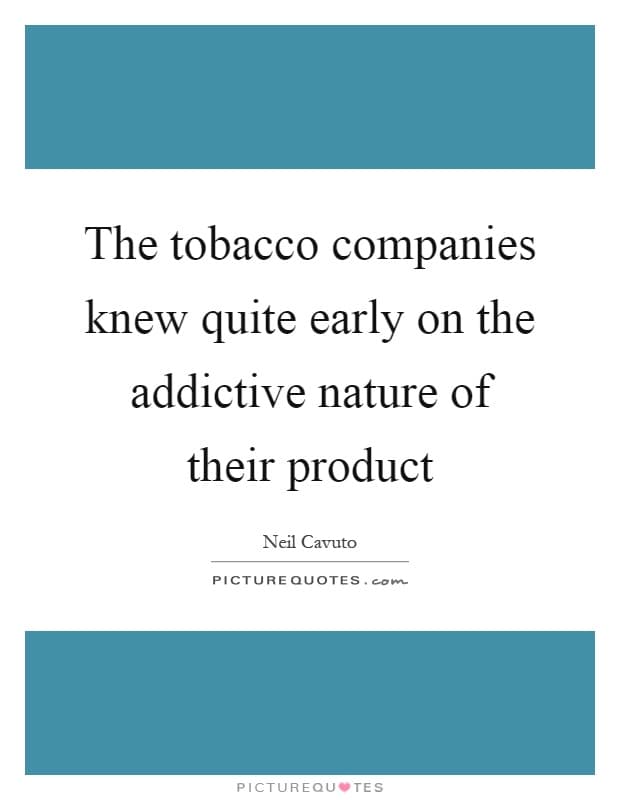
Dismissed by — Tobacco industry executives
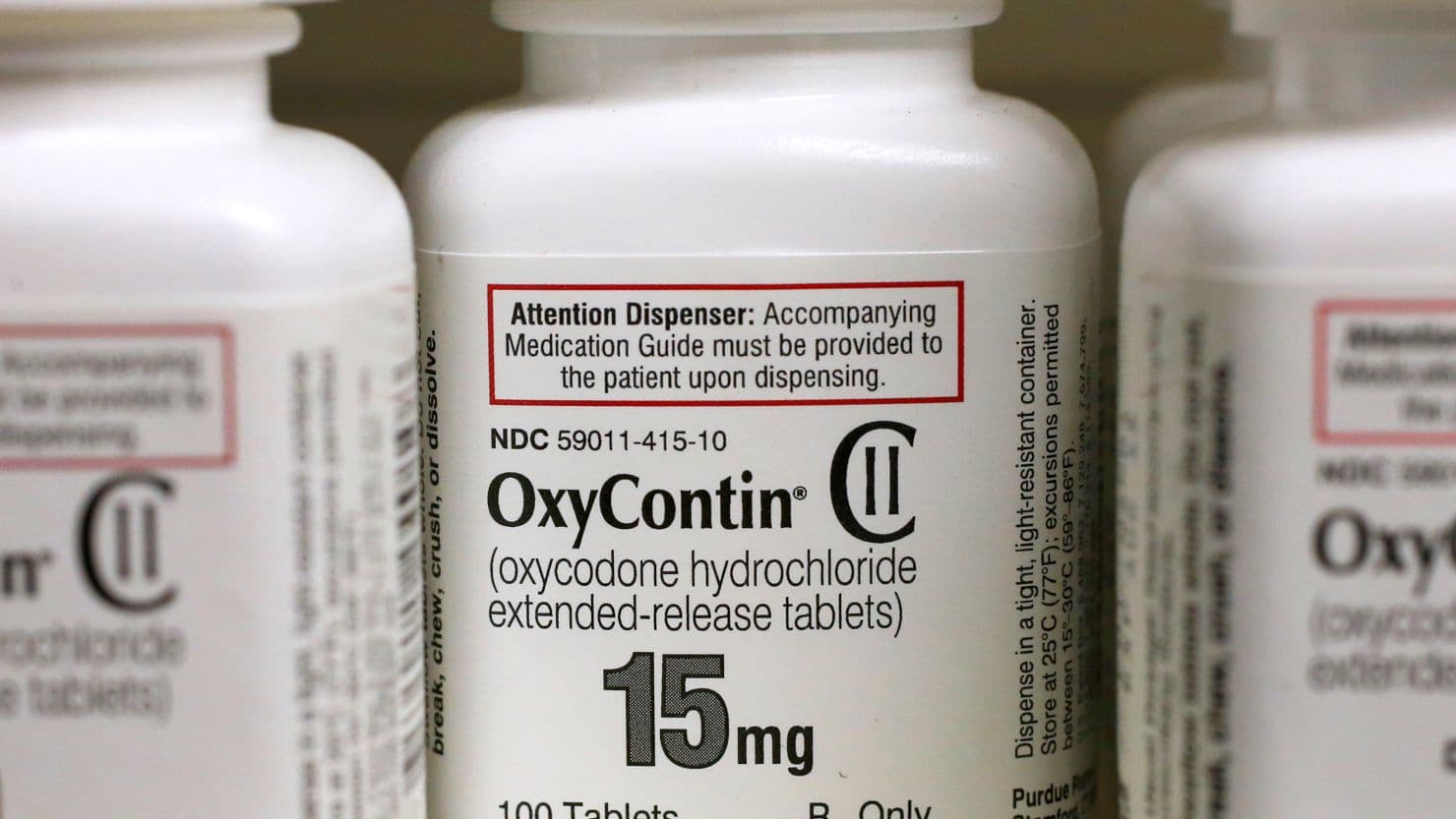
Dismissed by — Purdue Pharma
Dismissed by — Academic Publishing Industry
Dismissed by — American Heart Association

Dismissed by — Sugar Research Foundation

Dismissed by — Royal Dutch Shell
Dismissed by — Opioid manufacturers
Dismissed by — EPA leadership
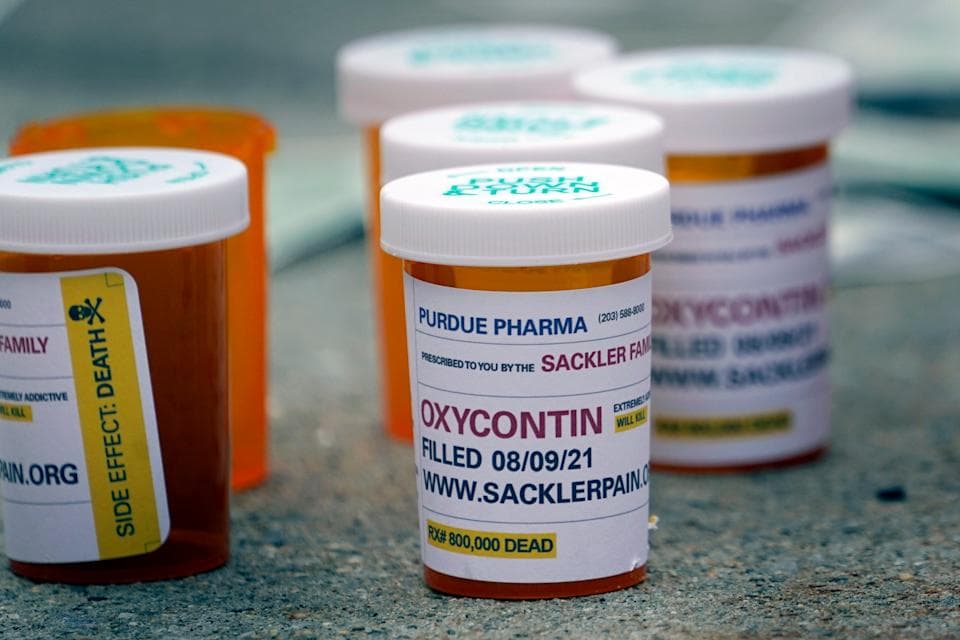
Dismissed by — Purdue Pharma executives

Dismissed by — Israel Antiquities Authority
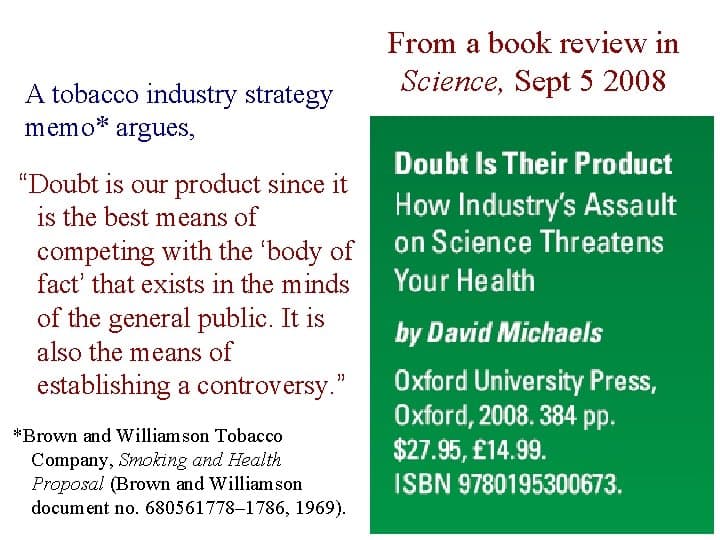
Dismissed by — Tobacco Institute
Dismissed by — American Heart Association

Dismissed by — DuPont Company
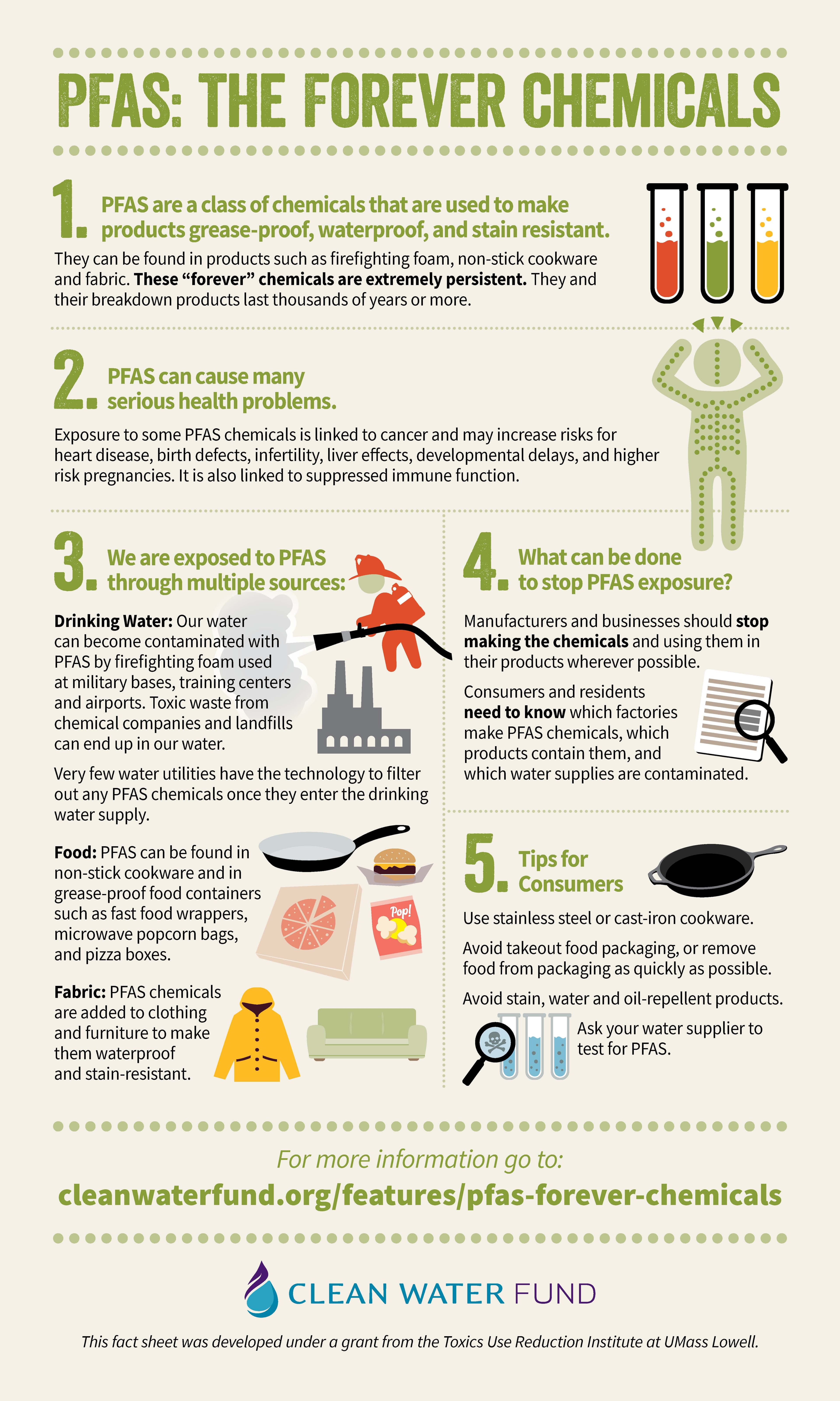
Dismissed by — 3M Company

Dismissed by — CDC officials

Dismissed by — Pharmaceutical industry
Dismissed by — Exxon executives
Dismissed by — Tobacco Industry Research Committee

Dismissed by — General Electric Company
Dismissed by — Pharmaceutical companies
Dismissed by — DuPont Corporation
Dismissed by — Academic Publishing Establishment

Dismissed by — Philip Morris CEO William Campbell
Dismissed by — Monsanto Company
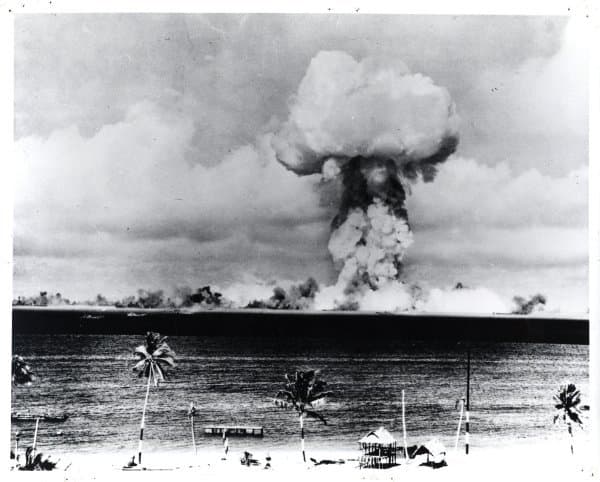
Dismissed by — Atomic Energy Commission

Dismissed by — FDA officials

Dismissed by — Food and Drug Administration

Dismissed by — Chevron Corporation

Dismissed by — Volkswagen AG
Dismissed by — Harvard School of Public Health
Dismissed by — Centers for Disease Control

Dismissed by — NASA Headquarters

Dismissed by — American Physical Society


Dismissed by — NASA (partial explanation)

Dismissed by — Cognitive scientists

Dismissed by — Early modern physicians
Dismissed by — PhRMA

Dismissed by — Bayer Corporation

Dismissed by — NASA Planetary Defense
Dismissed by — Purdue Pharma

Dismissed by — Egyptian Ministry of Antiquities
Dismissed by — Sugar Association

Dismissed by — Mainstream archaeology

Dismissed by — Egyptian Supreme Council of Antiquities

