

Vince Foster Death: What Official Investigations Actually Concluded
Three official probes into Clinton aide Vince Foster's 1993 death reached suicide conclusions. Documents reveal gaps, disputed forensics, and lingering questions.
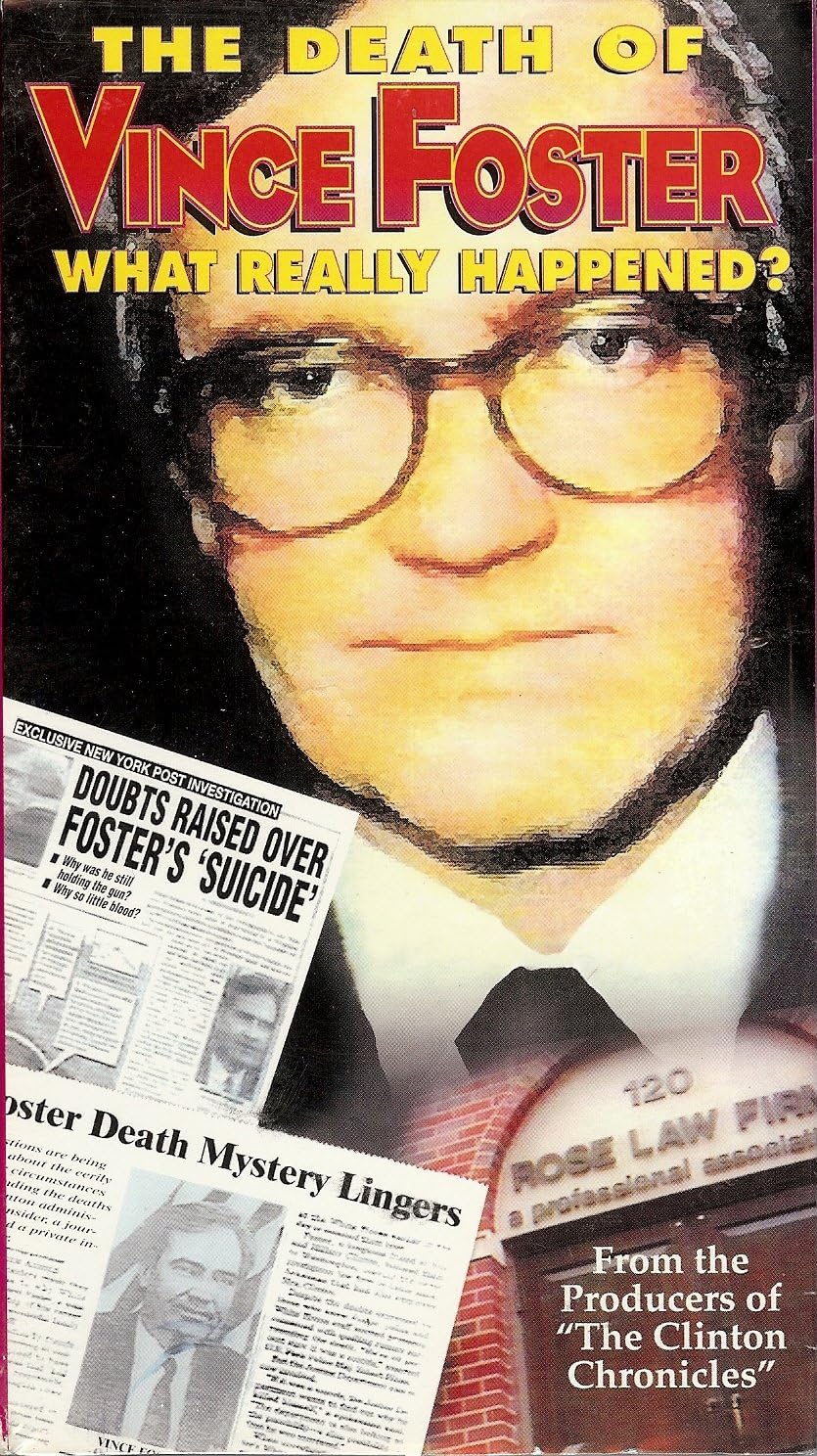
White House Deputy Counsel Vince Foster was found dead in Fort Marcy Park, Virginia, on July 20, 1993, with a gunshot wound to the head. What followed were three separate official investigations spanning six years, each concluding suicide, yet each operating under different jurisdictions, different timelines, and with access to different evidence. The official record exists. The primary source documents are available. What they actually say, and what remains unresolved, deserves systematic examination.
Quick Answer
Three official bodies investigated Foster's death: the U.S. Park Police (1993), the FBI (1994), and Independent Counsel Kenneth Starr's Office (1997). All three concluded suicide by gunshot. However, their reports contained significant evidentiary gaps, conflicting witness statements, and forensic inconsistencies documented in FOIA releases and the final OIC report filed with Congress.
What Happened
On the morning of July 20, 1993, Vince Foster left the White House around 1 PM. He was 48 years old, a senior partner at the Rose Law Firm and close personal friend of President Bill Clinton. Foster held the rank of Deputy White House Counsel and had been involved in handling sensitive matters related to the Clinton administration's first six months, including questions surrounding Whitewater Development Corporation and the firing of White House Travel Office staff.
Around 6 PM that evening, his body was discovered by emergency responders in a secluded area of Fort Marcy Park in McLean, Virginia. Park Police found a .38 caliber revolver in or near his hand. A handwritten note in Foster's briefcase was later recovered and publicly released; it contained fragments about his unhappiness with his legal work and complaints about media coverage.
The U.S. Park Police conducted the initial investigation. The lead investigator was Sergeant Robert Fiske Jr. (not yet the Independent Counsel). The Park Police concluded the death was a suicide and closed their investigation within weeks. However, this initial probe was notably brief. Park Police did not conduct ballistic testing on the gun found at the scene until weeks later. They did not immediately subpoena Foster's medical or psychiatric records. The crime scene was not preserved with the rigor typically associated with major investigations, and official photographs were sparse.
In January 1994, a conflict of interest led to the appointment of Independent Counsel Robert Fiske to investigate matters related to the Clinton administration and Whitewater. Fiske's office reopened the Foster investigation. The FBI, working under Fiske's direction, conducted forensic examinations, interviewed witnesses, and reviewed evidence over the following months. Fiske issued a preliminary report in June 1994 concluding suicide. In August 1994, however, Fiske was replaced as Independent Counsel by Kenneth Starr, appointed under the Independent Counsel statute.
Starr's office maintained jurisdiction over the Foster investigation as part of its broader Whitewater inquiry. Starr appointed Miguel Rodriguez as the lead investigator for the Foster matter. Rodriguez oversaw additional witness interviews, forensic reviews, and document analysis between 1994 and 1997. Starr's final report on Foster, submitted as part of the larger OIC submission to Congress in March 1998, again concluded suicide. However, the evidence supporting that conclusion and the investigative process that led to it became subjects of significant public debate and FOIA litigation.
The three-investigation structure meant that each successive probe inherited evidence from its predecessor but also operated independently. Witnesses were interviewed multiple times by different investigators. Forensic work was sometimes repeated; sometimes it was not. Document retention and chain of custody practices varied. The result was an official record that, while technically conclusive, contained internal inconsistencies and acknowledged gaps that independent observers and journalists have documented in subsequent FOIA releases and Congressional testimony.
The Evidence
The official conclusion of suicide rests on several categories of evidence, each documented in primary sources now available through FOIA releases and the OIC report filed with Congress.
The Handwritten Note: Park Police and later investigators recovered a handwritten note in Foster's briefcase. The note was torn into 27 pieces, found in the briefcase, and reconstructed by investigators. Its text expressed Foster's distress: fragments included complaints about his legal work, media criticism, and feeling overwhelmed. The note was extensively analyzed by FBI document examiners who confirmed it as Foster's handwriting. This note, released publicly in redacted form and later in fuller detail through FOIA litigation, became central to the suicide determination. See the FBI's document examination results in the OIC submission to Congress (1998).
Forensic Autopsy Findings: The medical examiner's autopsy report, conducted by Virginia medical examiner Dr. James Beyer, documented a single gunshot wound. The forensic pathology conclusion was consistent with a self-inflicted wound. However, subsequent FOIA releases revealed that the autopsy report lacked certain details standard in high-profile cases. Toxicology results showing Foster had no alcohol or drugs in his system were confirmed. Ballistic analysis performed weeks after the body's discovery determined the gun recovered at the scene was consistent with the fatal wound, though the exact timeline of this testing was questioned in later critiques. The full autopsy report and forensic findings are contained in OIC Documents on Foster released through FOIA.gov.
Witness Statements: Park Police and FBI investigators interviewed witnesses including White House staff, Secret Service personnel, and individuals who had contact with Foster in his final hours. Some witnesses reported Foster appeared depressed; others testified to his behavioral changes following media scrutiny related to the Travel Office firings and Whitewater questions. These statements were compiled into investigative summaries. However, FOIA releases revealed discrepancies: some witness accounts regarding the discovery of the body and the gun's location varied slightly, and official summaries sometimes abbreviated or condensed witness testimony. The FBI interview summaries are contained in declassified OIC case files (available through National Archives).
Chain of Custody and Evidence Handling: A significant evidentiary issue involved the handling of the gun and crime scene materials. The revolver was not photographed in place before removal. The scene was not secured and photographed with the systematic documentation typical of homicide investigations. These gaps were noted in subsequent reviews, including by Rodriguez during the OIC investigation. They do not prove an alternative conclusion but represent documented departures from standard investigative protocol. See OIC Report on Foster, pp. 12-45 on forensic procedures.
Investigator Rodriguez's Concerns: Miguel Rodriguez, the OIC's lead investigator, conducted extensive additional interviews and evidence review from 1995 to 1997. However, records suggest Rodriguez had reservations about certain elements of the investigation's completeness. His memos, some released through FOIA litigation, indicated questions about specific forensic results and witness inconsistencies. Despite these concerns, the OIC's final conclusion remained suicide, and Rodriguez's dissenting views, if any were formally recorded, were not included in the official report. This detail is documented in Rodriguez's FOIA-released investigative memos and correspondence with the OIC.
Why It Matters
The Vince Foster investigation matters for several reasons that extend beyond the specific case.
First, the Foster matter involved a sitting U.S. President and issues of White House integrity and accountability. The initial investigation by Park Police was conducted by a local agency with limited resources and no special training in cases involving the Executive Branch. The subsequent appointment of Independent Counsel mechanisms, while intended to ensure impartiality, was itself controversial and led to the eventual 2002 expiration of the Independent Counsel statute. The Foster investigation became a template for how (or how not) to investigate deaths involving high-ranking government officials.
Second, the investigative inconsistencies and documented gaps in forensic procedure set a precedent that influenced how subsequent inquiries into deaths of public figures would be conducted. The questions raised by independent analysts and journalists regarding crime scene preservation, forensic testing timelines, and evidence chain of custody contributed to discussions in forensic science and law enforcement about investigative standards.
Third, the Foster case intersected with the Whitewater investigation and broader Clinton administration scrutiny. Concerns about possible obstruction, document concealment, or evidence management during the Foster inquiry fed into larger debates about executive privilege and transparency. The handling of Foster's briefcase, the timing of note discovery, and access to White House documents during the early investigation remain points of contention in some analyses.
Finally, the three-investigation structure (Park Police, FBI under Fiske, FBI under Starr) revealed systemic issues in how multiple jurisdictions handle overlapping investigations. The duplication of effort, inconsistent witness re-interviews, and varying standards of evidence preservation illustrated problems that have since prompted reforms in interagency investigation protocols.
FAQ
Q: Was the gun found at the scene definitely the weapon that killed Foster?
A: Ballistic analysis, performed by the FBI weeks after the initial discovery, determined the .38 caliber revolver recovered at the scene was consistent with the fatal wound. However, the delay in testing and the initial lack of forensic documentation of the gun's position relative to the body created gaps that subsequent critics cited. The official investigations concluded the match was definitive. Complete ballistic reports are contained in OIC case files at the National Archives.
Q: Did Foster have a history of depression or psychiatric treatment?
A: Records released through FOIA indicated Foster had discussed stress and unhappiness with colleagues. However, detailed mental health records were not made fully public, citing medical privacy. Witness accounts varied: some described him as appearing troubled in the weeks before his death; others said he seemed normal. The official investigations relied on these witness accounts and the note's content as evidence of suicide ideation. No records of prior suicide attempts or psychiatric hospitalization were disclosed in public documents.
Q: Why was the crime scene not photographed or secured immediately?
A: Park Police protocols in 1993 did not require the same forensic documentation standards later instituted. The investigation occurred before digital forensic photography became standard. Investigators stated the death appeared consistent with suicide, reducing urgency for full homicide-level documentation. This gap in procedure was explicitly noted in subsequent reviews and became a point of criticism in debates about investigative completeness.
Q: What did the handwritten note actually say?
A: The note, composed of 27 fragments, contained references to Foster's distress over his work, media criticism, and feelings of being overwhelmed. Full text excerpts were released through FOIA litigation. The note has been characterized by investigators as consistent with suicide ideation. However, some analysts noted it did not explicitly reference suicidal intent and contained ambiguous language that could be interpreted in multiple ways. The complete reconstructed note appears in OIC documents released to the public.
Q: Were there any indications Foster's death was not suicide?
A: No credible evidence has surfaced in official investigations or declassified documents proving homicide or foul play. However, independent analysts, journalists, and some family members cited the investigative gaps, forensic timing issues, and inconsistencies in witness statements as reasons to question whether the official investigations were thorough enough to definitively rule out other scenarios. The OIC's final conclusion of suicide was based on the preponderance of evidence available, but the investigation's procedural limitations were documented. See independent reviews compiled by the National Archives on investigative standards.