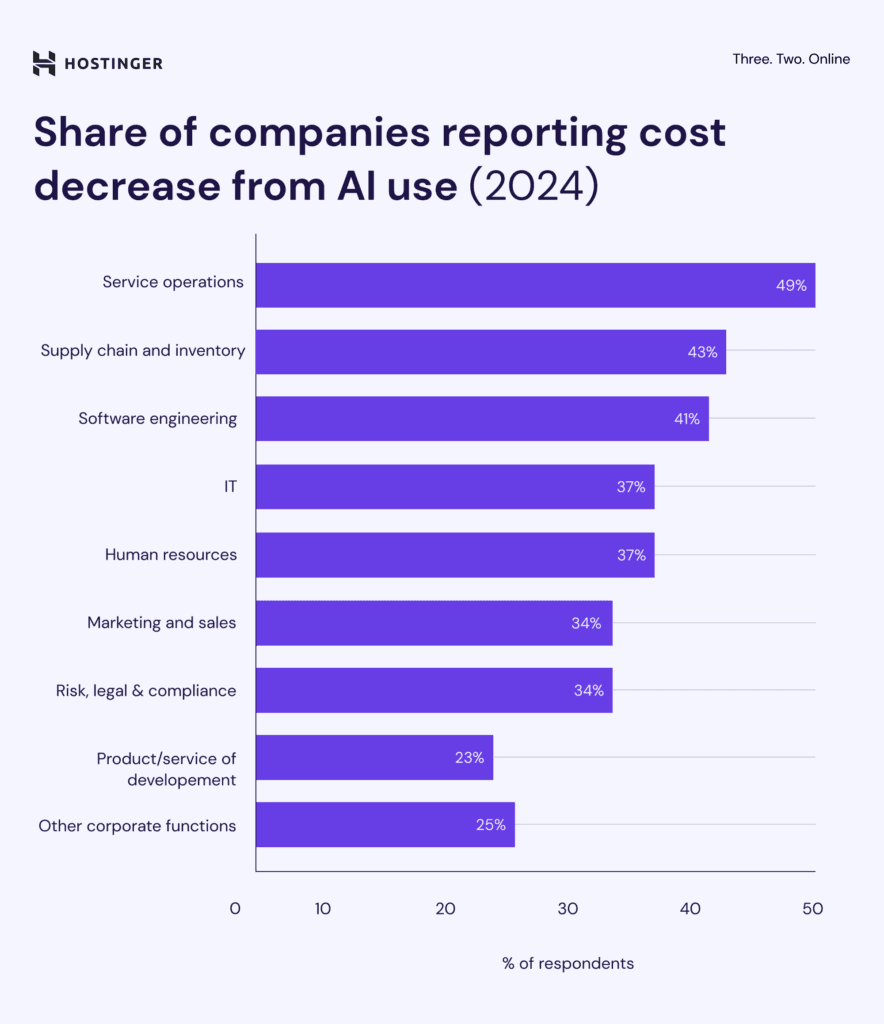
A 2024 survey found 41% of companies using AI had already reduced their workforce. IBM paused hiring for 7,800 roles that could be replaced by AI. BT announced 55,000 job cuts with AI replacing 10,000 directly. Goldman Sachs estimates 300 million jobs will be affected globally. Yet tech CEOs consistently tell the public that AI will 'create more jobs than it eliminates' and will 'augment' workers rather than replace them. Internal documents from major companies show AI displacement targets that contradict public messaging.
“They're telling Congress AI creates jobs while their internal memos set headcount reduction targets. 41% of companies are already cutting.”
From “crazy” to confirmed
The Claim Is Made
This is the moment they called it crazy.
When IBM announced in May 2023 that it would pause hiring for 7,800 roles, the company's leadership offered a straightforward explanation: artificial intelligence could handle those jobs more efficiently. The statement was notable mostly for its honesty. Most other tech executives were saying something entirely different to the public.
For years, Silicon Valley has operated from a consistent playbook. When asked whether AI will displace workers, CEOs repeat the same reassuring line: AI will augment human workers, not replace them. It will create more jobs than it eliminates. This messaging has been relentless and nearly universal across the industry's leadership.
Yet something curious happened in 2024. A survey of companies actively using AI found that 41% had already reduced their workforce. That's not a prediction about the future. That's documented action taken in the present. The gap between what executives say in public and what's happening in private boardrooms appears substantial.
The evidence extends beyond percentages. When British Telecom announced 55,000 job cuts in early 2024, company leadership specifically identified AI as the driver for approximately 10,000 of those positions. Goldman Sachs, hardly a radical outfit, published research estimating that artificial intelligence could impact 300 million jobs globally. These weren't fringe analyses. They came from mainstream institutions.
What makes this partially verified rather than fully confirmed is that the narrative contains layers. The 41% figure represents companies that have already made cuts, but the causality isn't always explicit in every case. Some reductions may be part of broader economic adjustments. Goldman Sachs' 300 million figure represents jobs "affected," not necessarily eliminated outright. The distinction matters when assessing claims.
Get the 5 biggest receipts every week, straight to your inbox — plus an exclusive PDF: The Top 10 Conspiracy Theories Proven True in 2025-2026. No spam. No agenda. Just the papers they couldn't hide.
You just read "41% of companies using AI report cutting jobs — while execut…". We send ones like this every week.
No one's said anything yet. Be the first to drop your take.
But here's where the pattern becomes relevant. Internal documents from major technology companies show specific AI displacement targets that directly contradict the public messaging from their executives. When a CEO tells investors and the media that AI will augment workers while company documents set reduction targets powered by AI implementation, the inconsistency becomes impossible to ignore.
This isn't complicated. Companies use technology to reduce labor costs. That's not news—it's business. What matters here is the deliberate separation between public relations and operational reality. The claim being tracked isn't that AI eliminates jobs. It's that executives publicly deny or minimize this while their companies actively execute job reduction strategies powered by AI.
The implications for public trust are significant. If citizens are making career and educational decisions based on executive assurances that AI will complement rather than replace their work, they're operating with incomplete information. Policy makers writing regulations based on industry testimony about AI's benign effects are doing the same.
This doesn't mean all job displacement concerns are equally valid or that every company claiming AI augmentation is lying. But it does mean the official narrative deserves scrutiny. When four in ten companies using AI report cutting jobs while their executives maintain that replacement isn't happening, someone isn't being truthful.
The question isn't whether this gap exists. The evidence confirms it does. The question is whether the public and their representatives notice before decisions affecting millions of workers have already been made.