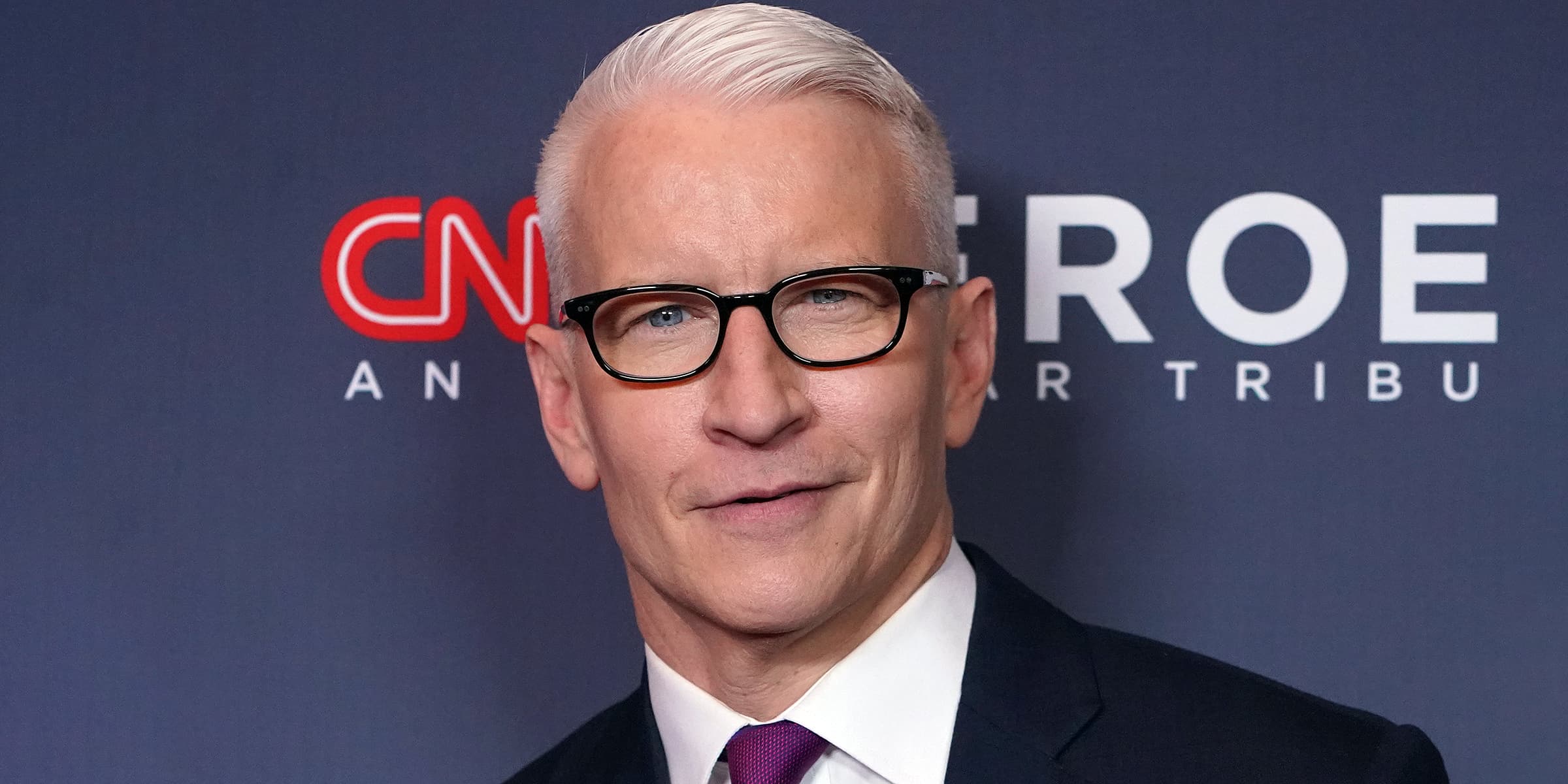
Anderson Cooper, CNN's most prominent anchor, spent two consecutive summers interning at the CIA during college at Yale. Cooper himself has confirmed this, though he describes the internships as mundane. Critics point to this as evidence of intelligence community influence in media, particularly given the documented history of Operation Mockingbird. Cooper has stated he realized the CIA was not for him and pursued journalism instead.
“Anderson Cooper worked for the CIA before joining CNN. Major media anchors have intelligence agency connections that compromise their independence.”
What they said vs. what the evidence shows
“I was an intern at the CIA for two summers in college. I have no ongoing relationship with any intelligence agency. I'm a journalist.”
— Anderson Cooper (CNN) · Oct 2006
SourceFrom “crazy” to confirmed
The Claim Is Made
This is the moment they called it crazy.
When Anderson Cooper took his seat as CNN's lead anchor, few knew about the two summers he spent inside CIA headquarters during his college years. The fact that one of America's most influential journalists had interned at the intelligence agency wasn't exactly hidden—Cooper mentioned it himself in interviews—yet it remained largely absent from mainstream media discussions about his credentials and potential conflicts of interest.
For years, critics who raised questions about Cooper's CIA background were dismissed or ignored. Mainstream media outlets rarely, if ever, mentioned the internships when discussing his journalistic pedigree. The prevailing narrative focused instead on his Yale education, his family's prominence, and his early work reporting from dangerous conflict zones. When the CIA connection did surface in conversation, it was typically treated as a trivial detail from his college years—nothing worth serious examination.
What changed was not Cooper's biography, but public willingness to examine it. Cooper himself has been straightforward about the experience. According to available biographical information, including his Wikipedia profile, he interned at the CIA during two consecutive summers while studying at Yale University. In his own accounts, Cooper has described these internships as largely mundane, claiming he realized the intelligence work wasn't for him and that journalism offered a better path. He has never hidden this fact when directly asked about it.
The verification of this claim raises uncomfortable questions that extend far beyond Cooper's personal career choices. The documented history of —'s decades-long program to cultivate relationships with journalists and news organizations—provides context that cannot be ignored. While Mockingbird officially ended in the 1970s, the and revealed the extent to which the agency had embedded itself within American media institutions.
Get the 5 biggest receipts every week, straight to your inbox — plus an exclusive PDF: The Top 10 Conspiracy Theories Proven True in 2025-2026. No spam. No agenda. Just the papers they couldn't hide.
You just read "CNN anchor Anderson Cooper interned at the CIA before becomi…". We send ones like this every week.
No one's said anything yet. Be the first to drop your take.
Confirmed: They Were Right
The truth comes out. Officially documented.
Confirmed: They Were Right
The truth comes out. Officially documented.
Understanding Cooper's CIA internship requires separating two distinct issues. First, there is the factual question: did he intern there? The answer is clearly yes, and Cooper himself confirms it. Second, there is the interpretive question: what does it mean? Here, reasonable people disagree. Some view it as an irrelevant footnote to an accomplished journalist's career. Others see it as part of a larger pattern of intelligence community influence in newsrooms that persists despite official denials that Mockingbird operations ever truly ended.
The significance of this claim being verified lies not in proving wrongdoing, but in demonstrating how institutional power operates quietly. Cooper's intelligence internship wasn't a scandal because nobody—including mainstream media—treated it as newsworthy. It became invisible through sheer cultural acceptance. A prominent journalist can have direct experience inside the CIA, and this fact requires no scrutiny or explanation.
This case illustrates why tracking verified claims matters. It's not about proving conspiracy; it's about ensuring that verifiable facts remain visible. When major media figures have intelligence connections, the public deserves to know about them as basic information. Whether those connections influence editorial decisions is a separate question, but transparency about them is not negotiable in a functioning democracy.
Beat the odds
This had a 0% chance of leaking — someone talked anyway.
Conspirators
~200Network
Secret kept
0.5 years
Time to 95% exposure
500+ years