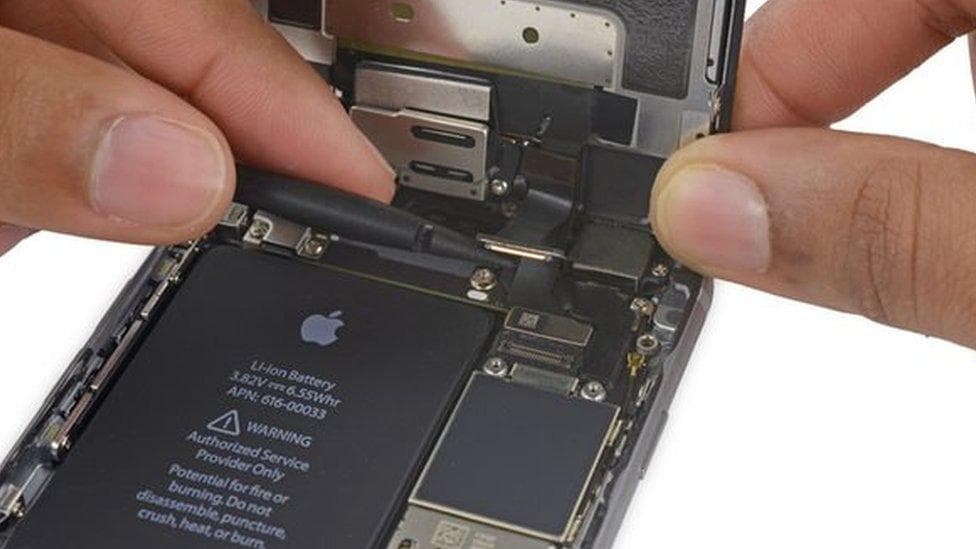
Apple admitted to intentionally throttling iPhone performance when batteries aged, without informing users. Geekbench tests and user complaints revealed the practice led to class action lawsuits.
“We have never and would never do anything to intentionally shorten the life of any Apple product”
From “crazy” to confirmed
The Claim Is Made
This is the moment they called it crazy.
Your iPhone was deliberately running slower, and Apple didn't tell you about it. For years, the company denied responsibility while millions of users complained their phones had mysteriously become sluggish. Then Apple itself confirmed what critics had been saying all along.
The story began in late 2016 when iPhone 6 and iPhone 6s owners started noticing their devices performing worse than before. Users reported unexpected shutdowns, lag during basic tasks, and general deterioration in speed. Many assumed their phones were simply aging poorly or suffering from planned obsolescence—that intentional design flaw that makes older products fail to push consumers toward new purchases.
Apple's official response was dismissive. The company attributed the issues to software updates, normal wear and tear, and user expectations. Technical support suggested that older iPhones were just older and should be expected to slow down. There was no mention of any performance throttling. This explanation satisfied some customers but left others skeptical. Why would certain devices shut down completely while others merely slowed down? The pattern seemed deliberate.
In December 2017, independent testing by Geekbench revealed the truth. The popular benchmarking software showed that iPhone 6, 6s, and 7 models ran at significantly reduced speeds—sometimes up to 40 percent slower than normal. The throttling correlated directly with battery age. When users replaced their batteries with new ones, performance returned to normal levels. This wasn't degradation. This was intentional software limitation.
Apple finally issued a statement on December 28, 2017, titled "A Message to Our Customers about iPhone Batteries and Performance." The company admitted that it had implemented performance management features to prevent unexpected device shutdowns caused by aging batteries. However, Apple conceded it had failed to adequately communicate this practice to users beforehand.
The company claimed the feature was a safety measure. As lithium-ion batteries age, they lose capacity and can deliver less power during peak performance demands, potentially causing sudden shutdowns. Rather than let users experience unexpected power-offs, Apple reduced processor speed on devices with degraded batteries. From an engineering standpoint, the logic was sound.
But the execution revealed a troubling gap between corporate intention and customer transparency. Apple had implemented this throttling without explicitly telling users why their phones were slowing down. Users couldn't easily check whether their device was being throttled. They couldn't choose to accept the shutdown risk in exchange for full performance. The decision was made for them, silently.
The revelation triggered multiple class action lawsuits. Apple eventually agreed to settle for $113 million and offered reduced-price battery replacements—$29 instead of the standard $79—to affected customers. The company also promised to provide clearer information about battery health in future iOS updates.
This case represents a critical moment in the technology industry. Consumers discovered that a company they trusted had implemented a significant, performance-altering feature without their knowledge or consent. Whether one views the throttling as necessary protection or deceptive practice, the fundamental issue remains: informed consent matters. Companies that hide material information from users, regardless of their reasoning, erode the trust essential to the consumer-technology relationship. Apple's eventual admission and settlement acknowledged this principle, even as debates about the company's original intentions continue.
Get the 5 biggest receipts every week, straight to your inbox — plus an exclusive PDF: The Top 10 Conspiracy Theories Proven True in 2025-2026. No spam. No agenda. Just the papers they couldn't hide.
You just read "Apple Secretly Slowed Down iPhones with Older Batteries". We send ones like this every week.
No one's said anything yet. Be the first to drop your take.