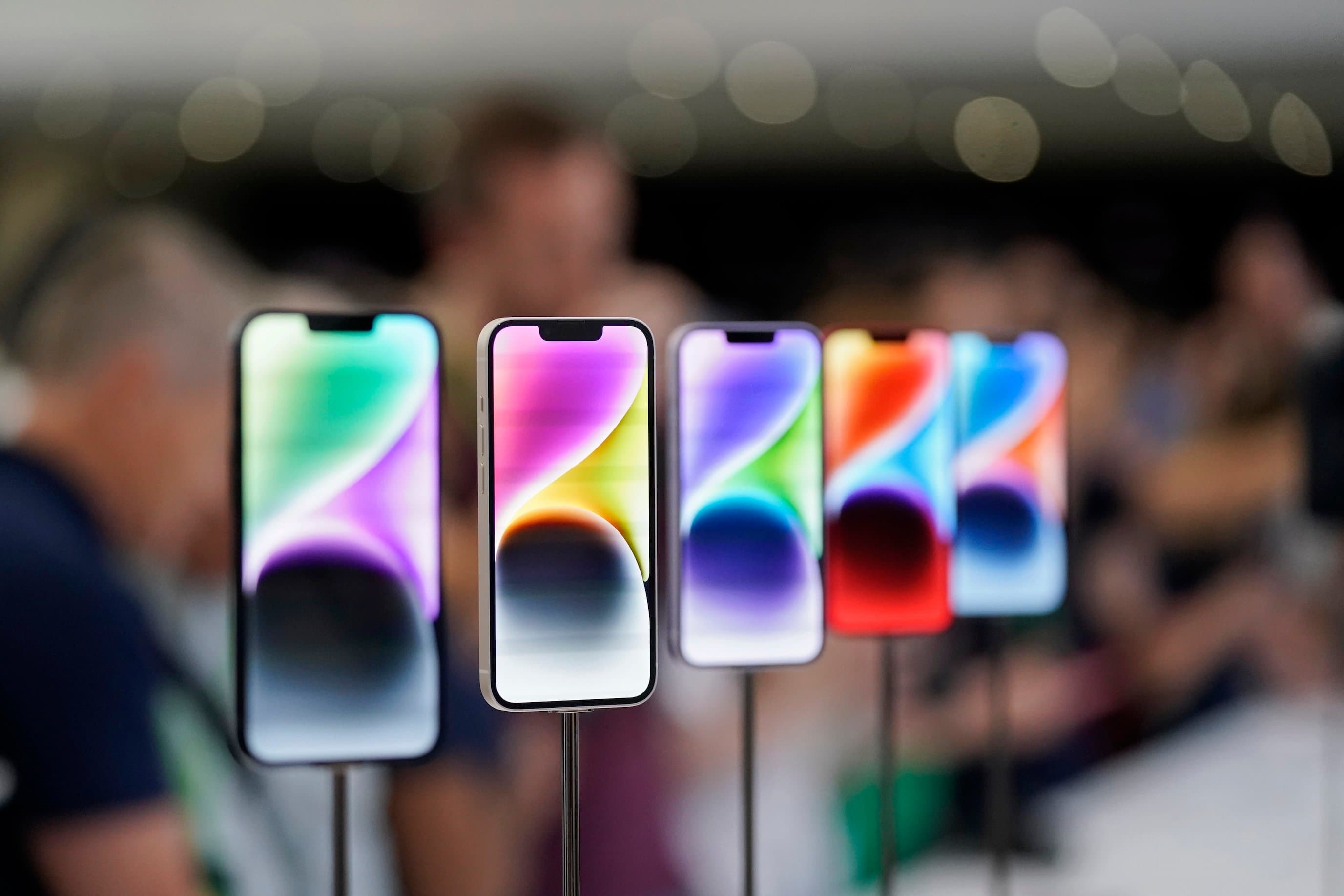
Apple deliberately slowed older iPhones through iOS updates without informing users. Company claimed it was for device longevity but internal documents showed battery management concerns.
“We have never and would never do anything to intentionally shorten the life of any Apple product or degrade the user experience.”
From “crazy” to confirmed
The Claim Is Made
This is the moment they called it crazy.
When your iPhone starts moving in slow motion, you assume it's time for an upgrade. That assumption made Apple billions in revenue—until it didn't.
In late 2016, iPhone 6 and 6S users noticed their devices becoming noticeably sluggish after updating to iOS 10.2.1. Battery drain accelerated. Processing speeds plummeted. Apple remained silent on why. Users speculated about planned obsolescence, the deliberate degradation of products to drive new purchases. Apple denied it categorically. The company insisted that performance variations were normal and unrelated to any intentional throttling.
The official story held for over a year. Then in December 2017, a developer named John Poole published benchmark data showing undeniable proof: Apple was systematically reducing CPU performance on older iPhones. The data was granular and reproducible. When he replaced the battery on a throttled iPhone 6S with a new one, performance immediately returned to normal. Apple had programmed iOS to detect degraded batteries and automatically limit processor speed.
Apple's response was remarkably casual given what had been revealed. The company admitted the practice existed but reframed it entirely. In a statement, Apple claimed the throttling was necessary to prevent unexpected shutdowns on devices with aging batteries. As batteries degrade over time, they become less capable of delivering peak power, sometimes causing phones to suddenly power off. Rather than let users experience random crashes, Apple said, it chose to proactively slow down the phone. The decision was made in the user's interest, not Apple's.
This explanation might have landed differently if Apple had actually told anyone. The feature was never disclosed in iOS release notes. It wasn't mentioned in settings menus. Users had no way to know their phones were being deliberately slowed, much less why, or how to disable it. This transparency gap is crucial.
Internal documents obtained in subsequent investigations showed the company understood the PR risk. Engineers had debated the approach and discussed potential customer perception issues. Yet Apple proceeded without warning users or offering solutions—like battery replacement programs or settings to disable throttling.
The revelation spiraled into what became known as "Batterygate." Users filed lawsuits. Regulators launched investigations. Apple faced penalties in multiple countries. The company ultimately apologized and began offering discounted battery replacements. More importantly, iOS subsequently provided users with visibility into battery health and the ability to disable performance throttling if they chose.
But the damage to trust proved harder to reverse. Here was one of the world's most valuable companies, beloved for sleek design and user-friendly simplicity, secretly modifying how their products functioned without disclosure. Apple's initial denial compounded the problem. If the company had been transparent from the start—acknowledging the battery issue, explaining the throttling solution, and letting users decide—the narrative would have been entirely different.
The real significance of Batterygate isn't the throttling itself. It's the reminder that consumer electronics exist in a relationship of profound asymmetry. Manufacturers have complete visibility into their products' behavior and motivations. Users have only what companies choose to reveal. Apple's decision to manage that information gap rather than bridge it revealed a troubling priority: protecting business interests over user autonomy.
That gap between what companies know and what customers are told remains the fertile ground where legitimate concerns about technology grow into conspiracy theories.
Get the 5 biggest receipts every week, straight to your inbox — plus an exclusive PDF: The Top 10 Conspiracy Theories Proven True in 2025-2026. No spam. No agenda. Just the papers they couldn't hide.
You just read "Apple Secretly Throttled iPhone Performance to Hide Battery …". We send ones like this every week.
No one's said anything yet. Be the first to drop your take.