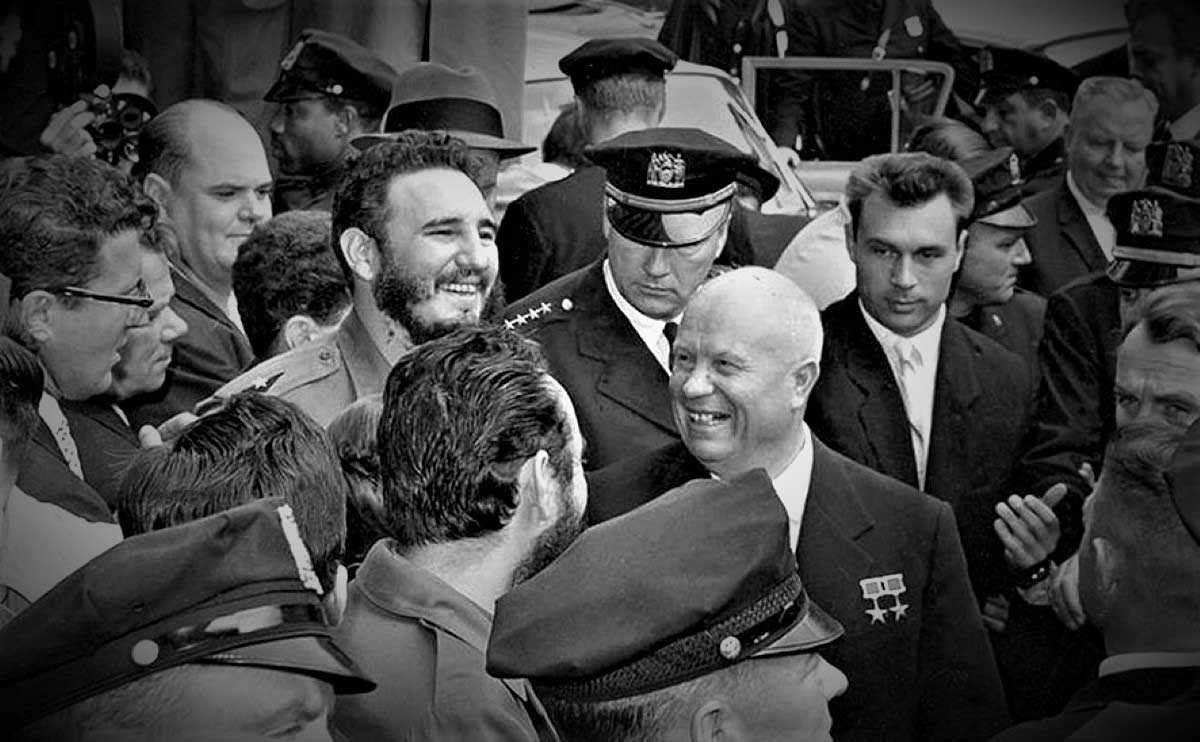
The 1975 Church Committee revealed the CIA had plotted to kill Fidel Castro (using exploding seashells, toxic cigars, poisoned wetsuits, and Mafia collaboration), Patrice Lumumba in Congo, Rafael Trujillo in the Dominican Republic, Ngo Dinh Diem in Vietnam, and General Rene Schneider in Chile. The revelations led to Executive Order 11905 banning political assassinations.
“We have found concrete evidence of at least eight plots involving the CIA to assassinate Fidel Castro.”
From “crazy” to confirmed
The Claim Is Made
This is the moment they called it crazy.
When the Church Committee began its investigation into American intelligence activities in 1975, few expected it would uncover plans so bizarre they seemed lifted from a spy fiction novel. Yet buried in thousands of declassified documents was evidence that the CIA had orchestrated assassination plots against at least five foreign leaders, employing methods ranging from exploding cigars to poisoned wetsuits to arrangements with organized crime figures.
The most infamous target was Fidel Castro. Between 1960 and 1965, the agency concocted at least eight separate schemes to kill the Cuban leader. One involved a poisoned cigar potent enough to kill Castro within hours of smoking it. Another scheme called for dusting his favorite shoes with a fungus that would cause a debilitating infection. A third, perhaps the most absurd, involved an exploding seashell designed to detonate when Castro picked it up while snorkeling. Perhaps most troubling was the CIA's willingness to collaborate with the American Mafia, enlisting organized crime figures like Sam Giancana to handle the actual killing.
But the assassination plots extended far beyond Castro's Cuba. The Church Committee documented CIA involvement in the deaths of Congo's Patrice Lumumba, Dominican Republic strongman Rafael Trujillo, South Vietnamese leader Ngo Dinh Diem, and Chilean General René Schneider. In some cases, the CIA provided weapons or direct operational support. In others, the agency worked through proxies and intermediaries, maintaining a veneer of plausible deniability.
Get the 5 biggest receipts every week, straight to your inbox — plus an exclusive PDF: The Top 10 Conspiracy Theories Proven True in 2025-2026. No spam. No agenda. Just the papers they couldn't hide.
You just read "The CIA attempted to assassinate at least 5 foreign leaders …". We send ones like this every week.
No one's said anything yet. Be the first to drop your take.
Confirmed: They Were Right
The truth comes out. Officially documented.
Confirmed: They Were Right
The truth comes out. Officially documented.
For decades, these activities existed in a gray zone between rumor and fact. The CIA neither confirmed nor fully denied the allegations, maintaining that such operations were necessary Cold War countermeasures. Officials argued that removing hostile foreign leaders served legitimate national security interests. Some dismissed the more elaborate schemes as theoretical brainstorming that never actually left the drawing board.
The turning point came with the Church Committee itself. Led by Senator Frank Church of Idaho, this special Senate committee was tasked with investigating potential abuses by the FBI, CIA, and NSA. What they uncovered in the declassified documents was damning. The committee's 1975 interim report, titled "Alleged Assassination Plots Involving Foreign Leaders," provided documentary evidence that these plots were not hypothetical exercises but actual operational plans pursued by the intelligence agency.
The revelations shocked the American public and sparked a constitutional crisis of sorts. How could the United States government, ostensibly bound by law and democratic values, authorize the murder of foreign leaders? The backlash was immediate and consequential. President Gerald Ford responded by issuing Executive Order 11905, which explicitly banned political assassinations by American intelligence agencies.
What's striking about this claim-turned-verified-fact is that it required an institution—Congress—to investigate itself and its own agencies with actual teeth. The Church Committee had subpoena power and access to classified records. Without that authority, the full scope of these operations might still be unknown.
Today, nearly 50 years later, this history matters profoundly. It reminds us that government overreach, especially in classified intelligence operations, requires constant scrutiny. The public trust in institutions depends on transparency and accountability. When Americans learned what their government had secretly authorized, they demanded change. That demand produced results. Whether those safeguards have held is another question entirely, but at least in 1975, the system worked.
Beat the odds
This had a 0% chance of leaking — someone talked anyway.
Conspirators
~200Network
Secret kept
0.5 years
Time to 95% exposure
500+ years