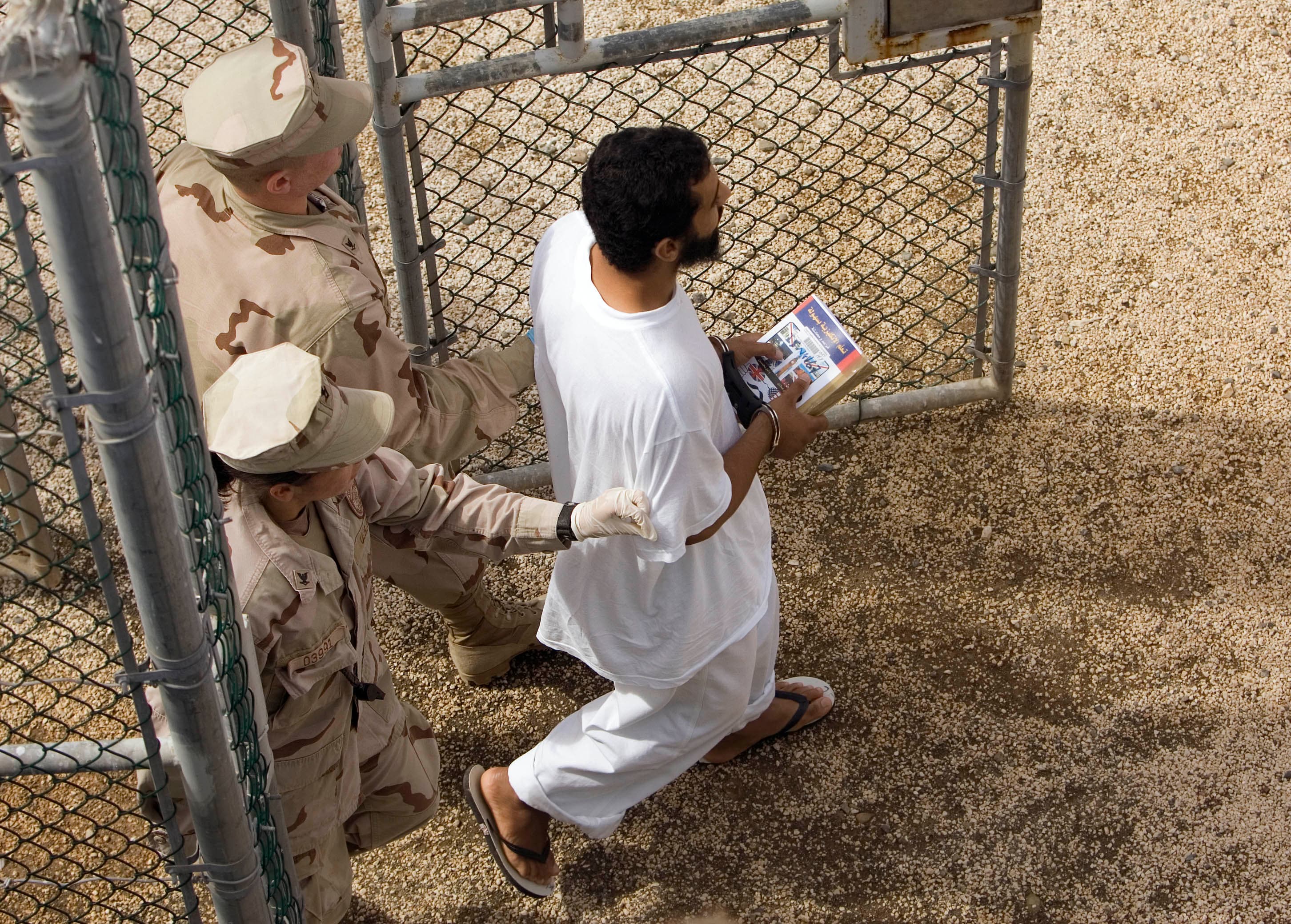
The 1963 KUBARK manual detailed psychological torture methods later used at Guantanamo and Abu Ghraib, contradicting public denials of torture research.
“The CIA does not engage in torture or research torture techniques”
From “crazy” to confirmed
The Claim Is Made
This is the moment they called it crazy.
For decades, the United States government insisted it did not systematically study torture methods. When photographs from Abu Ghraib emerged in 2004 and reports surfaced about interrogations at Guantanamo Bay, officials denied any institutional knowledge or planning behind such practices. Yet buried in declassified archives sat a 1963 document that told a different story entirely.
The KUBARK Counterintelligence Interrogation manual was created by the Central Intelligence Agency as a comprehensive guide to extracting information from detainees. Named after the CIA's cryptonym for itself, KUBARK detailed interrogation techniques that went far beyond conventional questioning. The manual explicitly addressed psychological manipulation, sensory deprivation, and coercive methods designed to break down a subject's resistance. It was, in essence, a blueprint for torture.
When revelations about post-9/11 interrogation practices began surfacing in the early 2000s, the government's position was consistent: these were isolated incidents, not the result of established doctrine. Defense Department officials and CIA leadership claimed that harsh interrogation techniques were improvised responses to an unprecedented threat, not the implementation of longstanding institutional knowledge. Any suggestion that the agency had systematically researched torture methods was treated as conspiracy theory.
The evidence proved otherwise. The KUBARK manual, declassified and available for public scrutiny, contained methodical descriptions of interrogation approaches that would later appear in the interrogation protocols used at Guantanamo and Abu Ghraib. Specific techniques outlined in the 1963 document—stress positions, isolation, sensory manipulation—showed up in documented cases from the war on terror. The manual represented not improvisation but institutional continuity.
Get the 5 biggest receipts every week, straight to your inbox — plus an exclusive PDF: The Top 10 Conspiracy Theories Proven True in 2025-2026. No spam. No agenda. Just the papers they couldn't hide.
You just read "CIA experimented with torture techniques through KUBARK inte…". We send ones like this every week.
No one's said anything yet. Be the first to drop your take.
Researchers and journalists who compared the KUBARK guidelines with post-9/11 interrogation logs found striking parallels. The techniques were not invented in response to al-Qaeda; they were simply dusted off and applied. This suggested that the CIA and military had a playbook they had been developing and refining since the Cold War, even as public representatives denied any such systematic approach existed.
What makes this case significant is not merely that torture occurred, but that the government's explicit denials about institutional knowledge were demonstrably false. Officials in the 2000s claimed shock and ignorance at practices that their own organization had methodically documented forty years earlier. The gap between public statements and documented reality was not a matter of interpretation or perspective—it was straightforward deception.
The implications extend beyond the specifics of interrogation policy. This case illustrates how classified information allows government agencies to maintain positions that would crumble immediately if subjected to public scrutiny. For years, decision-makers could deny systematic torture research while that research sat in files accessible to fewer people than knew about classified military operations.
Today, the KUBARK manual stands as evidence of what institutional accountability might have looked like earlier. Had this information been public knowledge during the post-9/11 debate, the conversation about torture would have been fundamentally different. Instead, the public was repeatedly assured that harsh interrogation was not the result of established practice, when the documentation showed otherwise.
This matters because democracies depend on the accuracy of information provided by elected and appointed officials. When institutions systematically misrepresent their own documented history, trust becomes conditional at best. The KUBARK case demonstrates that claims rejected as conspiracy theory deserve careful scrutiny against actual evidence.
Beat the odds
This had a 4.9% chance of leaking — someone talked anyway.
Conspirators
~200Network
Secret kept
62.9 years
Time to 95% exposure
500+ years