Operation Ajax toppled Iran's Mossadegh in 1953 and Operation PBSUCCESS removed Guatemala's Arbenz in 1954, both initially denied by the CIA.
“The CIA does not interfere in the internal affairs of sovereign nations”
From “crazy” to confirmed
The Claim Is Made
This is the moment they called it crazy.
For decades, the American public was told that the CIA played no direct role in toppling foreign governments during the Cold War. The agency flatly denied involvement in the 1953 removal of Iran's Prime Minister Mohammad Mossadegh and the 1954 overthrow of Guatemala's President Jacobo Árbenz. These denials would hold as official truth for nearly fifty years.
The initial claims about CIA involvement came from journalists, historians, and foreign governments who pieced together scattered evidence and eyewitness accounts. They described a pattern: the CIA identified leaders deemed too friendly to communism or too threatening to American interests, then systematically worked with local military figures and opposition groups to remove them from power. The agency's public response was consistent and emphatic—these claims were exaggerated, unfounded, or simply false.
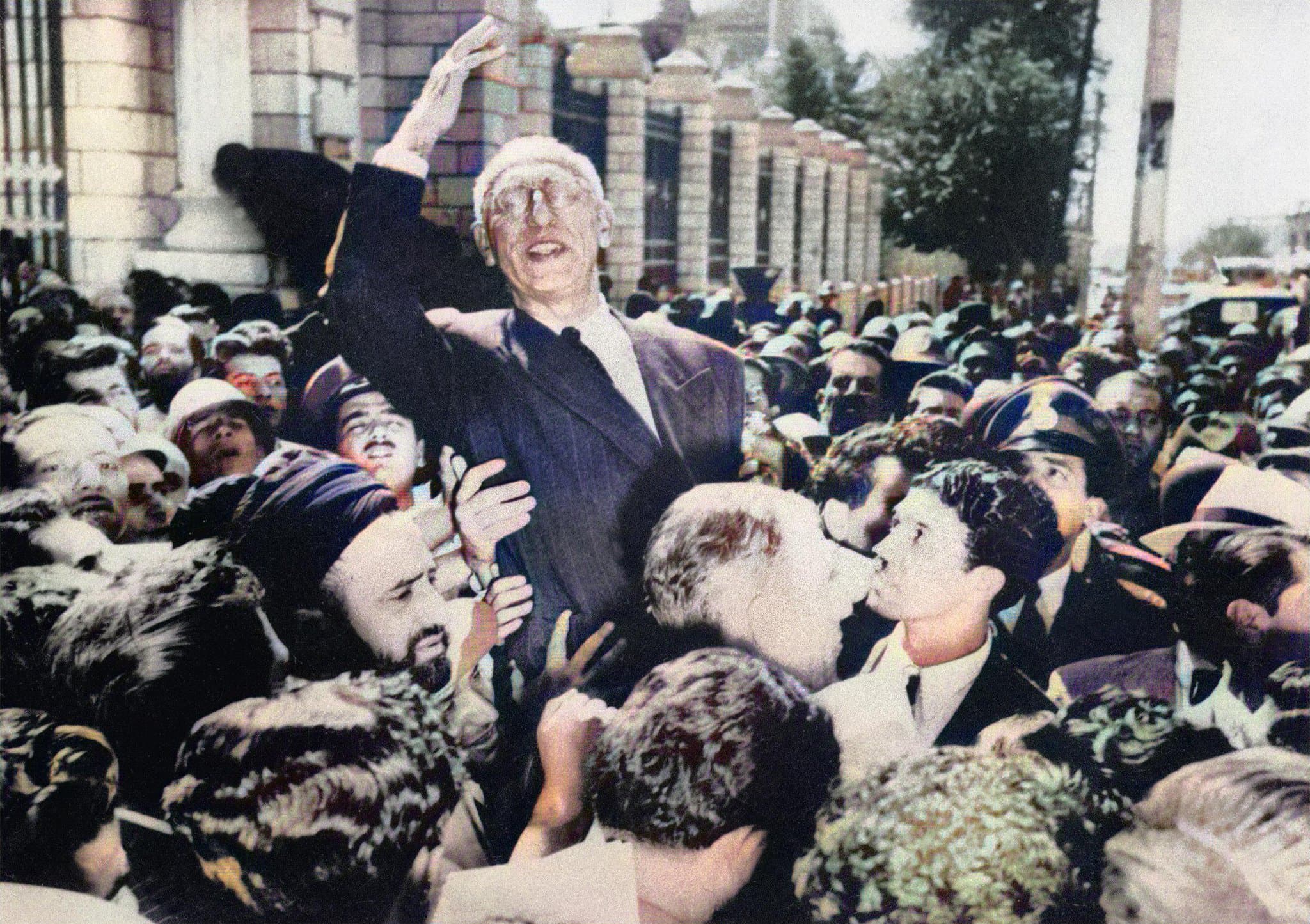
The Iranian operation, codenamed Ajax, was the first major test of the CIA's growing power to reshape foreign governments. Mossadegh, elected by parliament in 1951, had moved to nationalize Iran's oil industry, threatening the interests of the Anglo-Iranian Oil Company and by extension, Western strategic interests in the region. Declassified CIA documents, including a secret history the agency released in 2013, revealed the full scope of what had been hidden. The CIA had orchestrated a propaganda campaign, coordinated with British intelligence, and organized street protests to create the appearance of grassroots opposition to Mossadegh's government. The operation culminated in his removal in August 1953.
Guatemala followed a similar script just months later. When President Árbenz implemented land reforms that threatened the United Fruit Company's vast holdings, deemed him a communist threat—despite no credible evidence he was taking orders from Moscow. Operation PBSUCCESS, launched in 1954, involved training and arming rebels to invade Guatemala while a parallel propaganda operation convinced the population their government was falling. Árbenz fled the country, replaced by a military junta friendly to American interests. The CIA's involvement remained officially denied until surfaced in the 1980s and 1990s.
Get the 5 biggest receipts every week, straight to your inbox — plus an exclusive PDF: The Top 10 Conspiracy Theories Proven True in 2025-2026. No spam. No agenda. Just the papers they couldn't hide.
You just read "CIA overthrew democratically elected governments while denyi…". We send ones like this every week.
No one's said anything yet. Be the first to drop your take.
What makes these cases significant is not simply that coups occurred—great powers have long interfered in smaller nations' affairs. What matters is the systematic lying to the American people about what their government was doing in their name. The CIA's denial wasn't a minor evasion; it was a fundamental breach of democratic accountability. Citizens had no way to evaluate whether these interventions served American interests or harmed others. The public couldn't consent to policies they didn't know existed.
The consequences reverberated for decades. In Iran, the coup ultimately strengthened the very communist threat the CIA claimed to prevent—the resentment it generated helped fuel the 1979 Islamic Revolution that brought an anti-American theocracy to power. Guatemala descended into civil war, with an estimated 200,000 deaths. These weren't failures of a noble effort; they were consequences of an operation conducted in secret against democratic processes.
Today, when intelligence agencies make claims about threats or their own activities, the historical record demands skepticism. The question isn't whether governments sometimes need to keep secrets—they do. The question is whether citizens deserve honesty about major operations conducted in their name, especially when those operations overthrow elected leaders. These verified cases suggest the answer for decades was no, and that should trouble anyone who believes democratic accountability matters.
Unlikely leak
Only 5.7% chance this would come out. It did.
Conspirators
~200Network
Secret kept
72.7 years
Time to 95% exposure
500+ years