The CIA covertly funded abstract expressionist art exhibitions and artists like Jackson Pollock through front organizations. FOIA documents revealed this cultural warfare program aimed at promoting American artistic freedom against Soviet realism.
“The CIA has no involvement in funding or promoting American art or cultural activities”
From “crazy” to confirmed
The Claim Is Made
This is the moment they called it crazy.
During the height of the Cold War, as Soviet tanks rumbled across Eastern Europe and communist rhetoric saturated global media, American intelligence agencies faced an unexpected challenge: how do you win a war of ideas? The answer, it turned out, involved Jackson Pollock drip paintings, abstract sculptures, and millions of dollars funneled through dummy organizations—a cultural espionage operation so audacious that when first suggested, many in the art world dismissed it as pure fantasy.
The claim emerged gradually over decades. Art historians and cultural critics began noticing something peculiar: abstract expressionism, a distinctly American artistic movement, received enormous institutional support and international promotion during the 1950s and 1960s. Jackson Pollock, Mark Rothko, and other abstract expressionists became cultural ambassadors, their work displayed in prestigious exhibitions across Europe and Asia. Critics wondered aloud: how did such controversial, avant-garde work achieve such consistent backing and global distribution?
For years, the official response was dismissive. The art establishment maintained that this was simply merit-based patronage—collectors and museums recognizing genius when they saw it. The government denied any involvement. There was no conspiracy, they insisted; this was just the natural market rewarding great art.
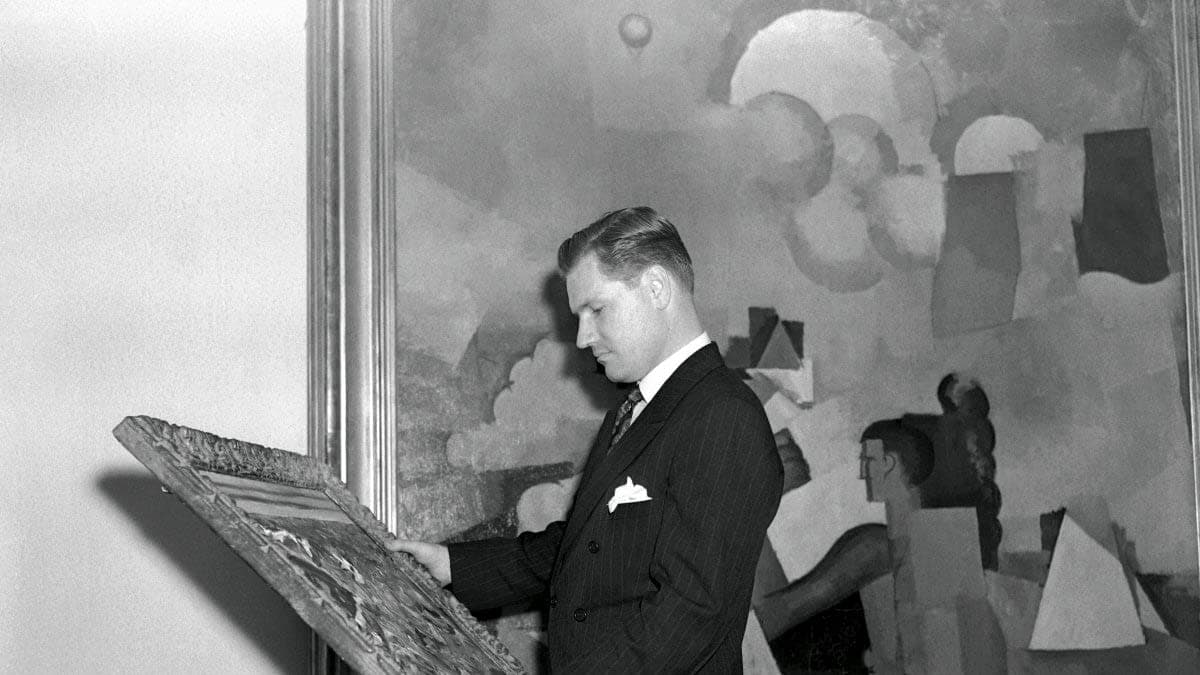
Then came the documents. Through Freedom of Information Act requests and declassified materials, researchers uncovered what had long been whispered about in certain circles: the CIA had indeed orchestrated a sophisticated cultural propaganda campaign. The agency funneled money through front organizations like the Congress for Cultural Freedom and the Museum of Modern Art to promote American abstract art as a symbol of freedom and individual expression—a direct counter to Soviet socialist realism, which depicted idealized workers and state-approved themes.
Get the 5 biggest receipts every week, straight to your inbox — plus an exclusive PDF: The Top 10 Conspiracy Theories Proven True in 2025-2026. No spam. No agenda. Just the papers they couldn't hide.
You just read "CIA Secretly Funded Abstract Expressionist Art During Cold W…". We send ones like this every week.
No one's said anything yet. Be the first to drop your take.
The mechanics were surprisingly straightforward. CIA officers worked with wealthy patrons and museum directors to organize exhibitions, fund artist stipends, and arrange international tours. Abstract expressionism became, in essence, state-sponsored art—though the sponsorship was hidden. The message was clear: in America, artists could paint whatever they wanted, however they wanted. In the Soviet Union, art served the state.
Declassified documents and interviews with former intelligence officers confirmed the operation. One memo explicitly stated that abstract art was being promoted as "a weapon of the Cold War." The irony was thick: the American government was using federal funds to promote art that officially celebrated artistic freedom from government interference.
What makes this revelation significant isn't simply that the government spent money promoting culture—governments do that routinely. What matters is that this happened in secret, and that the art world itself became an unwitting participant in intelligence operations. Artists and curators who thought they were following their aesthetic convictions were actually advancing state interests. The purchasing power of American museums, backed by CIA money, artificially elevated certain artists and movements.
This case reveals something uncomfortable about how power operates in democracies. We assume our cultural institutions—museums, galleries, universities—exist independent of state control. Yet here was clear evidence that intelligence agencies could quietly shape what we see, what we value, and what we consider great art. Trust in institutions requires transparency. When that transparency is absent, even with good intentions, it corrodes public faith in the independence of our cultural spaces.
Beat the odds
This had a 4% chance of leaking — someone talked anyway.
Conspirators
~200Network
Secret kept
51.4 years
Time to 95% exposure
500+ years