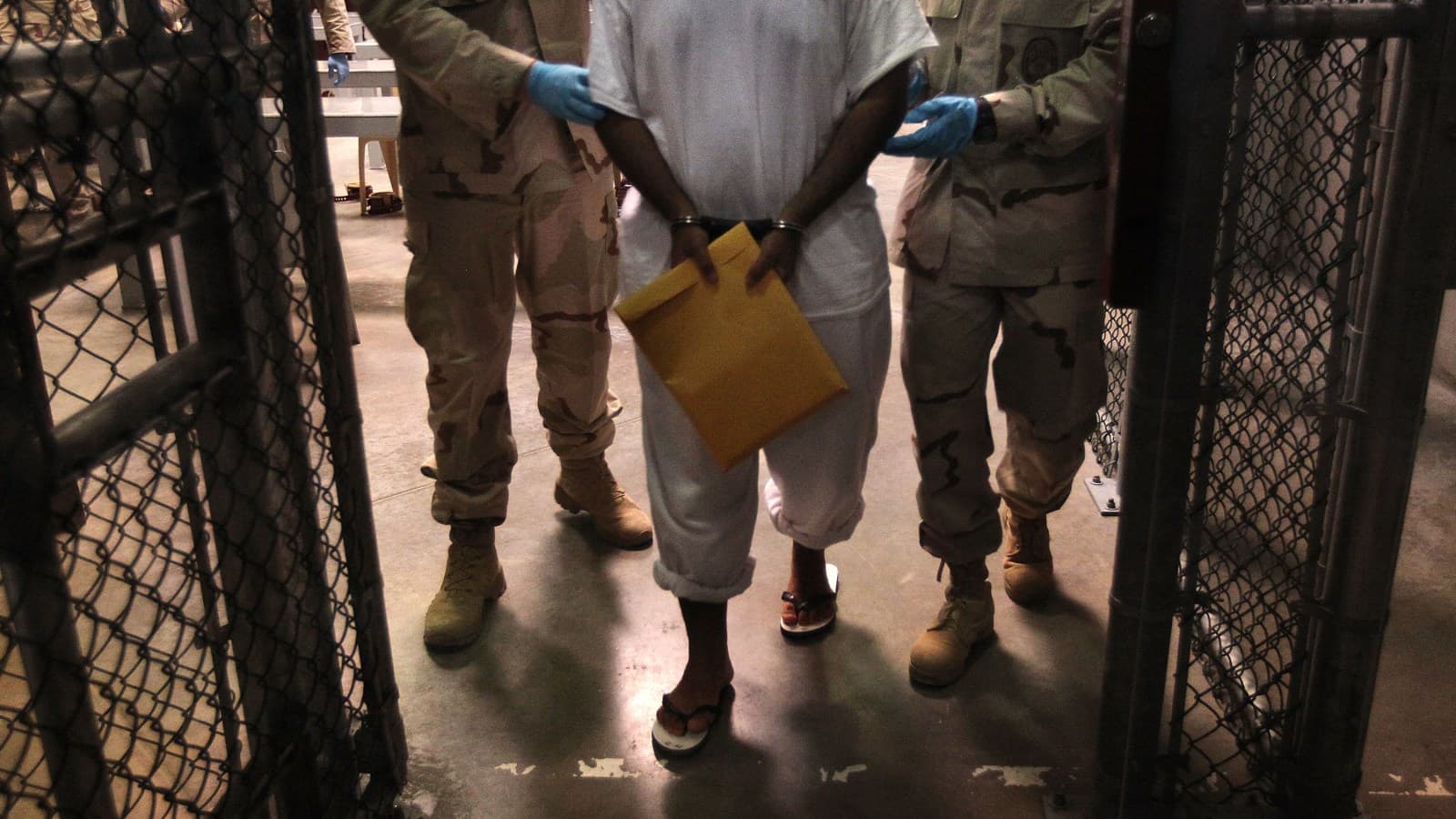
Officials claimed interrogations were lawful, but Senate report documented waterboarding, sexual humiliation, and other torture at CIA black sites worldwide.
“The United States does not torture prisoners and all interrogation techniques are legal”
From “crazy” to confirmed
The Claim Is Made
This is the moment they called it crazy.
For years after 9/11, American intelligence officials insisted they had not tortured detainees. When pressed on harsh interrogation techniques, they argued that methods like waterboarding were legal, carefully regulated, and necessary to protect national security. The public largely accepted these assurances, or at least had no way to challenge them.
Then in December 2014, the Senate Intelligence Committee released a 525-page summary of a classified report that contradicted nearly everything officials had said.
The report's findings were stark: the CIA had systematically tortured detainees at black sites around the world. Waterboarding was not an isolated technique used sparingly—it had been deployed on multiple detainees, sometimes dozens of times per person. Beyond waterboarding, detainees experienced sexual humiliation, rectal feeding, sleep deprivation for over a week, confinement in small boxes, and exposure to extreme temperatures. One detainee died in custody under circumstances the CIA had initially misrepresented.
What makes this case particularly significant is not just what was done, but how thoroughly it was denied. CIA leadership had testified to Congress that enhanced interrogation techniques were limited in scope and carefully monitored. Directors and officials assured lawmakers that safeguards prevented abuse. When journalists and human rights organizations raised alarm, they were dismissed as uninformed or alarmist. The narrative was consistent and confident: America did not torture, even if the methods sounded harsh.
The Senate report, compiled over years through classified document review and interviews, proved this narrative false. The investigation showed that waterboarding and other techniques were used far more extensively than had admitted. It documented that interrogators sometimes exceeded even the CIA's own guidelines for these methods. The report also revealed that information obtained through torture was often unreliable—detainees provided false confessions and fabricated intelligence, yet these statements were still reported as genuine intelligence to policymakers.
Get the 5 biggest receipts every week, straight to your inbox — plus an exclusive PDF: The Top 10 Conspiracy Theories Proven True in 2025-2026. No spam. No agenda. Just the papers they couldn't hide.
You just read "CIA tortured detainees despite denying use of torture techni…". We send ones like this every week.
No one's said anything yet. Be the first to drop your take.
Perhaps most damaging to institutional credibility was the evidence that the CIA had actively misled Congress about its practices. Officials provided inaccurate numbers, omitted details about specific techniques, and failed to report incidents that violated even their own legal memos. When the Intelligence Committee began investigating, the CIA attempted to block access to documents and impede the review.
The Senate report's release triggered debate about accountability. Despite the findings, no CIA officials faced criminal prosecution for torture. The Obama administration, which commissioned the report, chose not to pursue legal action. This raised questions about whether documented crimes could go unpunished when committed by government agencies.
Why this matters extends beyond the detainees themselves. When citizens are told something repeatedly by officials they are supposed to trust, and that claim turns out to be categorically false, it corrodes public confidence in institutions. The torture case demonstrated that intelligence agencies could deny serious misconduct with apparent impunity, and that oversight mechanisms might not catch or stop abuse while it was happening.
The Senate report proved that what many observers had suspected—or at least openly questioned—was true. The government had lied about torture, systematically and at high levels. More than a decade after the initial denials, evidence forced a reckoning. For those tracking when official denials crumbled under scrutiny, this remains one of the starkest examples.
Beat the odds
This had a 0.9% chance of leaking — someone talked anyway.
Conspirators
~200Network
Secret kept
11.4 years
Time to 95% exposure
500+ years