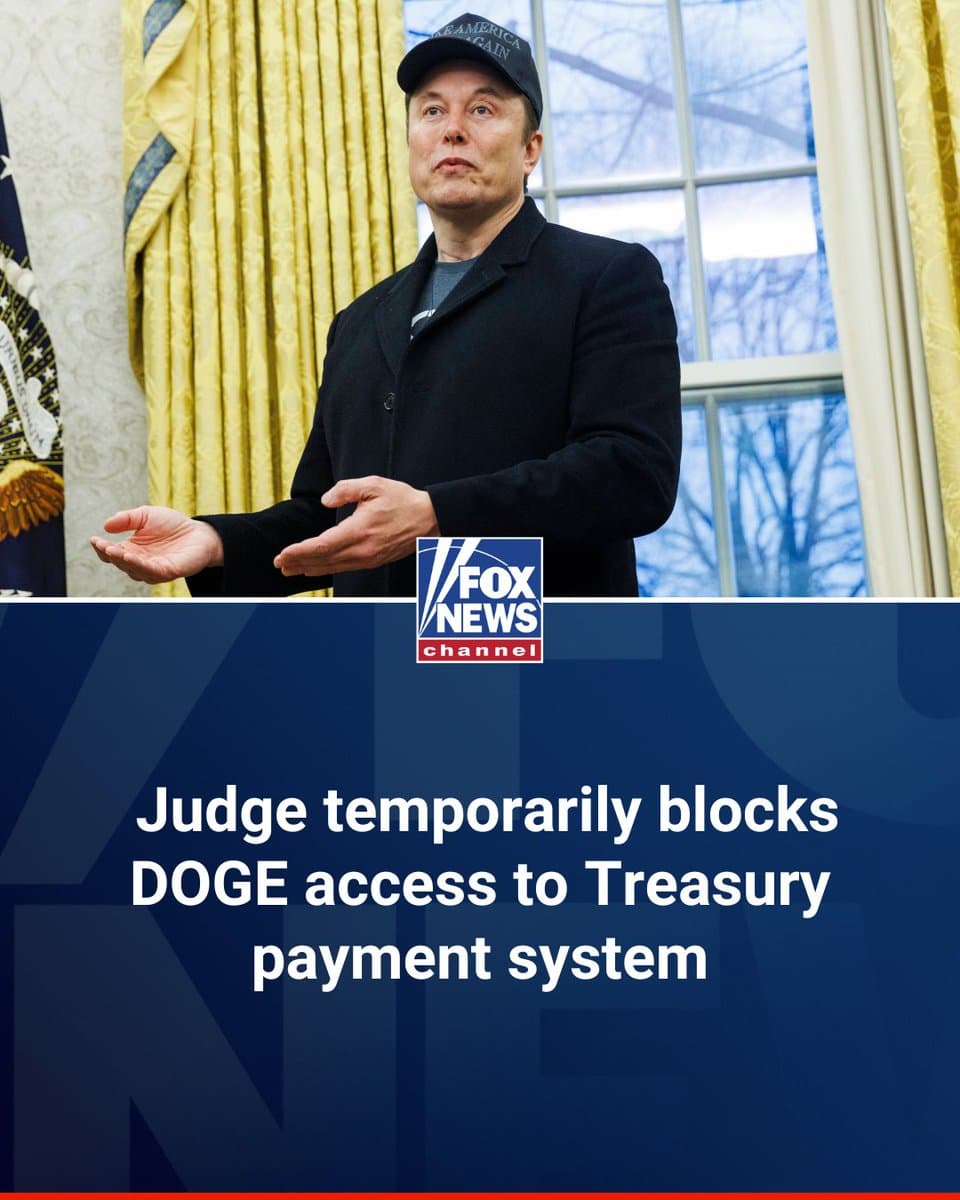
DOGE sought payment system with SSNs/bank info. 18 AGs sued. Judge: 'real possibility info already shared.' 12+ lawsuits.
“Musk's team tried to access every American's SSN. Judge said data may have leaked.”
What they said vs. what the evidence shows
From “crazy” to confirmed
The Claim Is Made
This is the moment they called it crazy.
When a government agency quietly proposes a new payment system, most people don't ask what data it wants access to. But 18 state attorneys general did, and what they found triggered a federal lawsuit that exposed a potential breach involving millions of Americans' Social Security numbers and banking information.
The Department of Government Efficiency, operating under the Trump administration's cost-cutting mandate, reportedly sought to develop a streamlined payment platform that would require Treasury Department access to sensitive personal financial data. The proposal would have consolidated Social Security numbers, bank account information, and transaction histories in a centralized system ostensibly designed for efficiency.
When news of the initiative became public, officials initially downplayed the privacy concerns. Proponents argued the system was necessary for governmental modernization and that existing safeguards would protect sensitive information. Critics were told they were being alarmist, that privacy fears were overblown, and that such data integration was standard practice in modern financial systems. The dismissals came swiftly and with confidence.
What followed suggested those assurances were premature at best. A federal judge reviewing the case, compelled to examine the actual security protocols and data handling procedures, issued a striking observation: there existed a "real possibility" that the sensitive information had already been shared or accessed beyond authorized channels. This wasn't speculation—it was a judicial finding based on evidence presented during proceedings.
The lawsuits multiplied rapidly. What began as a coordinated action by 18 state attorneys general ballooned into a dozen separate legal challenges, each raising distinct but overlapping concerns about data security, constitutional privacy rights, and the government's authority to consolidate such sensitive records without explicit consent. The fact that multiple jurisdictions felt compelled to act independently suggested the problem was broader than any single state's concern.
Documentation revealed in court filings showed that DOGE had requested direct access to Treasury systems containing exactly the kind of data that privacy advocates had warned about. Internal communications indicated awareness of the sensitivity involved, yet the requests proceeded. When the judge blocked the arrangement pending further review, it raised an uncomfortable question: how long had the access actually existed before the legal challenge halted it?
The leaked or potentially compromised data reportedly included information on millions of Americans. For those whose SSNs and banking details were potentially exposed, the implications extend far beyond the immediate scandal. Identity theft, financial fraud, and unauthorized surveillance become material risks—not theoretical ones.
This case matters because it represents a fundamental tension in modern governance. Government efficiency often collides with privacy protection, and institutions tasked with safeguarding public data sometimes decide efficiency wins. The judges, the attorneys general, and eventually public pressure all had to intervene to stop something that a government agency determined was simply necessary.
The broader lesson cuts deeper: official assurances about data security proved hollow when actually examined under legal scrutiny. The "real possibility" that sensitive information was already compromised suggests that questioning official narratives about privacy and data handling isn't paranoia—it's prudence. When those in power dismiss privacy concerns as alarmism, it may be worth asking what they're actually doing with your information.
Get the 5 biggest receipts every week, straight to your inbox — plus an exclusive PDF: The Top 10 Conspiracy Theories Proven True in 2025-2026. No spam. No agenda. Just the papers they couldn't hide.
You just read "DOGE sought Treasury SSN/bank data - 18 AGs sued, judge bloc…". We send ones like this every week.
No one's said anything yet. Be the first to drop your take.