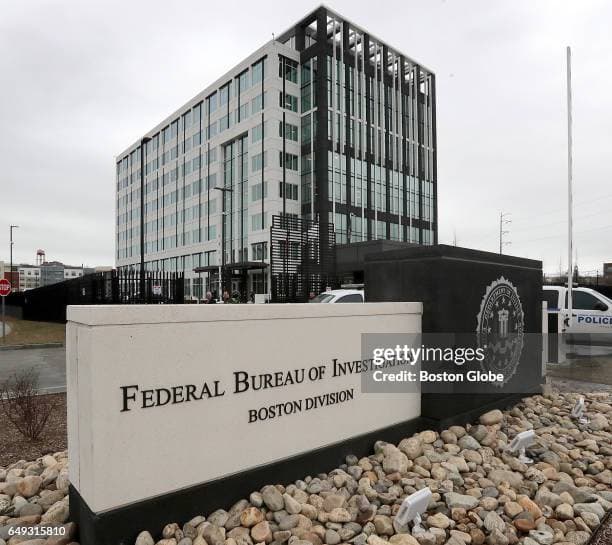
FBI denied protecting informants, but court documents revealed agents let mobster Whitey Bulger commit murders while serving as an informant from 1975-1995.
“FBI informant relationships are properly supervised and do not compromise law enforcement integrity”
From “crazy” to confirmed
The Claim Is Made
This is the moment they called it crazy.
For two decades, the FBI maintained a carefully constructed narrative: the Bureau did not protect criminals, and certainly did not allow informants to operate with impunity while committing murder. The institution's reputation rested on this claim. Then court documents revealed the truth, and that reputation cracked.
The story centers on James "Whitey" Bulger, a Boston mobster who served as an FBI informant from 1975 until his flight in 1995. During those twenty years, Bulger operated one of the most violent criminal enterprises in New England while agents from the FBI's Boston field office knew precisely what he was doing. They knew because they were protecting him.
Court filings and testimony established that FBI handlers allowed Bulger to commit at least nineteen murders while maintaining his confidential informant status. The Bureau prioritized intelligence gathering against rival organized crime families over the safety of innocent victims. When state and local law enforcement moved against Bulger's operation, FBI agents tipped him off. When prosecutors wanted to pursue murder charges, Bureau officials intervened.
The official denial was categorical. For years, the FBI insisted that any protection afforded to Bulger was incidental to his value as a source. The agency acknowledged no wrongdoing, characterized reports of cooperation as exaggerated, and suggested critics misunderstood how informant management worked. Senior Bureau officials maintained this position publicly and before Congress.
The evidence that finally proved the claim true came from multiple sources converging simultaneously. Court documents filed in criminal cases against FBI agents revealed written communications between handlers and supervisors discussing Bulger's criminal activities. Testimony from victims' families, law enforcement officers, and former agents painted a consistent picture. In 2002, a federal jury convicted FBI agent John Connolly of racketeering and murder charges related to his handling of Bulger. The conviction validated what victims and journalists had been saying for years: the Bureau had chosen to protect a murderer.
Get the 5 biggest receipts every week, straight to your inbox — plus an exclusive PDF: The Top 10 Conspiracy Theories Proven True in 2025-2026. No spam. No agenda. Just the papers they couldn't hide.
You just read "FBI concealed evidence of organized crime corruption in Bost…". We send ones like this every week.
No one's said anything yet. Be the first to drop your take.
Perhaps most damaging were the internal memos and reports that surfaced. These documents showed that supervisory personnel knew about Bulger's activities in real time and made conscious decisions to continue the relationship. This was not negligence or isolated misconduct by a rogue agent. This was institutional policy, approved at levels of command that should have known better.
The implications extended far beyond Boston. If the FBI could maintain an informant while he murdered nineteen people, what other arrangements existed? What other criminals operated under Bureau protection? The Bulger case demonstrated that an intelligence agency's institutional interests could systematically override justice for victims. It showed that official denials, made under oath and in public statements, could be false. It revealed that the institutions charged with enforcing the rule of law could operate outside it.
Two decades of institutional deception transformed the Bulger case from a local crime story into a referendum on accountability. Families of murder victims waited years for justice. Innocent people died while the FBI protected their killer. And the Bureau, when finally confronted with documentation, could not deny what had happened.
The case matters because it demonstrates that claims of institutional wrongdoing should not be dismissed simply because official sources deny them. Sometimes the people asking difficult questions are right. Sometimes the evidence really is there, buried in court documents and testimony, waiting for someone to look closely enough. Public trust in institutions cannot survive repeated revelations that they have concealed the truth.
Beat the odds
This had a 2.2% chance of leaking — someone talked anyway.
Conspirators
~200Network
Secret kept
27.7 years
Time to 95% exposure
500+ years