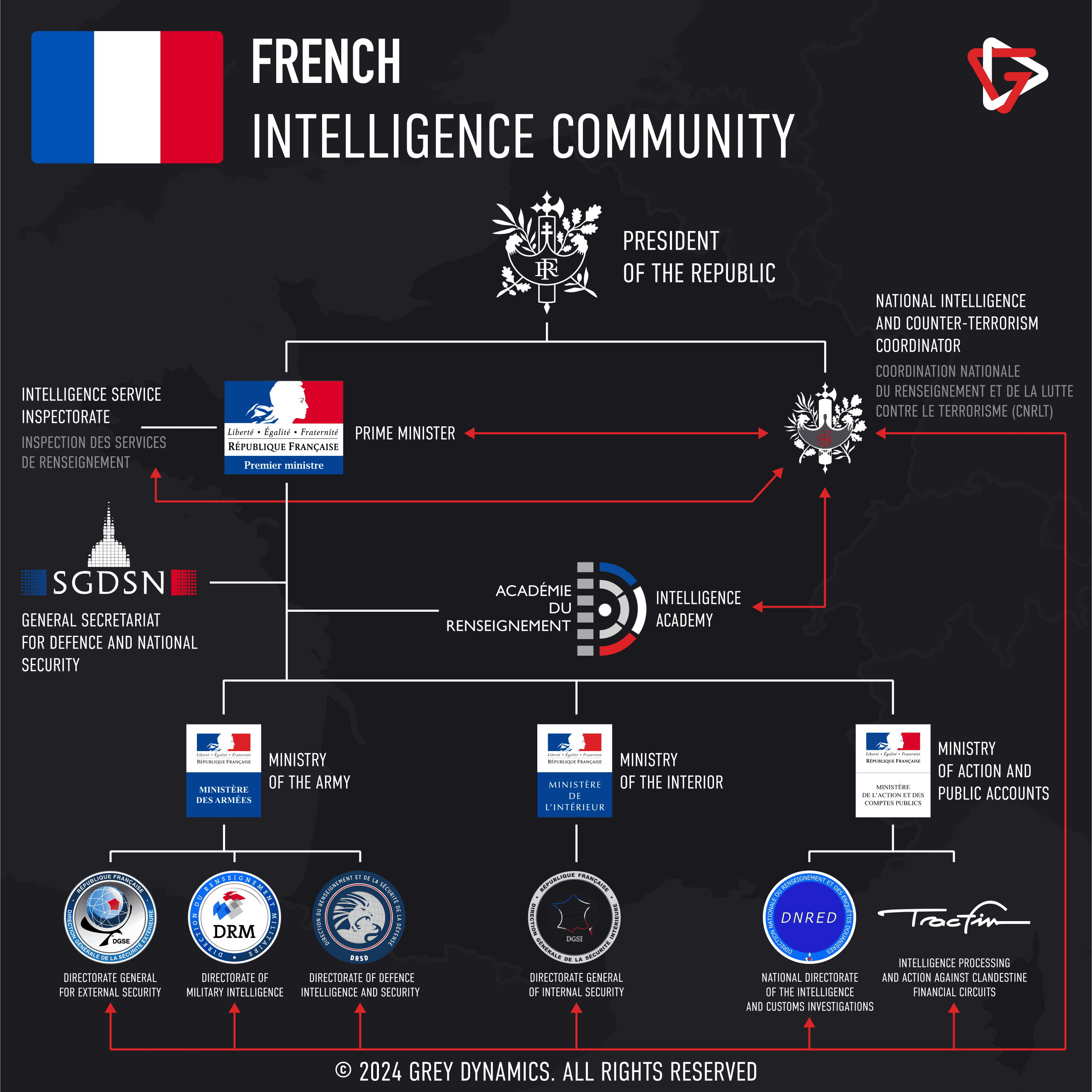
DGSE denied targeting domestic activists, but court documents revealed French intelligence infiltrated and surveilled Greenpeace and anti-nuclear groups in the 1980s.
“French external intelligence services do not conduct operations against domestic environmental organizations”
From “crazy” to confirmed
The Claim Is Made
This is the moment they called it crazy.
When French intelligence officials were asked about their activities targeting domestic environmental groups in the 1980s, their answer was straightforward: it didn't happen. The DGSE, France's foreign intelligence agency, flatly denied conducting surveillance on Greenpeace and anti-nuclear activist organizations operating within French borders. Officials maintained the agency focused exclusively on external threats and international operations, not domestic dissent.
The denials came with the weight of institutional authority. Intelligence agencies don't typically admit to domestic surveillance programs, and France was no exception. When activists complained of infiltration and monitoring, French officials dismissed the claims as conspiracy-minded thinking. The public had little reason to doubt official statements—after all, what proof could ordinary citizens possibly gather against a secretive government apparatus?
Yet court documents would eventually tell a different story. Evidence emerged showing that the DGSE had indeed infiltrated environmental organizations opposing nuclear power and other government policies. The agency placed informants and undercover agents directly within Greenpeace and related groups, monitored their communications, and tracked their leadership and activities. This wasn't foreign intelligence work—it was domestic surveillance conducted against French citizens exercising their legal rights to protest.
The most direct evidence came from investigation into the 1985 bombing of the Greenpeace ship Rainbow Warrior in Auckland, New Zealand. When French operatives were arrested for the attack, the subsequent legal proceedings and inquiries revealed the scope of France's intelligence operations against environmental groups. The ship had been conducting anti-nuclear activities that conflicted with French government interests, and the bombing itself suggested how seriously the state took these environmental movements.
Get the 5 biggest receipts every week, straight to your inbox — plus an exclusive PDF: The Top 10 Conspiracy Theories Proven True in 2025-2026. No spam. No agenda. Just the papers they couldn't hide.
You just read "French intelligence conducted illegal domestic surveillance …". We send ones like this every week.
No one's said anything yet. Be the first to drop your take.
What made this case particularly significant was the systematic nature of the operation. This wasn't a rogue agent or a limited investigation into a single group. The DGSE had developed an ongoing program targeting multiple organizations, maintaining networks of informants, and conducting what amounted to political surveillance. The intelligence agency treated domestic activists as security threats worthy of the same operational attention usually reserved for foreign adversaries.
The documented truth revealed a fundamental contradiction between what French officials claimed and what they actually did. Citizens were entitled to believe their government when it denied domestic surveillance programs. Yet those assurances were false. The state apparatus had chosen to monitor its own people's political activities—specifically those engaging in environmental advocacy—while denying it all.
This case illustrates why institutional credibility matters. When governments can be caught in verifiable falsehoods about surveillance programs, public trust erodes in ways that extend far beyond the specific incident. If French intelligence misled the public about monitoring environmental groups in the 1980s, what other activities have been similarly denied? The pattern becomes more important than any single instance.
The Rainbow Warrior investigation served as an accidental accountability mechanism. Without the bombing triggering an international incident and legal proceedings, France's surveillance of environmental groups might have remained unexamined indefinitely. The lesson here is uncomfortable: we often only discover what governments do when something goes publicly wrong. The denial came first, the truth second, and public trust suffered the consequences.
For anyone tracking how institutions respond to scrutiny, this episode demonstrates a predictable pattern—deny, maintain authority, then evidence emerges anyway. It's a reminder that official denials require scrutiny, not deference.
Beat the odds
This had a 3.2% chance of leaking — someone talked anyway.
Conspirators
~200Network
Secret kept
40.8 years
Time to 95% exposure
500+ years