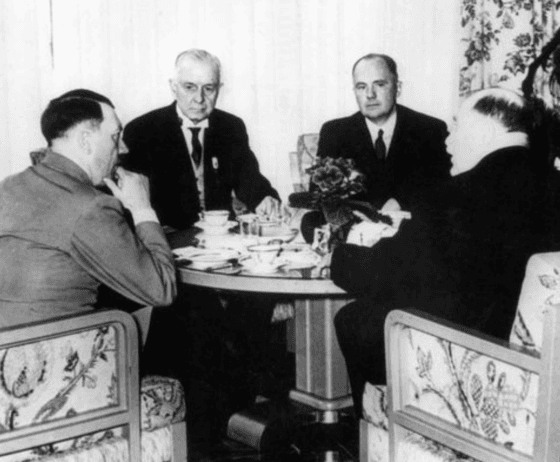
IBM subsidiary provided Hollerith machines and services to Nazi regime for prisoner identification and tracking. Company maintained operations through Swiss subsidiary during WWII.
“IBM had no knowledge of how its technology was being used during the war and ceased operations in Germany before the Holocaust.”
From “crazy” to confirmed
The Claim Is Made
This is the moment they called it crazy.
There's a particular kind of historical denial that happens when the evidence is inconvenient for powerful institutions. For decades, IBM maintained that its involvement in Nazi Germany's administrative machinery was minimal, compartmentalized, and ultimately beyond the company's control. The documentary record tells a different story.
In the 1990s, investigative journalist Edwin Black began piecing together a troubling narrative: IBM's German subsidiary, Dehomag, had provided Hollerith machines—early punch card data processing systems—that Nazi authorities used to identify, classify, and track millions of people targeted for persecution. These weren't passive tools. The technology enabled the Nazi regime to conduct comprehensive census operations, manage concentration camp populations, and automate processes that would have been exponentially more difficult through manual record-keeping alone.
For years, IBM's official position was essentially defensive. The company argued that it had no knowledge of how its machines were being used, that wartime operations in occupied territories were beyond corporate oversight, and that a Swiss subsidiary technically maintained independence from the American parent company. These claims held remarkable sway in business circles and with regulatory bodies. After all, who wanted to believe that a major American technology firm had knowingly facilitated the Holocaust's industrial scale?
The evidence that eventually surfaced painted a more complicated picture. IBM maintained direct business relationships with Nazi Germany throughout the 1930s, even after the Nuremberg Laws had made the regime's genocidal intentions explicit. The company's German operations weren't some rogue division operating without guidance—they were profitable, strategic, and ultimately beneficial to the parent corporation. Documents showed that IBM's Swiss subsidiary, Dehomag's parent entity, continued servicing Nazi accounts even after America entered the war, exploiting the neutral status of Switzerland.
What made this particularly damning was the specificity of the arrangement. The Hollerith machines weren't multipurpose data systems with ambiguous applications. In the Nazi context, they were explicitly configured for racial classification and population management. IBM technicians provided training and maintenance. The company received payment. There's no credible evidence that IBM executives believed these machines would be used for something benign.
The deeper historical record, particularly through Black's work and subsequent academic analysis, showed that IBM's corporate leadership had substantial knowledge of Nazi Germany's intentions. American business executives had significant visibility into German industrial operations in the 1930s. Plausible deniability required either willful ignorance or calculated silence—neither of which absolves corporate responsibility.
This case matters because it establishes a pattern still relevant today. Powerful institutions can construct narratives that minimize their complicity in harm, and those narratives persist until someone does the unglamorous work of examining documents, following financial trails, and refusing convenient explanations. It reveals how technological neutrality is often a myth—tools become weapons when put in the hands of those determined to commit atrocities, and those who provide the tools while ignoring their purpose bear some measure of responsibility.
The IBM story also demonstrates why institutional accountability requires constant scrutiny. Companies shape their historical record. Without persistent investigation and skeptical questioning, the narrative that serves corporate interests becomes the accepted historical truth. Only when evidence becomes overwhelming and undeniable do institutions finally concede what investigative work had already established.
Get the 5 biggest receipts every week, straight to your inbox — plus an exclusive PDF: The Top 10 Conspiracy Theories Proven True in 2025-2026. No spam. No agenda. Just the papers they couldn't hide.
You just read "IBM Helped Nazi Germany Automate Holocaust Operations with P…". We send ones like this every week.
No one's said anything yet. Be the first to drop your take.