Intel knew about critical processor vulnerabilities affecting billions of devices but delayed disclosure. Company sold stock before public announcement of security flaws.
“Intel was not aware of these vulnerabilities until they were reported through responsible disclosure channels.”
From “crazy” to confirmed
The Claim Is Made
This is the moment they called it crazy.
When computer security researchers discovered two catastrophic hardware vulnerabilities in 2017, they faced an unusual problem: Intel already knew. The chipmaker had possessed detailed knowledge of the flaws for months but chose to stay silent while executives unloaded company stock ahead of the public disclosure. What followed was a masterclass in corporate damage control and a test of whether the world's most powerful semiconductor company could escape accountability for prioritizing shareholder value over user security.
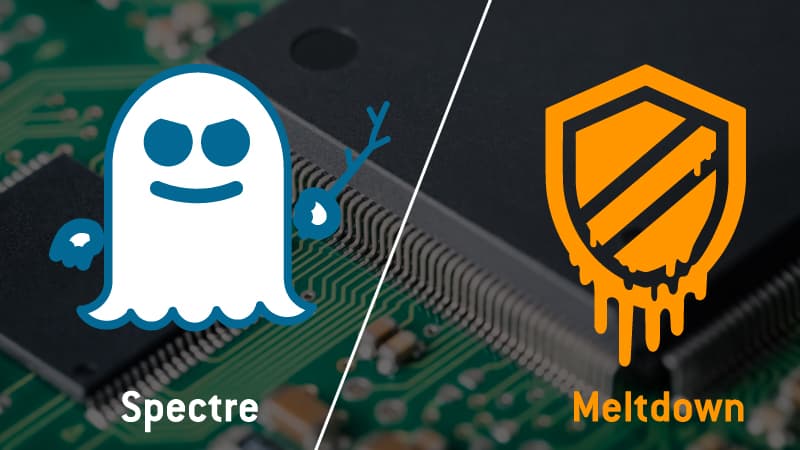
The vulnerabilities, named Meltdown and Spectre, were extraordinary in scope. They affected nearly every processor Intel had manufactured in the previous two decades—billions of devices ranging from smartphones to servers. The flaws allowed malicious software to bypass fundamental security protections and read sensitive data directly from a computer's memory. This wasn't a software bug that could be patched away. This was a fundamental architectural flaw baked into the silicon itself.
Security researchers at Google's Project Zero had been investigating the vulnerabilities since the summer of 2017, communicating their findings to Intel under industry-standard responsible disclosure agreements. These agreements typically allow companies 90 days to prepare patches before researchers go public. Intel knew. Their engineers understood the severity. The company began developing patches while saying nothing to customers, shareholders, or the general public.
What Intel said publicly, meanwhile, was reassuring and vague. Company spokespeople maintained their usual position: Intel's processors were secure. No urgent action was needed. Meanwhile, executives sold millions of dollars worth of Intel stock between Intel's private awareness of the vulnerability and the January 2018 public announcement. Former CEO Brian Krzanich sold 250,000 shares worth roughly $39 million just weeks before the disclosure, according to SEC filings.
Get the 5 biggest receipts every week, straight to your inbox — plus an exclusive PDF: The Top 10 Conspiracy Theories Proven True in 2025-2026. No spam. No agenda. Just the papers they couldn't hide.
You just read "Intel Concealed Meltdown and Spectre CPU Vulnerabilities for…". We send ones like this every week.
No one's said anything yet. Be the first to drop your take.
The claim that Intel concealed the vulnerabilities seemed straightforward enough that major publications treated it as fact once the timeline became clear. But Intel's initial response relied on semantic arguments. The company hadn't technically hidden knowledge from the public—it had simply not volunteered information during a reasonable disclosure window. The stock sales, Intel argued, were part of regular executive portfolio management and completely unrelated to vulnerability awareness.
What proved the claim true wasn't just the timeline of events, easily documented through SEC filings and contemporaneous communications revealed later. It was the pattern that emerged. Intel had known about these flaws long enough to brief major cloud providers and technology partners under non-disclosure agreements. Those companies scrambled to prepare mitigation strategies. Meanwhile, ordinary users and smaller enterprises remained in the dark, unable to prepare their systems. The asymmetry of information was deliberate.
The evidence also lay in what didn't happen during Intel's silence. The company didn't issue security advisories. It didn't accelerate patch development for older processors. It didn't even hint that something was coming. Only when researchers set a public deadline did Intel accelerate its response.
This episode matters beyond the specifics of Meltdown and Spectre because it illustrates a persistent tension in technology: when does standard business practice become deception? Intel followed the letter of responsible disclosure protocols while violating their spirit. The company prioritized stock price over user security, betting that it could manage the narrative after the fact. That calculation—and its partial success in avoiding serious legal consequences—sent a clear message about corporate accountability in the age of critical digital infrastructure.
Beat the odds
This had a 0.5% chance of leaking — someone talked anyway.
Conspirators
~150Network
Secret kept
8.4 years
Time to 95% exposure
500+ years