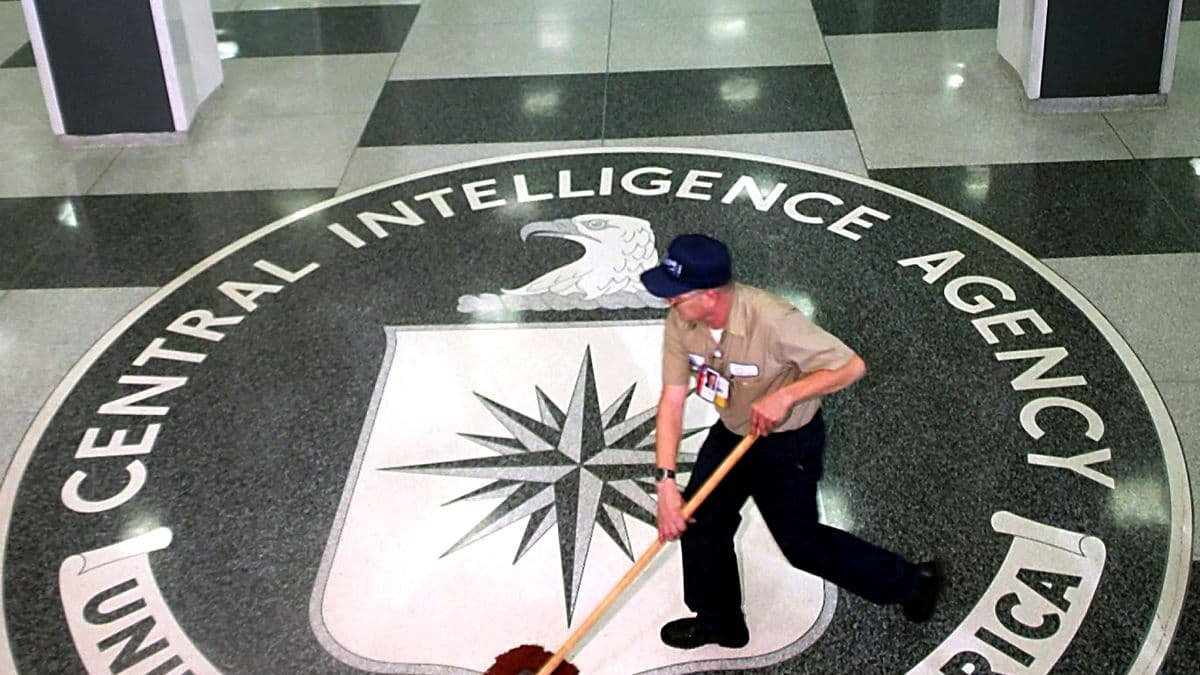
In 1998, CIA Inspector General Frederick Hitz confirmed what journalist Gary Webb had alleged: the CIA had evidence of Contra involvement in cocaine trafficking and hid it from the Justice Department, Congress, and even from the agency's own analytics division. The IG found that the war against the Sandinistas 'had taken precedence over law enforcement.' Webb, whose career was destroyed for reporting this, was found dead of two gunshot wounds to the head, ruled a suicide.
“There are instances where CIA did not, in an expeditious or consistent fashion, cut off relationships with individuals supporting the Contra program who were alleged to have engaged in drug trafficking.”
From “crazy” to confirmed
The Claim Is Made
This is the moment they called it crazy.
In 1996, reporter Gary Webb published a series of articles in the San Jose Mercury News suggesting that the CIA had knowledge of Contra involvement in cocaine trafficking during the Nicaragua conflict. The claim was explosive: not only had drug dealers connected to the U.S.-backed Contra rebels been flooding American streets with cocaine, but the intelligence agency had apparently known about it and done nothing. Webb's reporting triggered a firestorm—but not the kind that leads to accountability.
Instead, Webb's credibility was systematically dismantled. Major newspapers including the New York Times and Washington Post published pieces undermining his work. The CIA and other government agencies denied the allegations. Webb found himself professionally isolated, his reputation in tatters. For anyone following the story at the time, the official consensus seemed clear: Webb had gotten it wrong, had pushed too hard, had seen connections that weren't there.
Then in 1998, something remarkable happened. CIA Inspector General Frederick Hitz released a report confirming the essential truth of what Webb had reported. Hitz found that the agency had indeed possessed evidence that Contras were involved in cocaine trafficking. More damning still, the CIA had deliberately withheld this information from the Justice Department, from Congress, and even from its own analytical divisions. The Inspector General concluded that the agency's priority—the war against the Sandinistas—had "taken precedence over law enforcement."
The verification came too late for Webb. His career had been destroyed by the initial dismissal. The major newspapers that had attacked his reporting offered no meaningful corrections or apologies. In 2004, Webb was found dead from two gunshot wounds to the head, officially ruled a suicide. Whether one accepts the official ruling or not, the timing underscores a grim reality: Webb's vindication arrived only after his professional destruction and personal tragedy.
Get the 5 biggest receipts every week, straight to your inbox — plus an exclusive PDF: The Top 10 Conspiracy Theories Proven True in 2025-2026. No spam. No agenda. Just the papers they couldn't hide.
You just read "The CIA Inspector General admitted the agency covered up Con…". We send ones like this every week.
No one's said anything yet. Be the first to drop your take.
Confirmed: They Were Right
The truth comes out. Officially documented.
Confirmed: They Were Right
The truth comes out. Officially documented.
What makes this case significant is not merely that a reporter was right and institutions were wrong. Rather, it illustrates how institutional power can suppress documented truth before it becomes inconvenient to acknowledge. The CIA didn't dispute Webb's facts once they were formally investigated—they disputed his right to report them while they remained officially classified. The major media outlets amplified this institutional skepticism without conducting their own rigorous investigations.
The public was left with a choice: trust an independent journalist's reporting or trust official denials backed by institutional prestige. Most chose the latter. Only when an internal government review confirmed Webb's essential claims did the narrative shift, but by then the damage to Webb was irreversible and the moment for meaningful accountability had passed.
This pattern has consequences beyond Webb's individual tragedy. When institutions successfully discredit inconvenient reporting before the facts are officially acknowledged, citizens learn to distrust independent journalism and rely on official channels for truth. Yet official channels, as this case demonstrates, may simply be slower to admit what they already know. The public trust erodes not when we discover institutions lied—but when we realize how effectively they can delay accountability while destroying those who spoke too soon.
Beat the odds
This had a 0.2% chance of leaking — someone talked anyway.
Conspirators
~200Network
Secret kept
2.1 years
Time to 95% exposure
500+ years