Israel denied conducting intelligence operations against the US, but FBI investigation revealed systematic recruitment and handling of Navy analyst Pollard from 1984-1985.
“Israel does not conduct intelligence operations against the United States or recruit American citizens as agents”
From “crazy” to confirmed
The Claim Is Made
This is the moment they called it crazy.
For decades, Israel maintained a consistent public position: the country did not conduct intelligence operations against the United States. This assertion was categorical and repeated across diplomatic channels and official statements. Yet behind the scenes, something very different was taking place.
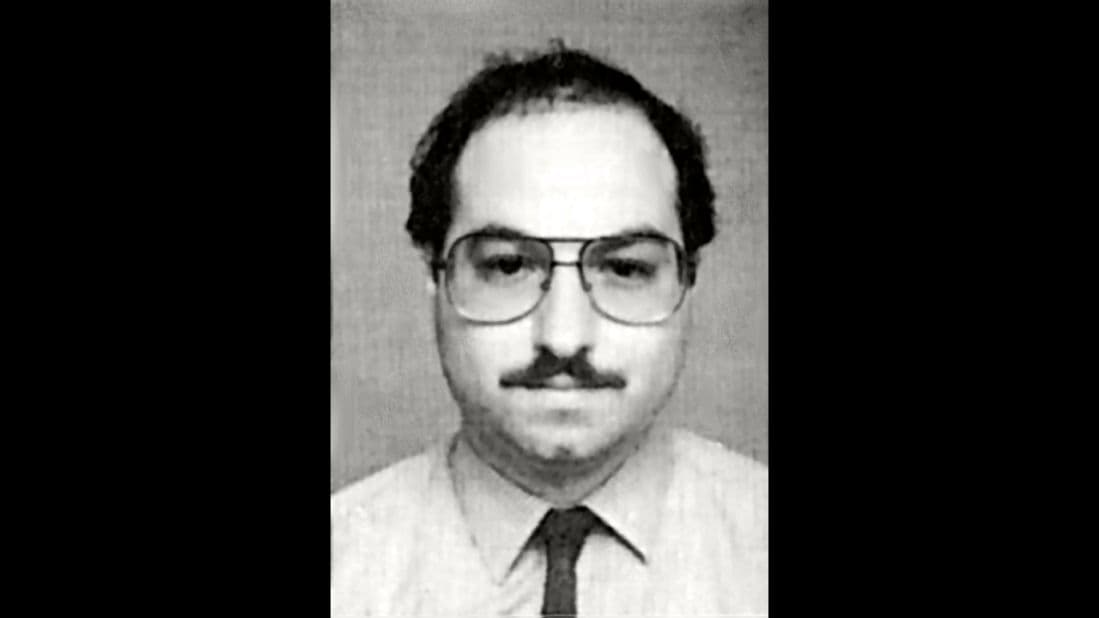
In the mid-1980s, the Federal Bureau of Investigation uncovered evidence of a sophisticated Israeli recruitment and espionage operation targeting American military secrets. At the center of this operation was Jonathan Pollard, a civilian intelligence analyst working for the Naval Intelligence Support Center. Between 1984 and 1985, Pollard was systematically recruited, trained, and handled by Israeli intelligence operatives while maintaining his position within America's defense establishment.
The official Israeli response was to deny the entire affair. When pressed about their intelligence activities targeting Americans, Israeli officials claimed they did not conduct such operations. The denials were firm and diplomatic. Israel presented itself as a close ally whose intelligence services respected the boundaries of their American counterpart.
What the FBI investigation revealed told a different story. Pollard had been approached by an Israeli government official and quickly developed a pattern of passing classified information to his handlers. The materials he provided included technical specifications, satellite imagery assessments, and intelligence relating to Middle Eastern threats. Pollard's handlers in Israeli intelligence were not rogue agents acting without authorization—they were representatives of an organized state operation with clear command structures and protocols.
The evidence that emerged from the investigation was specific and detailed. documented the meetings between Pollard and his Israeli contacts, the methods of communication, and the systematic nature of the intelligence gathering. This wasn't opportunistic espionage where an Israeli agent happened to recruit an American with access. This was a coordinated operation by a foreign intelligence service with objectives and management structures.
Get the 5 biggest receipts every week, straight to your inbox — plus an exclusive PDF: The Top 10 Conspiracy Theories Proven True in 2025-2026. No spam. No agenda. Just the papers they couldn't hide.
You just read "Israeli intelligence recruited American spy Jonathan Pollard…". We send ones like this every week.
No one's said anything yet. Be the first to drop your take.
Pollard's own admission to his crimes provided additional confirmation of Israel's involvement. He pleaded guilty to espionage in 1986 and acknowledged working under the direction of Israeli intelligence officials. His testimony and cooperating statements detailed how the operation functioned and who authorized his recruitment.
The significance of the Pollard case extends beyond the individual act of espionage. It demonstrated a gap between official diplomatic positions and the actual conduct of intelligence services. A country that publicly denied conducting operations against America was simultaneously running one of the most significant espionage operations against American interests in that era.
This case matters because it illustrates how governments sometimes maintain one narrative for public consumption while pursuing different activities in practice. When official denials about intelligence operations later prove false, it raises questions about what other claims require independent verification rather than acceptance at face value.
The Pollard operation showed that even close allies can conduct intelligence operations against the United States while publicly denying such activities. Understanding what actually happened, rather than accepting diplomatic reassurances, is essential for informed public discussion of national security matters. The documented evidence in the Pollard case serves as a reminder that investigative findings sometimes contradict official positions, and that historical verification matters more than convenient rhetoric.
Beat the odds
This had a 3.2% chance of leaking — someone talked anyway.
Conspirators
~200Network
Secret kept
40.5 years
Time to 95% exposure
500+ years