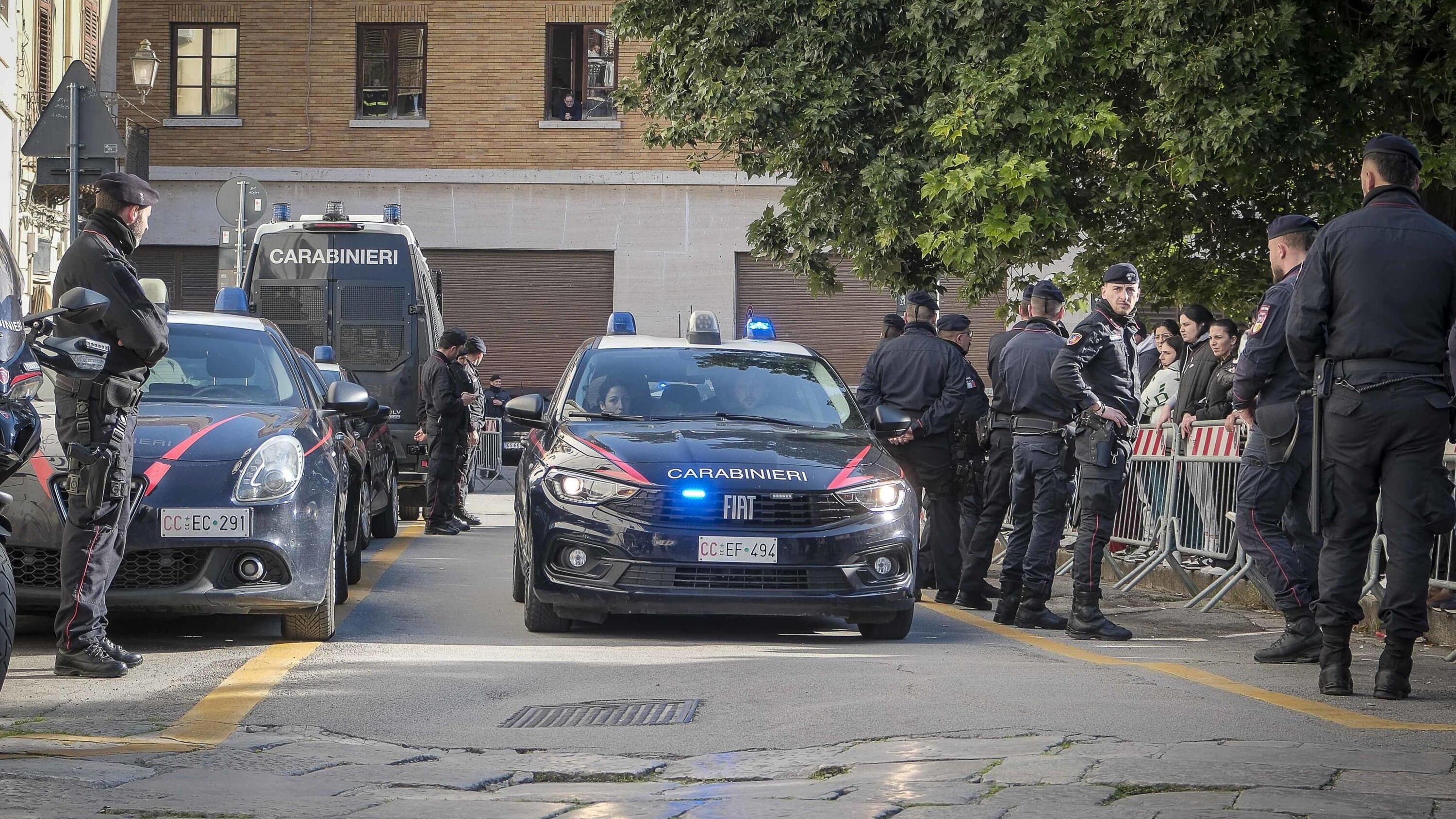
Italy denied knowledge of extraordinary rendition, but prosecutor documents revealed CIA agents kidnapped imam Abu Omar with Italian intelligence assistance in 2003.
“Italian authorities had no involvement in or knowledge of any unauthorized operations on Italian soil”
From “crazy” to confirmed
The Claim Is Made
This is the moment they called it crazy.
When Imam Osama Mustafa Hassan, known as Abu Omar, disappeared from the streets of Milan on February 17, 2003, Italian authorities insisted they had nothing to do with it. The man had been living legally in Italy for years, operating a mosque, and drawing the attention of intelligence agencies across Europe. When he vanished without a trace, investigators had questions. Italian officials offered reassurance: this was not our doing.
For years, that denial held. The Italian government maintained that if something had happened to Abu Omar, it was beyond their knowledge or control. Officially, Italy was not complicit in what Western intelligence services were doing during the War on Terror. That was the claim that mattered in the halls of power—the one that protected reputations and preserved diplomatic relationships.
But court documents tell a different story. Prosecutors investigating the case uncovered evidence that Italian intelligence and police had actively assisted CIA agents in the kidnapping of Abu Omar. This wasn't a parallel operation or a coincidental presence of American intelligence in Milan. The documents showed direct collaboration: Italian officials helped identify Abu Omar's location, facilitated his capture, and enabled his removal from Italian territory.
The evidence accumulated slowly through investigations into the extraordinary rendition program—the secret system by which the CIA transported terrorism suspects to countries where they could be interrogated without legal constraints. Abu Omar was one of hundreds subjected to this process. What made his case notable was that it happened in a NATO ally, and that the ally's government had initially denied involvement.
Get the 5 biggest receipts every week, straight to your inbox — plus an exclusive PDF: The Top 10 Conspiracy Theories Proven True in 2025-2026. No spam. No agenda. Just the papers they couldn't hide.
You just read "Italian police covered up CIA kidnapping operation in Milan …". We send ones like this every week.
No one's said anything yet. Be the first to drop your take.
Prosecutors obtained testimony and records showing that Italian military intelligence and Milan police coordinated with CIA operatives. They helped the Americans locate Abu Omar, tracked his movements, and allowed his abduction to proceed unimpeded. In some accounts, Italian officers were actually present during the kidnapping itself. After his capture, Abu Omar was transported to Egypt, where he was detained and, according to human rights organizations, tortured.
The documentation forced a reckoning. Italy couldn't maintain its denial once the paper trail became public. Prosecutors brought charges against CIA operatives involved in the kidnapping, and Italian officials who participated faced scrutiny, though convictions proved complicated by diplomatic immunity claims and extradition complications.
What makes the Abu Omar case matter beyond the fate of one man is what it reveals about institutional dishonesty and the gap between public statements and documented reality. Italian officials looked the public in the eye and said they weren't involved. Government denials carried weight—these were NATO allies, democracies with rule of law. Yet the moment prosecutors accessed the actual records, the story changed completely.
This pattern has repeated across dozens of rendition cases. Governments deny participation. Evidence eventually emerges showing they lied. By then, the damage is done: suspects have been disappeared, interrogated in foreign prisons, and the trust between citizens and their institutions has fractured.
The Abu Omar case proves that when official denials conflict with documentary evidence, the documents usually win. But they only win when someone bothers to look for them. How many other operations remain hidden simply because nobody filed a freedom of information request or opened a prosecutor's investigation? That's the question the case leaves unanswered.
Beat the odds
This had a 1.7% chance of leaking — someone talked anyway.
Conspirators
~200Network
Secret kept
20.9 years
Time to 95% exposure
500+ years