This receipt is still in the Pro early-access window — public in 23h.
Upgrade to Pro for 24-48h early access on every new drop + weekly newsletter + category alerts.
Upgrade — $9.99/mo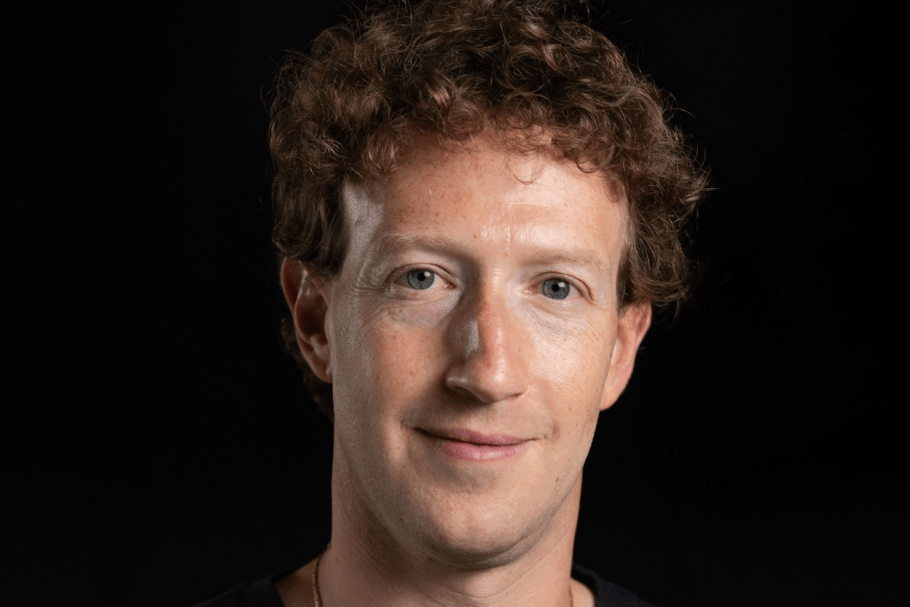
On May 5, 2026, five major publishers — Elsevier, Cengage, Hachette, Macmillan, and McGraw Hill — plus author Scott Turow filed a class action in the Southern District of New York naming Meta and CEO Mark Zuckerberg personally. They allege Meta torrented millions of copyrighted books and journal articles from pirate sites to train Llama, masked its IP addresses to avoid detection, and stripped copyright notices.
“On May 5, 2026, five major publishers — Elsevier, Cengage, Hachette, Macmillan, and McGraw Hill — plus author Scott Turow filed a class action in the Southern District of New York naming Meta and CEO Mark Zuckerberg personally. They allege Meta torrented millions of copyrighted books and journal articles from pirate sites to train Llama, masked its IP addresses to avoid detection, and stripped copyright notices.”
For years, AI companies insisted their training data was a matter of 'publicly available' material and 'fair use.' A lawsuit filed May 5, 2026 alleges Meta's process was considerably less polite: it torrented millions of copyrighted books and journal articles from pirate sites, then took deliberate steps to avoid getting caught.
The suit, filed in the U.S. District Court for the Southern District of New York, was brought by five of the largest publishing houses in the world — Elsevier, Cengage, Hachette Book Group, Macmillan Publishers, and McGraw Hill — alongside bestselling author Scott Turow. Critically, it names not just Meta Platforms Inc. but CEO Mark Zuckerberg personally as a defendant.
The complaint accuses Meta of willful copyright infringement: torrenting millions of copyrighted works from pirate sites to train its Llama large language models. It goes further, alleging Meta 'masked its IP addresses to avoid detection' — an active effort to conceal the piracy — and 'stripped CMI, including copyright notices, from the works.' Removing copyright-management information is itself a separate violation under U.S. law.
Earlier AI copyright cases leaned on individual authors. This one is led by institutional publishers with established licensing infrastructure and documented market harm — plaintiffs positioned to show exactly what the legitimate market for that material was, and that Meta chose to torrent it instead. The masking of IP addresses is the detail that converts a fair-use debate into something that looks like a knowing scheme.
Get the 5 biggest receipts every week, straight to your inbox — plus an exclusive PDF: The Top 10 Conspiracy Theories Proven True in 2025-2026. No spam. No agenda. Just the papers they couldn't hide.
You just read "Publishers Sue Meta and Zuckerberg: They Torrented Millions …". We send ones like this every week.
No one's said anything yet. Be the first to drop your take.
Beat the odds
This had a 0.1% chance of leaking — someone talked anyway.
Conspirators
~150Network
Secret kept
2.4 years
Time to 95% exposure
500+ years