Operation Cyclone (1979-1989) was the CIA's largest covert operation, spending over $3 billion to arm Afghan mujahideen fighters against the Soviet Union. Many of these fighters later became Taliban and Al-Qaeda commanders. National Security Adviser Brzezinski admitted the US deliberately drew the Soviets into Afghanistan as a trap, and later asked: 'What is more important? The Taliban or the collapse of the Soviet empire?'
“What is more important? Taliban or collapse of the Soviet empire?”
From “crazy” to confirmed
The Claim Is Made
This is the moment they called it crazy.
The United States spent over $3 billion arming Afghan fighters during the 1980s with a singular purpose: to bleed the Soviet Union dry. What remains one of the most consequential decisions in Cold War history would later come back to haunt American foreign policy in ways that shaped the next three decades.
Operation Cyclone, as it was officially named, ran from 1979 to 1989 with the CIA at its helm. The program funneled weapons, training, and money to Afghan mujahideen fighters resisting the Soviet invasion. By nearly every measure, it worked—the Soviets withdrew in 1989, their military and economy weakened by a prolonged conflict they couldn't win. What wasn't widely discussed at the time was what would happen to these armed, trained, and ideologically committed fighters once the Soviets left.
For years, American officials downplayed any connection between the CIA's Afghan operation and the rise of the Taliban or Al-Qaeda. The official position was straightforward: the United States supported the mujahideen against Soviet imperialism. What happened to those fighters afterward was beyond American control or responsibility. This narrative persisted through the 1990s and even into the early 2000s.
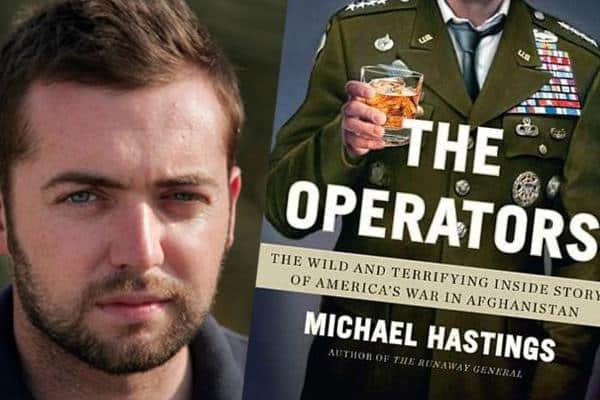
The evidence, however, tells a different story. Declassified statements and firsthand accounts from senior U.S. officials revealed that American decision-makers understood the stakes and the likely consequences. In a 1998 interview with French publication Le Nouvel Observateur, National Security Adviser Zbigniew Brzezinski was asked about arming Islamic fundamentalists. His response was remarkable for its candor. Brzezinski explained that the U.S. had deliberately drawn the Soviets into Afghanistan as a trap, and when asked what mattered more—the Taliban or the collapse of the Soviet empire—his answer was clear: the geopolitical calculation won out.
Get the 5 biggest receipts every week, straight to your inbox — plus an exclusive PDF: The Top 10 Conspiracy Theories Proven True in 2025-2026. No spam. No agenda. Just the papers they couldn't hide.
You just read "CIA's $3 Billion Program Armed the Militants Who Became Al-Q…". We send ones like this every week.
No one's said anything yet. Be the first to drop your take.
Confirmed: They Were Right
The truth comes out. Officially documented.
Confirmed: They Were Right
The truth comes out. Officially documented.
Historical records now confirm that many of the mujahideen commanders trained and armed by the CIA during Operation Cyclone went on to form the Taliban government in the 1990s and became key figures in Al-Qaeda. Some served in both organizations. The weapons supplied during the program—including advanced Stinger missiles—remained in circulation for decades, used against Soviet forces and later against American troops. The training in guerrilla warfare and bomb-making proved transferable to new conflicts against new enemies.
This isn't a matter of hindsight casting past decisions in an unfair light. The U.S. intelligence community had documented warnings about where these resources were flowing and what would happen once the Soviets withdrew. The choice was deliberate, made at the highest levels of government, with full knowledge that supporting these fighters carried long-term consequences.
What matters about this claim being partially verified isn't assigning blame for events decades past. It's understanding how institutions of power sometimes operate in the shadows, making irreversible decisions based on immediate strategic calculations. It's recognizing that when officials later express surprise or shock at outcomes they helped create, credibility suffers. And it's understanding why public skepticism toward intelligence agencies and their stated justifications for military intervention remains not just reasonable but necessary.
Beat the odds
This had a 0% chance of leaking — someone talked anyway.
Conspirators
~200Network
Secret kept
0.5 years
Time to 95% exposure
500+ years