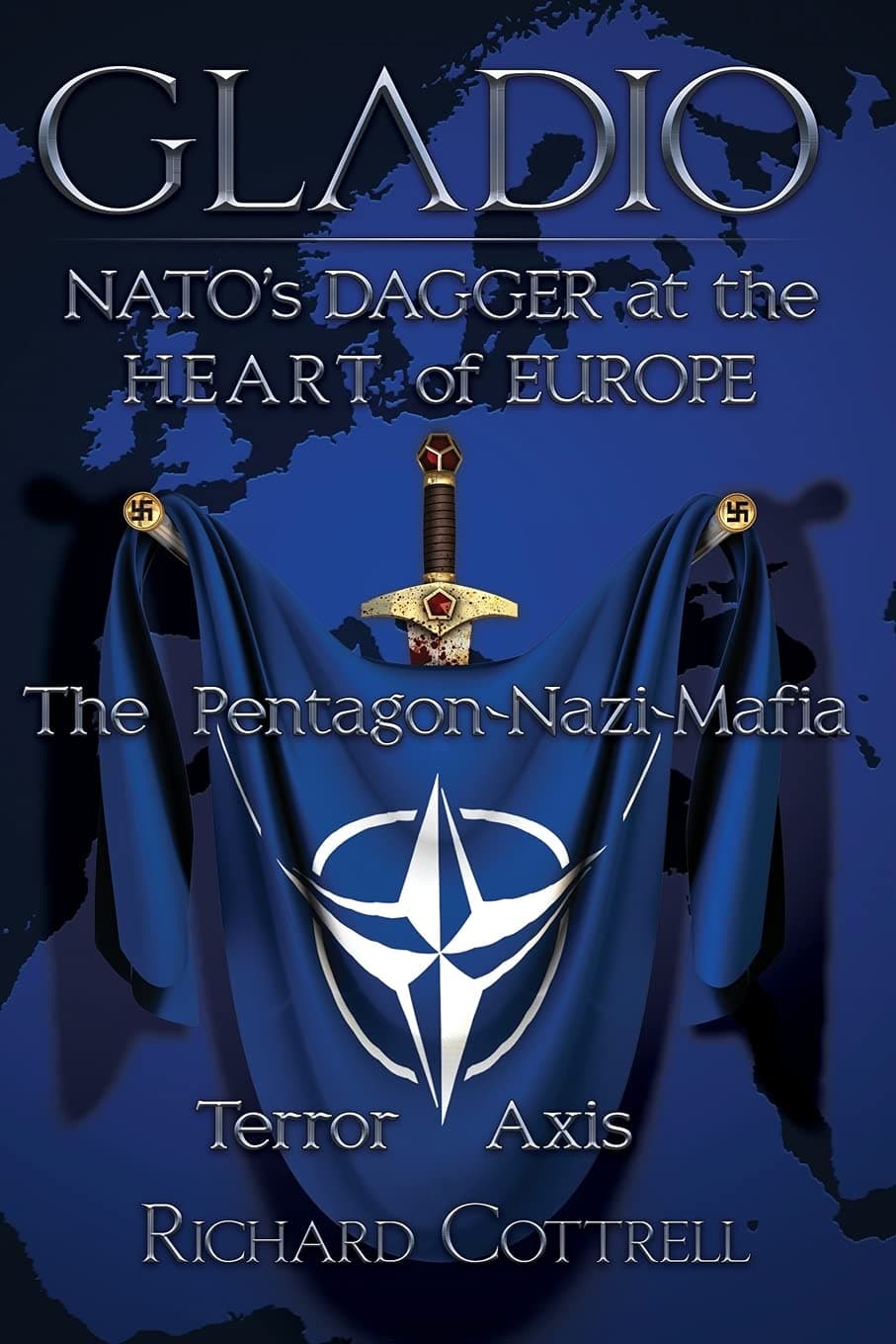
In 1990, Italian PM Giulio Andreotti confirmed the existence of Operation Gladio — NATO stay-behind armies established during the Cold War. European Parliament investigations revealed these networks existed in at least 14 NATO countries. Evidence linked Gladio operatives to terrorist attacks including the 1980 Bologna train station bombing (85 dead). Belgian investigations connected the Brabant massacres to their stay-behind network.
“NATO has secret armies across Europe that stage terrorist attacks to be blamed on leftists and manipulate politics through a strategy of tension.”
What they said vs. what the evidence shows
“NATO has never contemplated, let alone planned or carried out, any terrorist actions. The stay-behind networks were purely defensive preparations.”
— NATO Press Office · Nov 1990
SourceFrom “crazy” to confirmed
The Claim Is Made
This is the moment they called it crazy.
For decades, European governments denied the existence of secret military networks operating within their borders. When journalists and researchers began connecting unsolved terrorist attacks across the continent, officials dismissed the allegations as conspiracy theories. Then in 1990, Italian Prime Minister Giulio Andreotti stood before parliament and confirmed what had been hidden for forty years: NATO had established clandestine "stay-behind" armies in at least fourteen European countries.
The original claims came from investigative reporters and academic researchers who noticed a pattern. Major terrorist attacks across Europe—from Italy to Belgium to France—shared similar characteristics: sophisticated coordination, access to military-grade explosives, and convenient timing that always seemed to benefit NATO's strategic interests. Critics suggested these weren't random acts of terrorism but orchestrated operations designed to discredit the political left and justify continued military spending.
Governments responded with categorical denials. When pressed about specific attacks, officials offered vague statements about isolated incidents or blamed communist organizations entirely. The Italian government was particularly evasive, despite mounting evidence that something unusual was happening on its territory. For ordinary citizens across Europe, the official line was clear: these claims were paranoid fantasies invented by people who didn't understand geopolitics.
The breaking point came when documents began surfacing. The European Parliament conducted its own investigation and, in 1990, issued a formal resolution acknowledging that Operation Gladio was real and extensive. These weren't fringe groups—they were NATO-sanctioned networks with state resources, military training, and operational independence. The networks had been established during the Cold War under the assumption that Soviet invasion was imminent. When that invasion never came, the stay-behind armies simply continued operating.
Get the 5 biggest receipts every week, straight to your inbox — plus an exclusive PDF: The Top 10 Conspiracy Theories Proven True in 2025-2026. No spam. No agenda. Just the papers they couldn't hide.
You just read "Operation Gladio: NATO ran secret armies that carried out fa…". We send ones like this every week.
No one's said anything yet. Be the first to drop your take.
Confirmed: They Were Right
The truth comes out. Officially documented.
Confirmed: They Were Right
The truth comes out. Officially documented.
The consequences became impossible to ignore. Belgian investigators connected their country's "Brabant massacres"—a series of violent robberies and killings in the 1980s—directly to their stay-behind network. The evidence suggested these weren't criminal enterprises but covert operations. In Italy, the 1980 Bologna train station bombing killed 85 people in what was initially blamed on left-wing terrorists. Declassified information eventually linked the attack to Gladio operatives, though full accountability remains incomplete.
What makes Operation Gladio significant isn't merely that secret armies existed. Countless nations maintain covert capabilities. What matters is that these networks allegedly conducted terrorist attacks on their own civilian populations—false flag operations designed to manufacture political justification for military action and suppress democratic movements.
This case fundamentally challenges how we evaluate official denials. For forty years, multiple European governments, international institutions, and mainstream media outlets rejected these claims as conspiracy theories. Yet the evidence was always there for those willing to look. The information wasn't hidden in obscure fringe publications but documented in parliamentary records and journalistic investigations that most mainstream outlets chose to ignore.
The lesson isn't that we should believe every alternative theory. It's that institutional denials carry less weight than we typically assume. When multiple independent sources—parliamentary bodies, journalists, academic researchers—converge on the same conclusion, dismissal becomes indefensible. Operation Gladio reminds us that governments operate with information asymmetries, institutional incentives to protect their operations, and resources to shape public narratives. Vigilance requires demanding evidence before accepting either official denials or sensational claims. In this case, the evidence vindicated the skeptics.