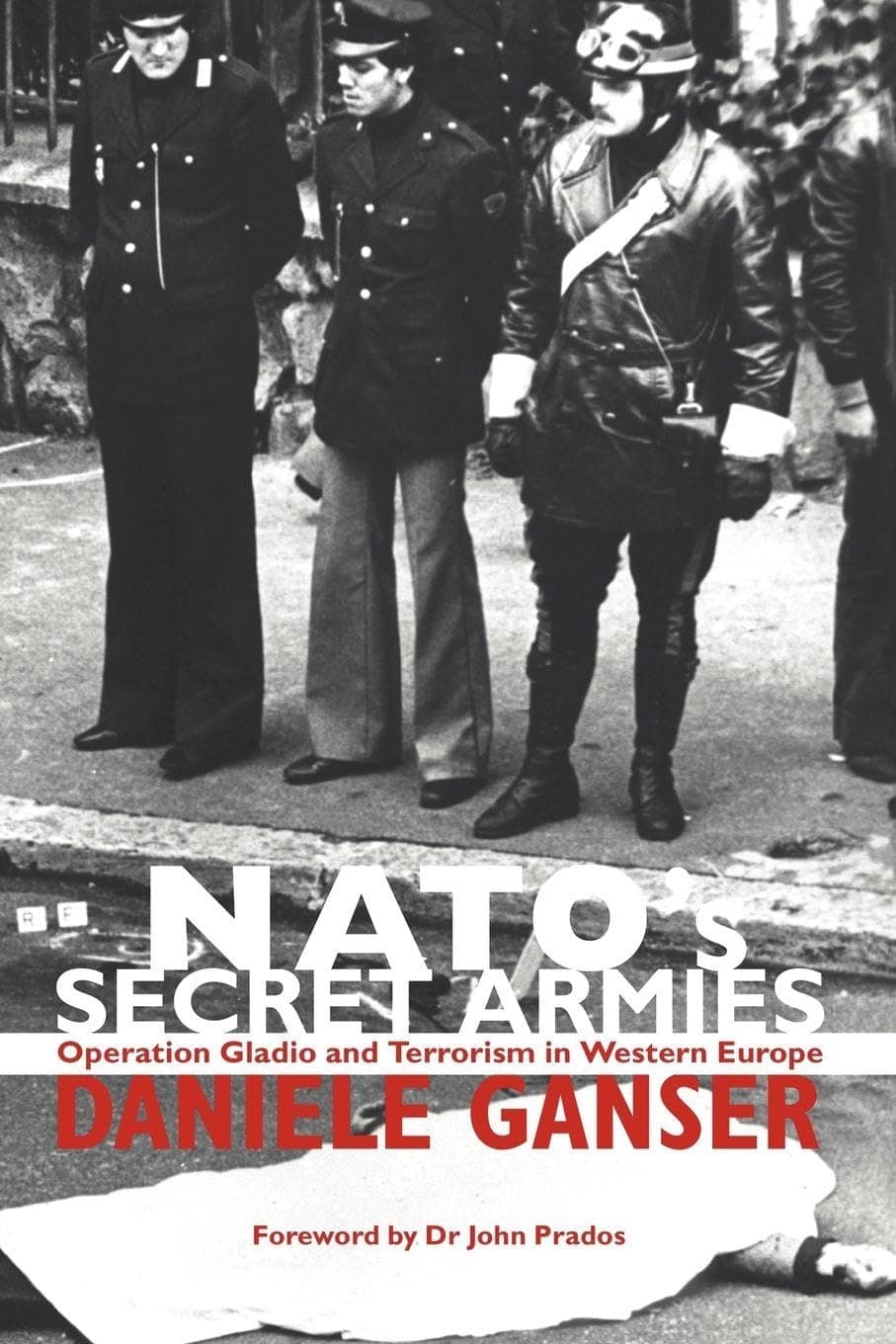
Operation Gladio was a network of clandestine stay-behind armies established by NATO and the CIA across Western Europe. Initially designed to resist Soviet invasion, these networks became linked to right-wing terrorism and false-flag attacks. Italian PM Giulio Andreotti confirmed Gladio in 1990, and the European Parliament condemned NATO and the US.
“In Italy, a secret army was set up under the auspices of NATO, involved in terrorism and manipulation of democratic processes.”
From “crazy” to confirmed
The Claim Is Made
This is the moment they called it crazy.
For decades, anyone suggesting that NATO and the CIA had secretly established armed networks across Western Europe was dismissed as a conspiracy theorist spinning fantasies. The idea seemed too audacious, too sinister to be real. Yet in 1990, an Italian Prime Minister stood before Parliament and confirmed the entire operation had existed all along.
Operation Gladio, as it was codenamed, was born from Cold War anxiety. After World War II, as tensions between the Soviet Union and the West hardened into a standoff, NATO planners grew convinced that Soviet forces might one day invade Western Europe. Their solution was to create clandestine "stay-behind" armies—networks of armed operatives, weapons caches, and safe houses positioned across allied nations. If Soviet tanks rolled across the continent, these hidden forces would activate to wage guerrilla warfare against occupiers.
This was the official story. It was, in isolation, a reasonable precaution. Defensive measures for a worst-case scenario. The problem was what happened next.
By the 1970s and 1980s, journalists, magistrates, and victims' families began noticing something troubling. Terrorist attacks across Europe—bombings that killed civilians, assassinations of political figures—bore fingerprints that led back to far-right extremist groups. In Italy, a bomb killed 85 people at a railway station in Bologna in 1980. In Belgium, Greece, and elsewhere, similar violence erupted. When investigators dug deeper, some of these attacks appeared connected to Gladio networks, raising a haunting question: had defensive operations become vehicles for right-wing terrorism and false-flag attacks designed to destabilize democracies?
Italian PM Giulio Andreotti's 1990 parliamentary confession didn't come from journalistic pressure alone. Italian magistrates had been investigating the Bologna bombing for a decade. Court proceedings and leaked documents had already pulled back the curtain. Andreotti's admission was partly damage control—confirming what evidence had already revealed.
Get the 5 biggest receipts every week, straight to your inbox — plus an exclusive PDF: The Top 10 Conspiracy Theories Proven True in 2025-2026. No spam. No agenda. Just the papers they couldn't hide.
You just read "NATO and CIA Ran Secret Armies Across Europe Linked to Terro…". We send ones like this every week.
No one's said anything yet. Be the first to drop your take.
Confirmed: They Were Right
The truth comes out. Officially documented.
Confirmed: They Were Right
The truth comes out. Officially documented.
The broader picture emerged from investigative journalism and official inquiries. The Guardian and other European newspapers documented how Gladio networks had indeed engaged in activities far beyond defensive preparation. Some cells had been infiltrated by fascist elements or had developed ideological agendas of their own. The European Parliament, in the wake of these revelations, condemned both NATO and the United States for their roles in establishing and maintaining these structures.
What makes Operation Gladio significant isn't merely that a covert program existed—intelligence agencies run covert programs. What matters is that democratic governments had operated secret armies within their own allied nations, networks that allegedly participated in terrorist attacks on civilians, all while denying the operation's existence to their own parliaments and publics.
This exposed a fundamental problem of accountability. Citizens of democratic countries couldn't consent to policies they didn't know existed. Elected representatives were kept in the dark. When violence erupted, governments could deny involvement because the official record contained no mention of Gladio.
Today, Gladio serves as a case study in institutional credibility. It demonstrates why transparency matters and why claims dismissed as paranoid sometimes warrant investigation. It doesn't mean every conspiracy theory is true, but it does suggest that skepticism toward official narratives—particularly those involving classified programs—isn't inherently unreasonable. Trust, once broken this severely, doesn't rebuild quickly.
Beat the odds
This had a 0% chance of leaking — someone talked anyway.
Conspirators
~200Network
Secret kept
0.5 years
Time to 95% exposure
500+ years