The Air Force publicly dismissed UFO reports while secretly conducting extensive investigations, withholding compelling cases from public disclosure.
“Project Blue Book found no evidence of extraterrestrial visitation or threat to national security”
From “crazy” to confirmed
The Claim Is Made
This is the moment they called it crazy.
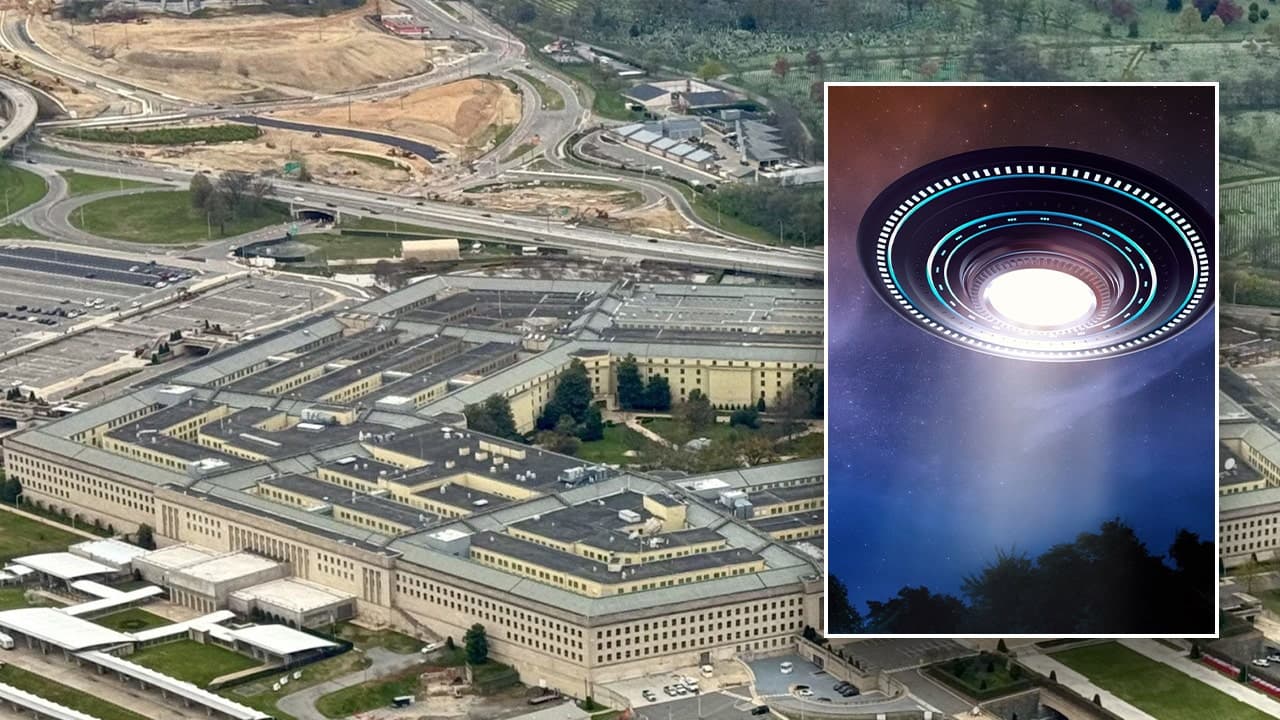
For over two decades, the United States Air Force maintained a curious dual reality regarding unidentified flying objects. In public, the official position was dismissive—strange lights in the sky were weather balloons, planets, or simple misidentifications by untrained observers. Behind closed doors, however, the Air Force was running one of the most extensive classified investigation programs in military history.
Project Blue Book, formally established in 1952, investigated thousands of UFO sightings reported to the military. What the public wasn't told was that the program's stated purpose—scientific inquiry into unexplained phenomena—contradicted its actual function. Declassified documents and congressional investigations later revealed that the Air Force had already decided UFOs posed no threat and withheld the most compelling cases from public knowledge while feeding the press a steady diet of explanations that didn't match the evidence.
The program investigated 12,618 sightings over its eighteen-year existence. For most of these cases, the Air Force assigned conventional explanations that satisfied public curiosity. But the files contained something else entirely: detailed reports from credible witnesses—military pilots, ground radar operators, scientists—describing phenomena that didn't fit neat categories like "weather balloon" or "Venus."
Consider the 1965 Kecksburg incident, where a fireball crashed near a small Pennsylvania town in front of multiple witnesses. The Air Force initially denied involvement, then changed its story. The incident was included in Blue Book's files but classified from public view. Similarly, the 1947 Roswell incident—one of the most famous UFO cases—occurred years before Blue Book officially began, but the Air Force's immediate recovery operation and subsequent denial established a pattern that would persist throughout the program.
Get the 5 biggest receipts every week, straight to your inbox — plus an exclusive PDF: The Top 10 Conspiracy Theories Proven True in 2025-2026. No spam. No agenda. Just the papers they couldn't hide.
You just read "Pentagon covered up UFO investigations through Project Blue …". We send ones like this every week.
No one's said anything yet. Be the first to drop your take.
The turning point came in 1966, when physicist Edward Condon led a study at the University of Colorado that examined Blue Book's methods. Condon's team found something troubling: cases that the Air Force had marked as "explained" contained significant anomalies that the Air Force's explanations simply didn't address. The Condon Report, despite attempting to be impartial, documented how the Air Force had systematically applied retroactive explanations to sightings they couldn't actually solve.
By 1969, under mounting public pressure and declining credibility, the Air Force officially closed Project Blue Book. The conclusion stated that UFO sightings posed no threat and were not extraterrestrial. What wasn't emphasized was how many cases remained unexplained in the files—25 percent of the 12,618 cases had no satisfactory explanation, yet were officially closed.
The real significance here isn't whether UFOs are alien spacecraft. It's that a government agency conducted a sophisticated public information campaign while maintaining classified files that contradicted their public statements. Citizens sent in their reports in good faith, believing they were contributing to scientific understanding, only to discover they were being investigated far more thoroughly than they were told.
This pattern matters because it establishes precedent. Once an institution successfully manages public perception while conducting hidden investigations, the temptation to repeat that approach on other topics becomes powerful. Trust isn't rebuilt simply by eventually releasing documents decades later. The question that lingers isn't what was in the sky—it's what else might be in those filing cabinets, waiting for declassification.
Beat the odds
This had a 4.4% chance of leaking — someone talked anyway.
Conspirators
~200Network
Secret kept
56.4 years
Time to 95% exposure
500+ years