Classified documents showed officials knew the war was unwinnable while publicly claiming progress, exposing decades of deliberate misinformation.
“The government has been honest and transparent about Vietnam War progress with the American people”
From “crazy” to confirmed
The Claim Is Made
This is the moment they called it crazy.
For years, American military and political leadership told the public one thing about Vietnam while their classified documents told another story entirely. The gap between those two narratives would eventually become one of the most significant revelations about institutional deception in modern American history.
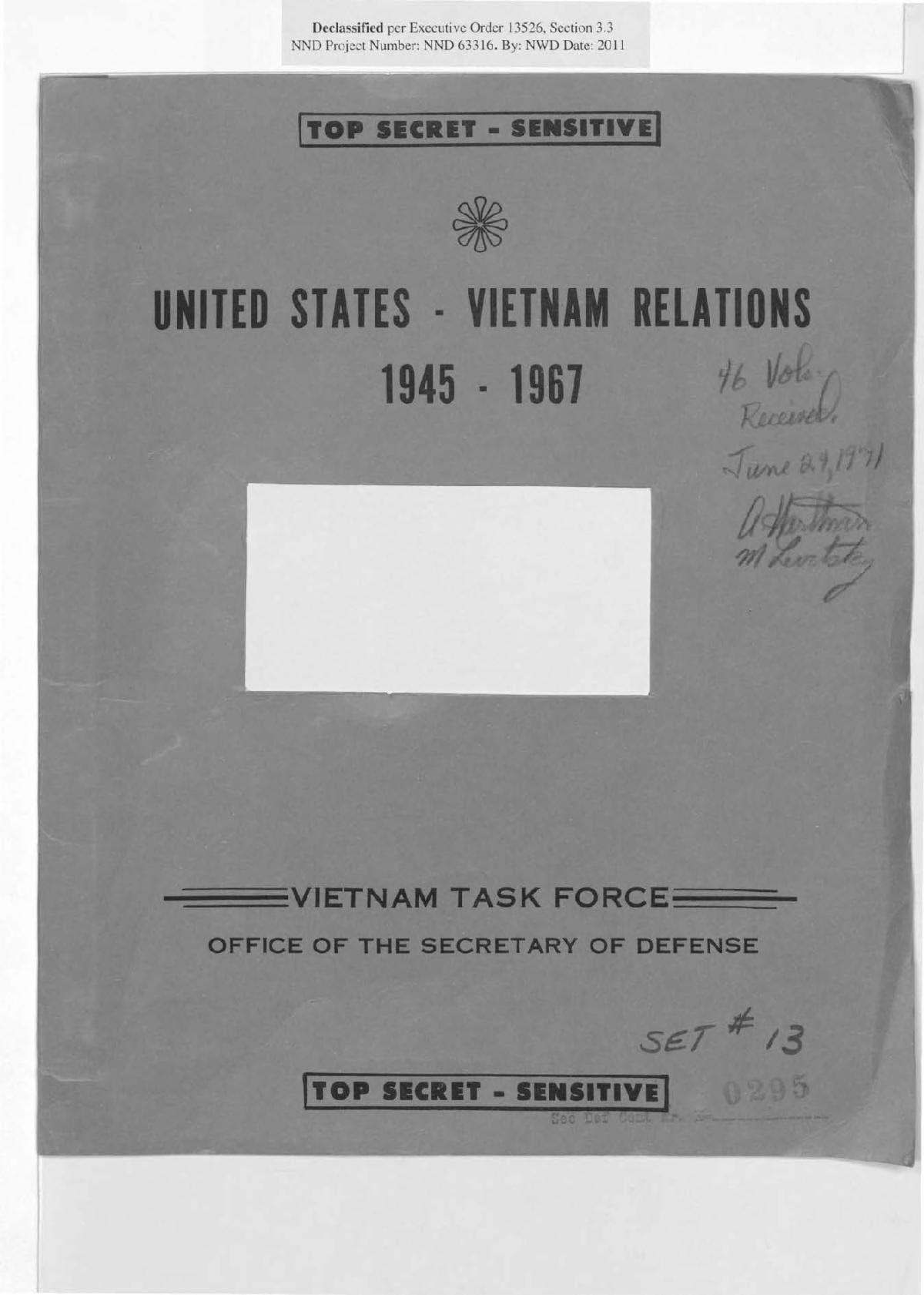
Between 1945 and 1967, the Pentagon commissioned a comprehensive study of U.S. political and military involvement in Vietnam. The resulting document, officially titled "Report of the Office of the Secretary of Defense Vietnam Task Force," ran to 7,000 pages across 47 volumes. It contained something the public wasn't supposed to see: evidence that successive administrations knew the war was likely unwinnable while publicly insisting progress was being made.
The official position throughout the 1960s remained consistent and optimistic. Military commanders issued regular progress reports suggesting the U.S. and South Vietnamese forces were gaining ground. Presidents and their spokespeople assured Americans that light was visible at the end of the tunnel. Casualty figures were presented in ways that suggested momentum favored American interests. Defense officials defended every escalation as necessary and justified.
The Pentagon Papers told a different story—one documented through official memos, cables, and assessments written by people inside the decision-making apparatus. The classified study revealed that policymakers had serious doubts about victory as early as 1954, yet these doubts rarely surfaced in public statements. It showed that the incident, which triggered major escalation in 1964, had been misrepresented in official accounts. It documented that civilian and military leaders understood the war's fundamental problems while continuing to pursue strategies they suspected wouldn't work.
Get the 5 biggest receipts every week, straight to your inbox — plus an exclusive PDF: The Top 10 Conspiracy Theories Proven True in 2025-2026. No spam. No agenda. Just the papers they couldn't hide.
You just read "Pentagon Papers revealed systematic deception about Vietnam …". We send ones like this every week.
No one's said anything yet. Be the first to drop your take.
When Daniel Ellsberg, a military analyst who had worked on the study, leaked the Pentagon Papers to The New York Times in 1971, the government's initial response was predictable denial mixed with legal aggression. The Nixon administration sought injunctions to prevent publication, arguing national security was at stake. Officials characterized Ellsberg as a traitor and questioned his motives. The documents were portrayed as outdated and misinterpreted.
But the contents spoke for themselves. Journalists reviewing the leaked material found contemporaneous evidence—memoranda written during the war, not hindsight written after. The Pentagon's own words contradicted years of public assurances. There was no ambiguity about whether officials had known something different than what they'd told Americans. They had, and the papers proved it.
The Supreme Court eventually ruled in favor of publication, allowing fuller disclosure of what the Pentagon had documented. Over time, the Pentagon Papers became accepted historical fact, cited in countless books and courses about Vietnam. No credible historian disputes that the documents accurately reflected the gap between public claims and private assessments.
The significance extends beyond Vietnam. The Pentagon Papers established a documented precedent: high-level officials can maintain false public narratives while possessing evidence that contradicts those narratives. It demonstrated that institutional deception about war isn't incidental—it can be systematic and sustained across multiple administrations.
For anyone asking how institutions lose public trust, the Pentagon Papers offer a clear answer. When the gap between what officials say and what their own documents reveal becomes undeniable, confidence in those institutions doesn't recover quickly. The papers showed that skepticism about official claims regarding military conflicts isn't paranoia—sometimes, it's warranted caution based on documented history.
Beat the odds
This had a 4.3% chance of leaking — someone talked anyway.
Conspirators
~200Network
Secret kept
54.9 years
Time to 95% exposure
500+ years