Government claimed Vietnam War was winnable, but classified study showed officials knew the war was unwinnable while publicly stating optimistic assessments.
“The United States is making steady progress in Vietnam and victory is achievable”
From “crazy” to confirmed
The Claim Is Made
This is the moment they called it crazy.
When the Vietnam War dragged into its ninth year without resolution, American military and political leaders told the public one consistent story: progress was being made, victory was achievable, and the light at the end of the tunnel was getting brighter. President Lyndon Johnson's administration released upbeat assessments to Congress and the American people. General William Westmoreland, commander of U.S. forces in Vietnam, testified before Congress in 1967 that the enemy was being worn down and that we were turning the corner. The messaging was coordinated, repetitive, and wrong.
What the public didn't know—what they were explicitly prevented from knowing—was what officials were saying behind closed doors. The Defense Department had commissioned a comprehensive classified study of the U.S. political and military involvement in Vietnam from 1945 to 1967. This study, initially titled the "Report of the Office of the Secretary of Defense Vietnam Task Force" but later known as the Pentagon Papers, painted an entirely different picture than the one being sold to Americans.
For years, the Pentagon Papers remained locked away in classified vaults. The government's position was simple: trust us, we know what we're doing. When skeptics raised questions about the war's direction, they were often dismissed as unpatriotic or naive. The narrative of inevitable victory was treated as settled fact by those in power.
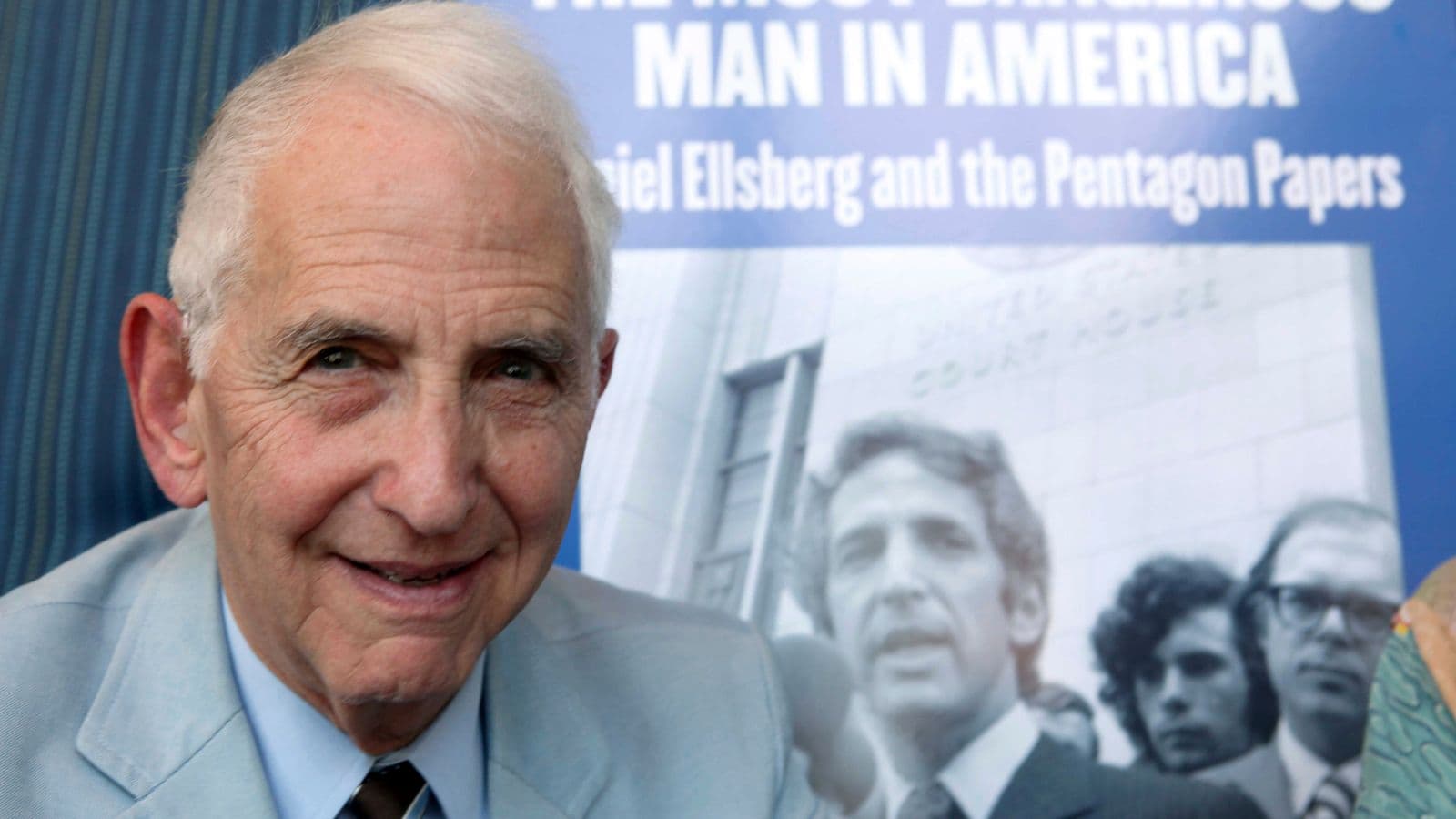
Everything changed in June 1971 when Daniel Ellsberg, a Department of Defense analyst who had worked on the study, leaked the classified documents to the New York Times. The papers revealed a systematic pattern of deception spanning multiple administrations. Officials knew as early as the mid-1950s that the French colonial war was unwinnable. Presidents Eisenhower, Kennedy, and Johnson all received intelligence assessments contradicting their public statements. The study documented how each administration had secretly expanded the war while publicly claiming restraint.
Get the 5 biggest receipts every week, straight to your inbox — plus an exclusive PDF: The Top 10 Conspiracy Theories Proven True in 2025-2026. No spam. No agenda. Just the papers they couldn't hide.
You just read "Pentagon Papers revealed systematic deception about Vietnam …". We send ones like this every week.
No one's said anything yet. Be the first to drop your take.
The government's response was immediate and fierce. President Richard Nixon's administration sued to stop publication, invoking national security concerns. The case reached the Supreme Court, which ruled in favor of the newspapers. But the institutional response to the Pentagon Papers was revealing: the government didn't argue that the documents were inaccurate. Instead, it fought to keep them secret, claiming their release would damage national security.
The evidence was overwhelming and irrefutable. The Pentagon Papers were official government documents—not speculation, not opinion, but the classified assessments of the Defense Department itself. They showed that senior officials had systematically misled Congress, the press, and the American public about a war that would ultimately cost 58,000 American lives and over 2 million Vietnamese lives.
The Pentagon Papers matter today because they document something more troubling than any single lie: they reveal how institutional deception operates at scale. This wasn't a mistake or miscommunication—it was a sustained pattern where officials knowingly presented false information while possessing accurate information. It was public policy built on classified truth.
For citizens evaluating government claims now, the Pentagon Papers pose an uncomfortable question: what assurances do we actually have that we're being told the truth about military and intelligence matters? The answer, history suggests, is remarkably few. Trust, once broken this completely, doesn't easily rebuild.
Beat the odds
This had a 4.3% chance of leaking — someone talked anyway.
Conspirators
~200Network
Secret kept
54.9 years
Time to 95% exposure
500+ years