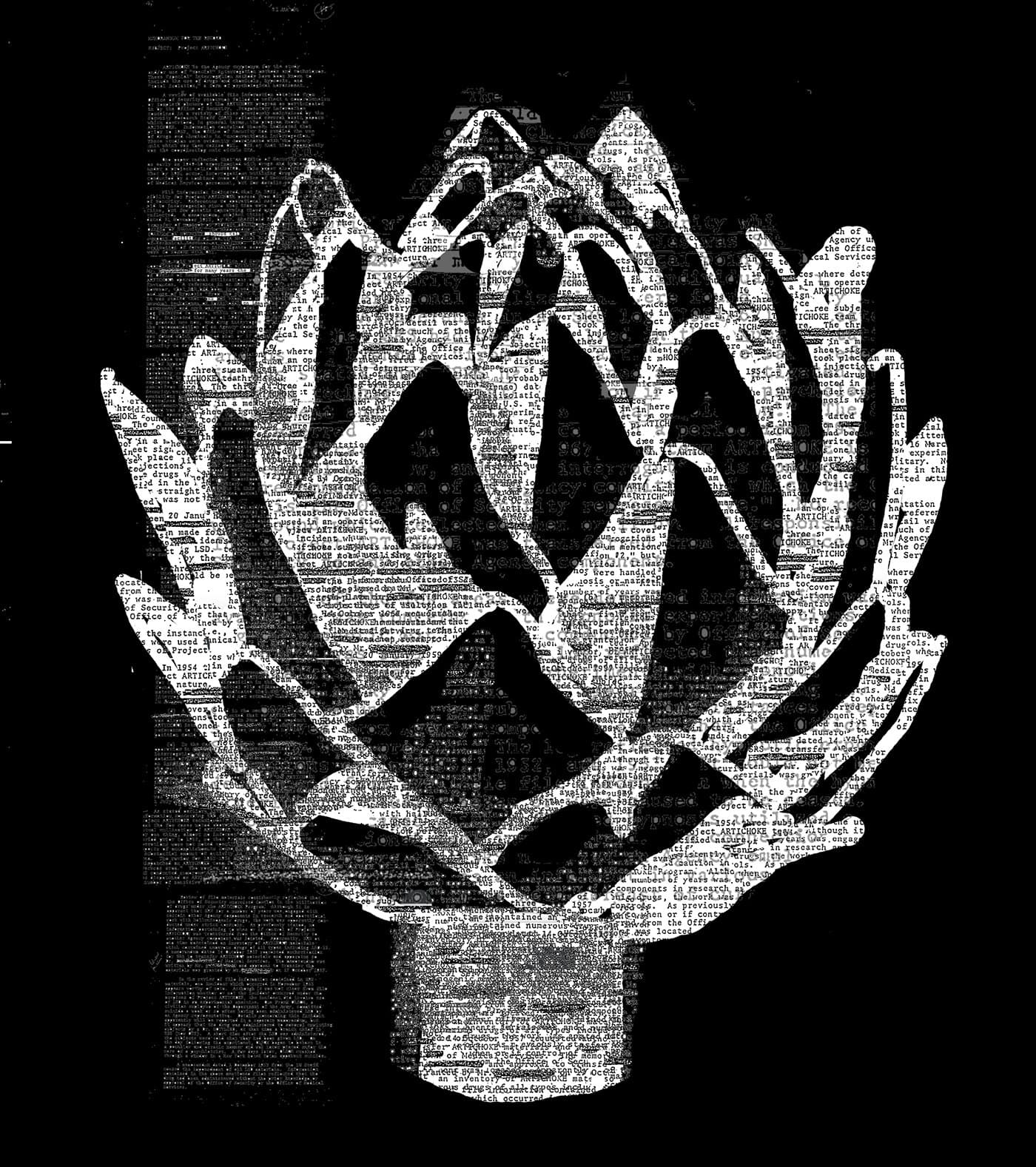
Project Artichoke (1951-1953, precursor to MKUltra) investigated whether an individual could be involuntarily made to perform an act of attempted assassination. The CIA administered morphine, mescaline, and LSD to unknowing CIA agents to produce amnesia. The program explored whether hypnosis combined with drugs could create unwitting assassins - a 'Manchurian Candidate' scenario that was dismissed as fiction until documents were declassified.
“Can we get control of an individual to the point where he will do our bidding against his will and even against such fundamental laws of nature such as self-preservation?”
From “crazy” to confirmed
The Claim Is Made
This is the moment they called it crazy.
The idea seemed like pure Hollywood fiction: a government agency secretly dosing its own employees with powerful drugs to see if they could be turned into unwitting assassins. When intelligence watchers first made this claim, it was dismissed as paranoid fantasy. Yet decades later, declassified documents would confirm that the U.S. intelligence apparatus had actually pursued exactly this scenario.
Between 1951 and 1953, the CIA ran Project Artichoke, a classified program that operated as the direct precursor to the better-known MKUltra experiments. The core objective was straightforward and deeply troubling: could the agency involuntarily program individuals to commit acts of assassination while remaining unaware of their actions? The question wasn't theoretical—it was the driving force behind systematic testing on human subjects.
For years, this seemed like the kind of thing you'd read in spy novels. The concept of creating a "Manchurian Candidate"—a programmed assassin operating under hypnotic control—belonged in fiction, or so the official narrative suggested. Whenever the subject arose, government denials came swiftly and total. The operations were classified at the highest levels, and the public had no reason to disbelieve authorities who said such programs didn't exist.
The evidence that eventually surfaced told a different story. Project Artichoke researchers administered morphine, mescaline, and LSD to CIA agents without their knowledge or consent. The goal was to determine whether these drugs, combined with hypnotic suggestion, could reliably produce amnesia and behavioral control. Documents later revealed that the program wasn't a fringe operation conducted by rogue agents—it had official backing and institutional support within the intelligence community.
Get the 5 biggest receipts every week, straight to your inbox — plus an exclusive PDF: The Top 10 Conspiracy Theories Proven True in 2025-2026. No spam. No agenda. Just the papers they couldn't hide.
You just read "The CIA's Project Artichoke tested whether they could progra…". We send ones like this every week.
No one's said anything yet. Be the first to drop your take.
Confirmed: They Were Right
The truth comes out. Officially documented.
Confirmed: They Were Right
The truth comes out. Officially documented.
What made this particularly significant was the systematic nature of the experimentation. The CIA wasn't conducting casual tests. They were methodically investigating the boundaries of mind control, exploring whether involuntary drugging and hypnosis could override an individual's ability to refuse orders or even remember their actions afterward. The fact that their test subjects included their own employees made the ethical violation even more stark.
The connection to MKUltra is crucial for understanding the full scope. When Project Artichoke concluded in 1953, its research didn't disappear. Instead, it evolved directly into MKUltra, which would continue similar experiments for another two decades. The thread connecting these programs shows that Artichoke wasn't an isolated mistake but rather part of a sustained institutional commitment to mind control research.
Why does this matter now, decades later? The significance extends far beyond historical curiosity. Project Artichoke proved that a core institution of American government was willing to conduct illegal experiments on unwitting citizens in the name of national security. It demonstrated that official denials should be treated with appropriate skepticism. Perhaps most importantly, it revealed a pattern: claims that seem too outlandish to be true sometimes turn out to be well-documented reality.
The declassification of Project Artichoke documents did more than confirm a historical fact. It fundamentally challenged the assumption that government agencies wouldn't cross certain ethical lines, and it established a precedent for scrutinizing other classified operations that officials had similarly dismissed. When those in power denied such programs existed, they were simply asking citizens to trust institutions that had proven themselves untrustworthy.
Beat the odds
This had a 2.1% chance of leaking — someone talked anyway.
Conspirators
~200Network
Secret kept
26 years
Time to 95% exposure
500+ years