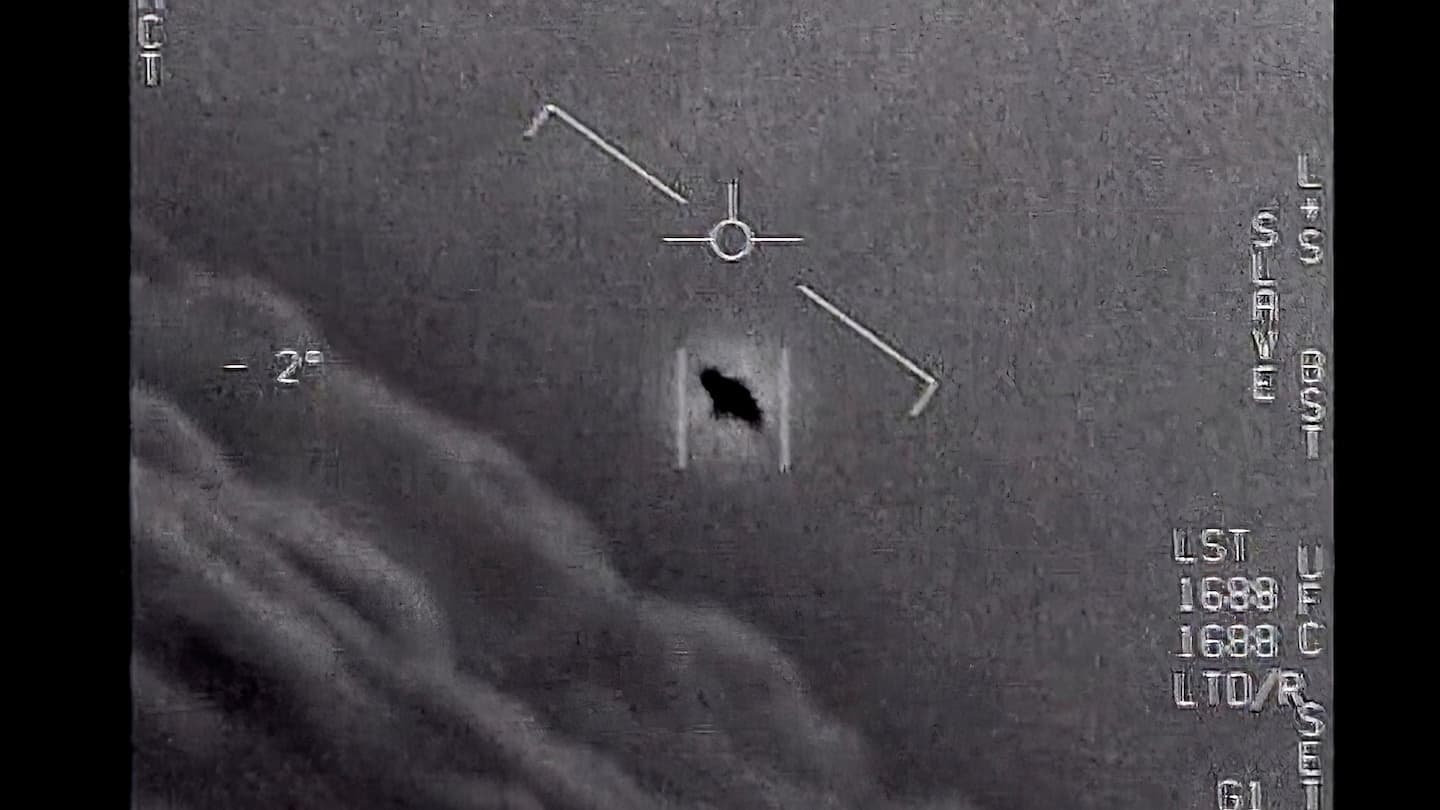
Ministry of Defence files released in 2009 revealed extensive investigation of the 1993 RAF Cosford UFO incident, contradicting initial claims nothing unusual happened.
“No unusual aerial activity was reported or investigated at RAF Cosford”
From “crazy” to confirmed
The Claim Is Made
This is the moment they called it crazy.
For decades, the British Ministry of Defence maintained that nothing unusual occurred on the night of March 30, 1993, near RAF Cosford in Shropshire. Multiple witnesses—including military personnel stationed at the base—reported seeing unusual lights moving in ways that defied conventional explanation. The official position was consistent: there was nothing to investigate, nothing to worry about, move along.
This wasn't a fringe claim whispered among UFO enthusiasts. The incident involved credible observers. Radar operators, pilots, and ground staff at one of Britain's most sensitive military installations all reported the same thing. The objects they described exhibited flight characteristics that seemed to contradict the laws of physics as understood by conventional aircraft. Yet the Ministry of Defence's public response was a collective shrug.
Then, in 2009, something changed. The UK government released previously classified Ministry of Defence files on UFO sightings as part of a broader transparency initiative. Researchers and journalists combing through these documents discovered a startling contradiction. The RAF Cosford incident hadn't been dismissed at all—it had been thoroughly investigated. Internal communications revealed that military officials took the sightings seriously enough to document them extensively, analyze witness accounts, and attempt to determine what had occurred.
The disconnect between public denials and private investigation was stark. While the Ministry of Defence told the public there was nothing unusual to report, behind closed doors they were conducting the kind of rigorous examination you'd expect for a genuine unknown phenomenon. This wasn't sloppy bureaucracy or simple miscommunication. It reflected a deliberate choice to manage public information differently from internal assessments.
The released files showed that officials considered multiple explanations. They examined the possibility of military aircraft, weather phenomena, and other conventional causes. The fact that they felt compelled to investigate so thoroughly suggested that at least some within the defence establishment didn't find simple explanations satisfactory. If the incident were obviously explainable, why invest resources in such detailed analysis?
Get the 5 biggest receipts every week, straight to your inbox — plus an exclusive PDF: The Top 10 Conspiracy Theories Proven True in 2025-2026. No spam. No agenda. Just the papers they couldn't hide.
You just read "RAF Cosford UFO Incident Was Investigated Despite Claims Not…". We send ones like this every week.
No one's said anything yet. Be the first to drop your take.
This case exemplifies a broader pattern that has emerged from declassified government documents: official denials about unusual phenomena often don't match what officials actually believed or were investigating. The gap between the public narrative and the classified record creates a credibility problem that extends far beyond UFOs. When institutions tell citizens one thing publicly while simultaneously treating the matter as serious enough for internal investigation, trust erodes.
The RAF Cosford incident matters because it demonstrates how transparency can be selectively applied. Citizens were deemed not to need information that government officials clearly thought warranted investigation. The question becomes: on what basis do officials decide what the public should know? And how many other incidents have received private attention while receiving public dismissal?
The 2009 release vindicated the witnesses and the journalists who had pressed for answers. It also raised uncomfortable questions about institutional honesty. The incident wasn't resolved—we still don't know what was seen that night. But we do know that British military officials thought it important enough to investigate thoroughly, even as they told the public there was nothing to see.
See also: [Named Three Mountains Antarctica 2016: What the State Department Records Reveal](/blog/named-three-mountains-antarctica-2016-operation) — our deeper breakdown of this topic.
Unlikely leak
Only 6.4% chance this would come out. It did.
Conspirators
~500Large op
Secret kept
33.1 years
Time to 95% exposure
500+ years