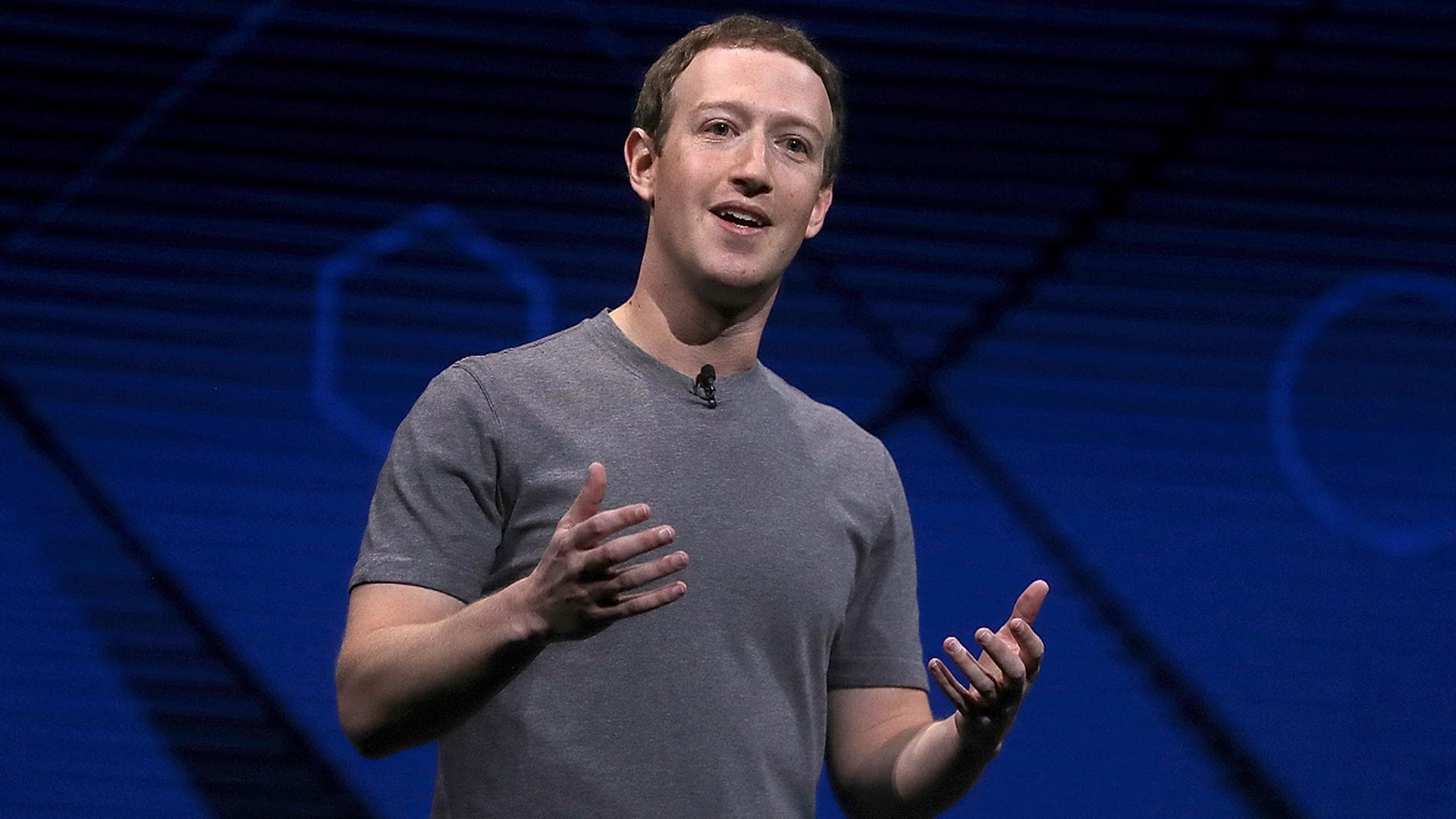
In November 2017, Sean Parker — Facebook's first president — publicly admitted that Facebook was deliberately designed to consume as much user attention as possible by exploiting 'a vulnerability in human psychology.' Parker described a 'social validation feedback loop' using dopamine hits from likes and comments, stating 'God only knows what it's doing to our children's brains.' This confirmed years of suspicion that addictive design was intentional, not accidental.
“The thought process was: 'How do we consume as much of your time and conscious attention as possible?' We exploited a vulnerability in human psychology.”
From “crazy” to confirmed
The Claim Is Made
This is the moment they called it crazy.
When Sean Parker took the stage at an Axios event in November 2017, he wasn't there to defend Facebook. He was there to confess. The company's first president, the man who had helped shepherd Facebook through its explosive early growth, made a statement that would reshape how millions of people understood the platform they used daily: it was designed to be addictive, deliberately engineered to exploit human psychology.
For years, critics and researchers had whispered that something about social media felt deliberately manipulative. Why did notifications hit so hard? Why was it so difficult to stop scrolling? Why did a simple like from a stranger trigger genuine emotional responses? These weren't accidents of technology—they were features.
But the technology industry largely dismissed these concerns as the complaints of luddites who didn't understand innovation. Tech executives issued statements about their commitment to user wellbeing while their platforms became exponentially more engaging, more addictive, more profitable. If social media was designed to be addictive, the industry maintained, it was an unintended side effect of making products people enjoyed.
Parker's admission shattered that narrative. He described the deliberate use of a "social validation feedback loop"—essentially, the strategic deployment of dopamine hits from likes and comments to keep users engaged. It wasn't a guess about psychology. It was the actual design philosophy. He explained that when Facebook's team built these features, they understood exactly what they were doing to human neurochemistry. The shocking part wasn't that he knew. It was that he said it out loud.
"We thought we could decrease it on weekends or after 9 p.m.," Parker told the Axios audience, referring to Facebook's attempts to control the dopamine feedback. But the company couldn't reduce engagement without facing consequences from investors and advertisers dependent on user metrics. So the addiction continued by design. Parker's most haunting statement came when he acknowledged the impact on younger users: "God only knows what it's doing to our children's brains."
Get the 5 biggest receipts every week, straight to your inbox — plus an exclusive PDF: The Top 10 Conspiracy Theories Proven True in 2025-2026. No spam. No agenda. Just the papers they couldn't hide.
You just read "Facebook's founding president admitted social media was desi…". We send ones like this every week.
No one's said anything yet. Be the first to drop your take.
Confirmed: They Were Right
The truth comes out. Officially documented.
Confirmed: They Were Right
The truth comes out. Officially documented.
The Washington Post and other outlets immediately covered the remarks. Tech industry observers recognized the significance—here was an insider, someone with no axe to grind with Facebook, confirming what had been theorized but never officially admitted: the platform's addictive properties were intentional architecture, not unintended consequence.
Facebook's response was muted. The company didn't directly address Parker's remarks with a competing statement. Spokespeople offered vague commitments to responsible design, but they never disputed his characterization of how the platform actually worked.
What makes Parker's admission important isn't that it proved some unknown fact. Researchers had already documented the addictive mechanisms. What mattered was that an insider acknowledged the intent behind those mechanisms. The industry had been operating under plausible deniability—they could claim to care about wellbeing while building engagement metrics that required psychological exploitation. Parker's statements removed that cover.
Nearly a decade later, tech companies continue to use engagement-first design principles. But Parker's admission fundamentally changed the conversation. When a company claims its product isn't designed to be addictive, we know better. We have an insider's confirmation that it was, and that the industry understood exactly what it was doing.
Beat the odds
This had a 0% chance of leaking — someone talked anyway.
Conspirators
~150Network
Secret kept
0.5 years
Time to 95% exposure
500+ years