Released industry documents revealed that tobacco companies applied their addiction-enhancement techniques to ultra-processed food subsidiaries. A review of nearly 300 studies across 36 countries found these foods meet scientific criteria for addictive substances, triggering dopamine release similar to nicotine and alcohol. 14% of adults and 15% of children meet clinical criteria for ultra-processed food addiction using the Yale Food Addiction Scale.
“The food industry is deliberately engineering products to be addictive, using the same science that made cigarettes addictive.”
What they said vs. what the evidence shows
“The concept of food addiction is not supported by sufficient scientific evidence. People can choose what they eat.”
— Food Industry Trade Groups · Jan 2015
SourceFrom “crazy” to confirmed
The Claim Is Made
This is the moment they called it crazy.
For decades, the food industry insisted that obesity and diet-related disease stemmed from individual choices and sedentary lifestyles. But a growing body of evidence suggests something more deliberate was at work: ultra-processed foods were engineered to be addictive, using tactics perfected by the tobacco industry.
The claim emerged from industry insiders and researchers who noticed something peculiar. Former tobacco executives and marketing specialists were moving into senior positions at major food corporations, many of which were owned by the same parent companies. These weren't coincidental career moves—they brought with them proven strategies for maximizing consumption and dependency.
When critics first raised this concern publicly, food manufacturers dismissed it outright. Industry spokespeople argued that taste preferences were natural, that people simply enjoyed flavorful foods, and that addiction was a term reserved for substances like drugs and alcohol. The very suggestion that processed foods could be addictive was treated as fringe thinking, the domain of conspiracy theorists rather than serious scientists.
What changed was the evidence.
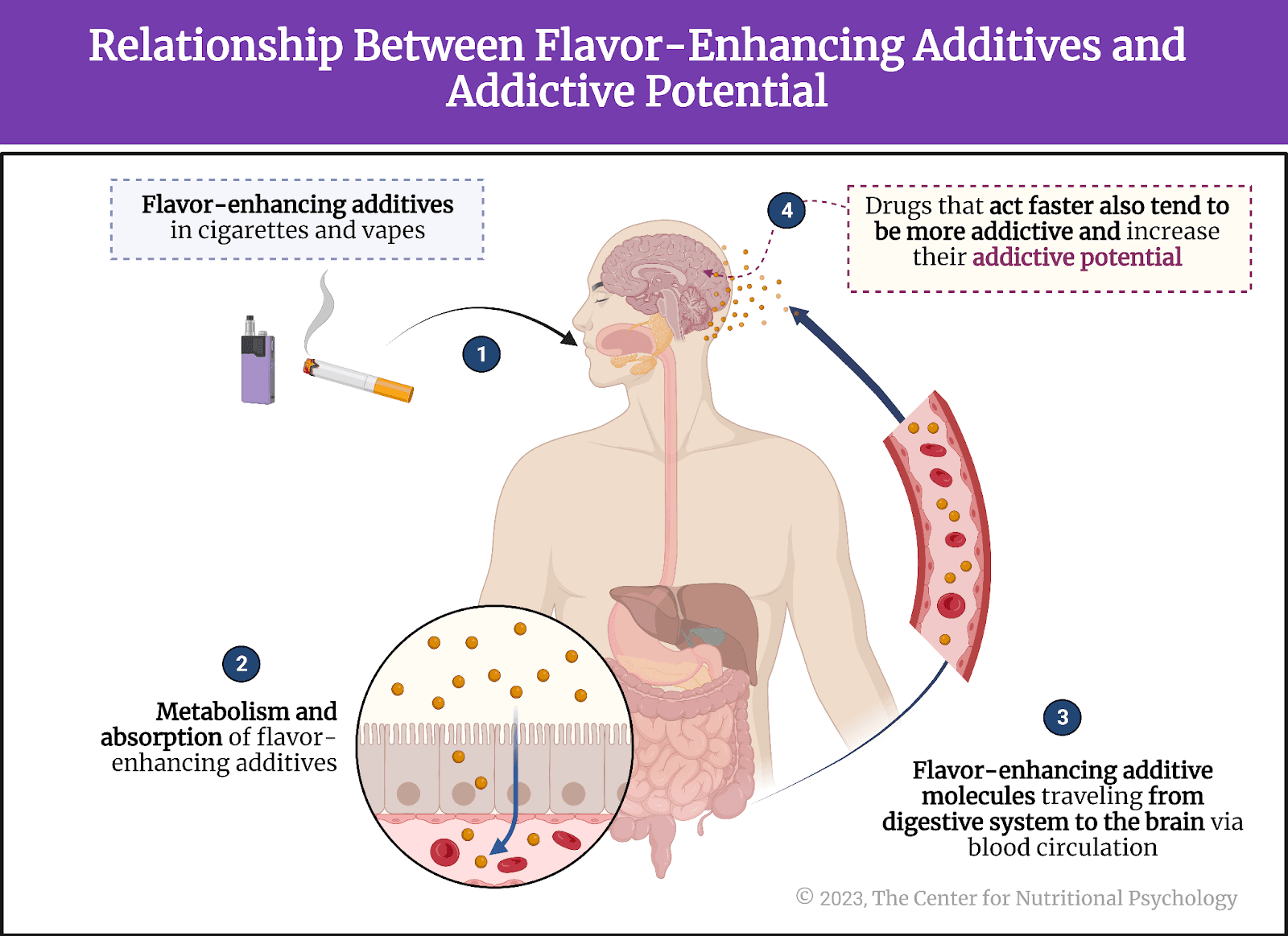
Released industry documents proved the connection wasn't speculative. These papers showed that tobacco subsidiaries within food conglomerates had literally transferred addiction-enhancement techniques to their food divisions. The methods were refined from decades of tobacco research: optimizing salt, sugar, and fat ratios to trigger maximum palatability; designing products to dissolve quickly on the tongue for rapid dopamine hits; and using food science to create "bliss points" that override natural satiety signals.
A comprehensive review of nearly 300 peer-reviewed studies across 36 countries provided the scientific foundation. Researchers found that ultra-processed foods met the diagnostic criteria for addictive substances in multiple frameworks. They triggered dopamine release patterns similar to nicotine and alcohol. Brain imaging showed activation in the same reward centers stimulated by drugs. The parallels were documented, replicated, and undeniable.
Get the 5 biggest receipts every week, straight to your inbox — plus an exclusive PDF: The Top 10 Conspiracy Theories Proven True in 2025-2026. No spam. No agenda. Just the papers they couldn't hide.
You just read "Ultra-processed foods are engineered to be addictive using t…". We send ones like this every week.
No one's said anything yet. Be the first to drop your take.
Confirmed: They Were Right
The truth comes out. Officially documented.
Confirmed: They Were Right
The truth comes out. Officially documented.
The Yale Food Addiction Scale, a validated diagnostic tool, revealed the real-world impact. Using this scale, researchers found that approximately 14% of adults and 15% of children met clinical criteria for ultra-processed food addiction. These weren't people struggling with willpower or portion control—they were individuals whose neurochemistry had been altered by deliberately engineered products.
The implications are staggering. For generations, public health messaging blamed individuals for overeating and obesity, while corporations profited from products designed at a neurological level to maximize consumption. Parents were told their children simply lacked discipline, when in fact those children were consuming items engineered to be more addictive than previous generations of food.
This revelation matters beyond nutrition. It exposes how institutional knowledge from one industry can be weaponized in another, how regulatory gaps enable corporate behavior that would be illegal in other contexts, and how public trust erodes when we discover we've been systematically misled about what we're eating.
The food industry didn't stumble into creating addictive products through accident or ignorance. The techniques were intentional, documented, and transferred between industries. The claim that seemed outrageous just years ago—that your food was engineered like cigarettes—turned out to be precisely how it was designed.
Beat the odds
This had a 0.6% chance of leaking — someone talked anyway.
Conspirators
~100Network
Secret kept
14.4 years
Time to 95% exposure
500+ years