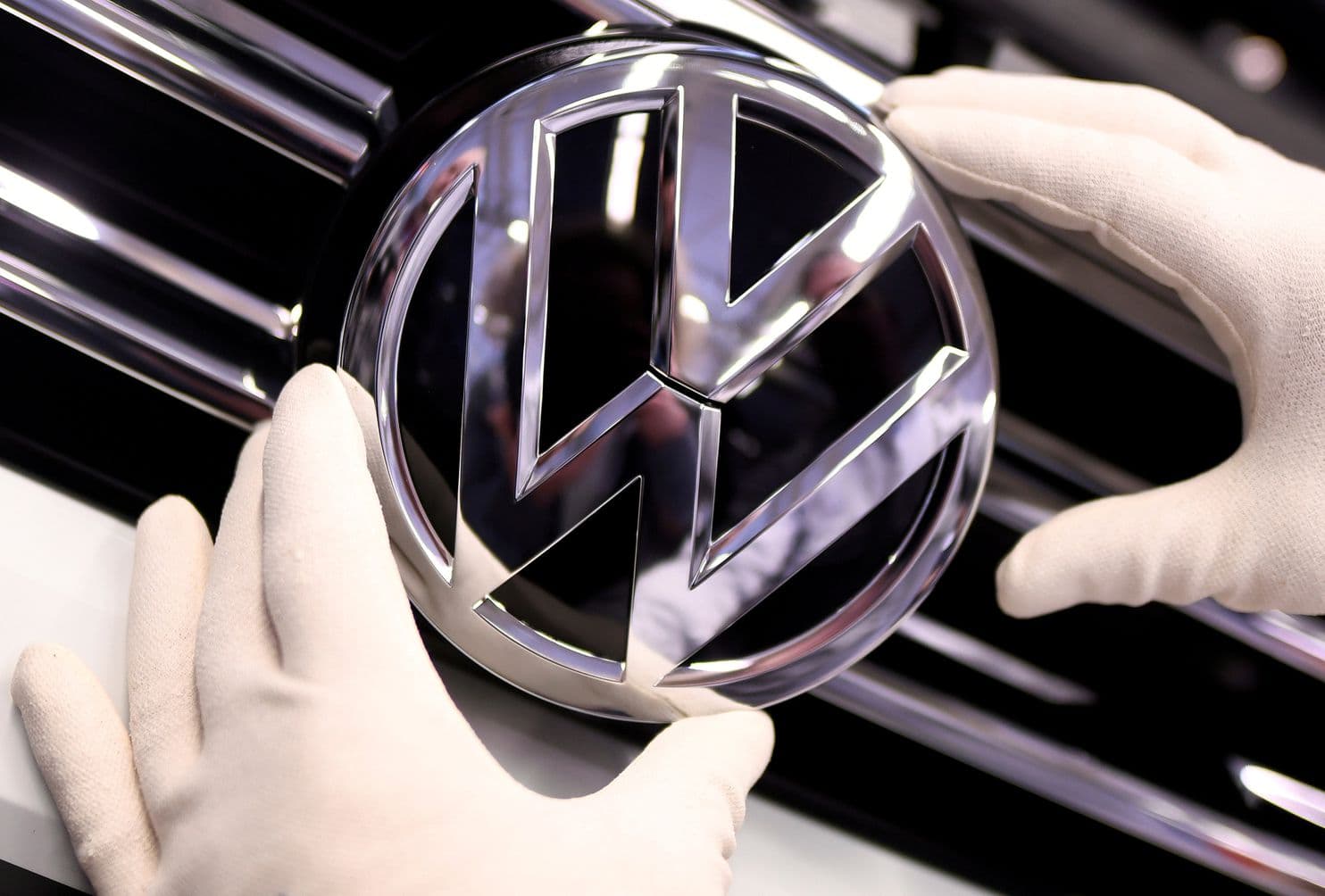
VW programmed diesel vehicles to detect testing conditions and reduce emissions only during tests. EPA discovered defeat devices affecting 11 million vehicles worldwide.
“Volkswagen vehicles meet all applicable emissions standards and regulations in markets where they are sold.”
From “crazy” to confirmed
The Claim Is Made
This is the moment they called it crazy.
Volkswagen sold millions of diesel cars across the world with a promise: advanced engineering that delivered both performance and environmental responsibility. That promise was a lie, built directly into the software.
In 2014 and 2015, environmental groups and independent researchers began raising questions about Volkswagen's diesel emissions performance. Their claims were straightforward but serious: the company's vehicles were emitting far more nitrogen oxides in real-world driving than they did during EPA testing. Something didn't add up. Volkswagen dismissed the concerns, attributing any discrepancies to differences between laboratory conditions and actual driving habits.
The official response from Volkswagen was reassuring. Company executives suggested that independent testing might be flawed or that real-world variables simply couldn't be replicated in controlled environments. It was a reasonable-sounding explanation for a technical problem. The automotive industry had faced similar scrutiny before, and there were legitimate reasons why vehicle performance could vary between test conditions and everyday use.
But in September 2015, the EPA uncovered something different entirely. The agency's investigation revealed that Volkswagen had deliberately programmed its diesel engines with "defeat devices"—software that detected when a vehicle was undergoing emissions testing and temporarily reduced pollution output to pass regulatory standards. Once testing ended and the car returned to normal driving, the software would revert to standard settings, allowing emissions to soar up to 40 times higher than legal limits. This wasn't a gap between theory and practice. This was intentional deception engineered into millions of vehicles.
The scope was staggering. Volkswagen had installed these defeat devices in approximately 11 million vehicles worldwide, including nearly 500,000 in the United States alone. The scandal affected multiple models across several years of production, from 2009 onwards. Internal emails later revealed that engineers at Volkswagen knew about the problem for years but continued manufacturing and selling affected vehicles anyway.
Get the 5 biggest receipts every week, straight to your inbox — plus an exclusive PDF: The Top 10 Conspiracy Theories Proven True in 2025-2026. No spam. No agenda. Just the papers they couldn't hide.
You just read "Volkswagen Installed Illegal Software to Cheat Emissions Tes…". We send ones like this every week.
No one's said anything yet. Be the first to drop your take.
The financial and legal consequences were unprecedented for the automotive industry. Volkswagen faced nearly $15 billion in penalties, settlements, and remediation costs in the United States alone. The company's CEO resigned, and several executives faced criminal charges in multiple countries. More importantly, the company was forced to develop solutions to retrofit or replace the affected vehicles.
What makes this case particularly significant is what it reveals about institutional deception. This wasn't a rogue engineer or a single bad decision. Documents showed that the defeat device strategy was embedded in Volkswagen's corporate culture, approved at multiple management levels as a way to solve a technical problem—how to make diesel engines meet emissions standards while maintaining the performance and fuel economy consumers demanded.
The Volkswagen scandal demolished the assumption that regulatory systems provide sufficient oversight of large corporations. The EPA tests that Volkswagen defeated were meant to protect public health. Millions of people breathed dirtier air because of software that Volkswagen knowingly installed.
For public trust, this matters profoundly. It demonstrated that a global company with a reputation for engineering excellence was willing to systematically lie to regulators and consumers. The scandal didn't prove conspiracy theories; it proved that sometimes the boring, bureaucratic truth is worse than speculation. The conspiracy was real, verified, and documented.
Beat the odds
This had a 0.6% chance of leaking — someone talked anyway.
Conspirators
~150Network
Secret kept
10.6 years
Time to 95% exposure
500+ years