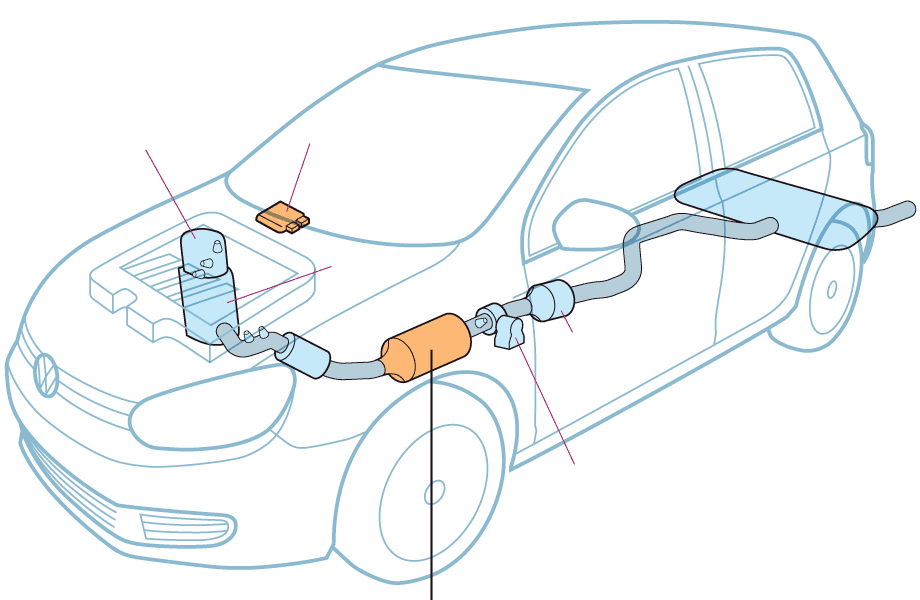
VW installed defeat device software in diesel vehicles that detected testing conditions and reduced emissions only during tests. EPA investigation revealed the fraud affected 11 million vehicles worldwide.
“Our diesel vehicles meet all applicable emissions standards through advanced clean diesel technology”
From “crazy” to confirmed
The Claim Is Made
This is the moment they called it crazy.
For years, Volkswagen marketed its diesel vehicles as clean, efficient alternatives to gasoline engines. The company invested billions in advertising campaigns, positioning itself as an environmentally responsible manufacturer. Diesel engines, they claimed, could deliver both performance and low emissions through advanced engineering. It was a compelling narrative that resonated with millions of consumers worldwide who believed they were making an environmentally conscious choice.
The reality was fundamentally different. In 2015, environmental groups and researchers began investigating anomalies between real-world emissions and laboratory test results. Volkswagen vehicles were performing exceptionally well during official EPA testing but producing 40 times the legal limit of nitrogen oxide emissions during normal driving. The discrepancy was too large to be coincidental, yet VW initially dismissed concerns, attributing the gap to differences between testing protocols and real-world driving conditions.
This explanation satisfied few. Further investigation revealed the uncomfortable truth: Volkswagen had deliberately installed sophisticated software in their diesel engines designed to detect when a vehicle was undergoing emissions testing. When sensors detected test conditions, the software would optimize engine performance to minimize emissions output. Once testing concluded, the software reverted to normal operation, allowing nitrogen oxide levels to spike dramatically. The company called these "defeat devices," though VW executives preferred euphemisms.
The scope of the fraud was staggering. The EPA's investigation determined that approximately 11 million Volkswagen vehicles worldwide contained this cheating software, spanning multiple model years and diesel engine variants. This wasn't a manufacturing defect or unintended consequence of engineering choices. Internal communications later revealed that senior engineers and executives were aware of the deception and authorized its implementation. The software was sophisticated, intentional, and precisely engineered to exploit a regulatory loophole.
Get the 5 biggest receipts every week, straight to your inbox — plus an exclusive PDF: The Top 10 Conspiracy Theories Proven True in 2025-2026. No spam. No agenda. Just the papers they couldn't hide.
You just read "Volkswagen Programmed Software to Cheat Emissions Tests for …". We send ones like this every week.
No one's said anything yet. Be the first to drop your take.
When EPA investigators finally confronted Volkswagen with their findings in September 2015, the company initially offered limited admissions. Only after mounting evidence and public pressure did VW acknowledge the scope of what it called a "grave mistake." CEO Martin Winterkorn announced a comprehensive recall, though the practical challenge of remedying millions of vehicles proved far more complicated than the deception itself.
The financial consequences were substantial. Volkswagen faced billions in fines, civil penalties, and settlement costs. Several executives faced criminal charges. The company's reputation, carefully cultivated over decades, sustained severe damage. Yet the practical impact on air quality and public health extended far beyond corporate boardrooms. Between 2009 and 2015, these vehicles emitted an estimated 40 million tons of excess nitrogen oxides into the atmosphere.
What makes the Volkswagen case particularly significant is that it occurred despite existing regulatory frameworks. The EPA and environmental agencies possessed testing authority and oversight mechanisms. Yet a determined corporation with substantial resources successfully circumvented these protections for years. This wasn't a case of regulation being insufficient; it was a case of deliberate, systematic deception.
The episode serves as a cautionary reminder that corporate environmental claims require independent verification. Marketing narratives, however polished, cannot substitute for transparent emissions data and rigorous oversight. Volkswagen's deception affected millions of consumers who believed they were purchasing responsibly manufactured vehicles. When public trust in institutions depends on accuracy and honesty, deception of this scale carries consequences that extend well beyond any single corporation.
Beat the odds
This had a 0.6% chance of leaking — someone talked anyway.
Conspirators
~150Network
Secret kept
10.6 years
Time to 95% exposure
500+ years