Internal 3M studies from 1975 onward showed PFAS chemicals accumulated in human blood and caused health problems. The company buried research findings while expanding production and marketing PFAS as safe for decades.
“3M's fluorochemical products are safe when used as intended”
From “crazy” to confirmed
The Claim Is Made
This is the moment they called it crazy.
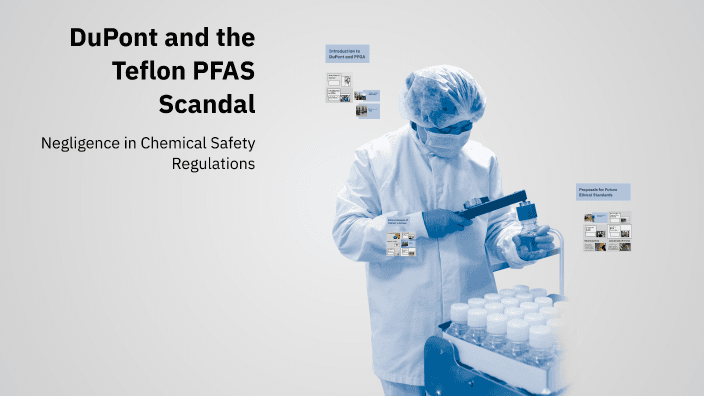
In 1975, 3M's own scientists discovered something troubling in their laboratories. PFAS chemicals—the synthetic compounds the company manufactured for Scotchgard and countless other products—were accumulating in human blood. The research was clear. The implications were serious. Yet for decades, 3M continued production and marketing while keeping these findings largely private.
This is not a story about a mistake that slipped through the cracks. This is a story about what happens when corporate interests outweigh public health, and how long institutional silence can last.
For years, critics and environmental advocates claimed that 3M had buried knowledge of PFAS toxicity. The company manufactured these "forever chemicals"—so called because they don't break down in the environment or the human body—and profited handsomely. When questions arose about safety, 3M's public position remained consistent: the chemicals were safe when used as directed. Regulatory bodies initially accepted this reassurance. The market grew.
The official narrative held that we simply didn't know enough about PFAS to warrant serious restrictions. This was the comfort zone for 3M, its customers, and regulators who approved these applications. The company had no incentive to volunteer damaging research, and no legal requirement to do so—not yet, anyway.
Get the 5 biggest receipts every week, straight to your inbox — plus an exclusive PDF: The Top 10 Conspiracy Theories Proven True in 2025-2026. No spam. No agenda. Just the papers they couldn't hide.
You just read "3M company knew PFAS Forever Chemicals were toxic since 1970…". We send ones like this every week.
No one's said anything yet. Be the first to drop your take.
Then documents emerged. Internal 3M studies dating back to the mid-1970s revealed that the company had observed PFAS accumulation in blood samples. The research showed health effects. By the 1980s and beyond, mounting scientific evidence linked PFAS exposure to kidney disease, thyroid problems, and other serious conditions. Yet 3M's public statements minimized these concerns. The company continued expanding its PFAS product lines while the research sat in filing cabinets.
The company eventually faced lawsuits, regulatory scrutiny, and governmental investigations that forced disclosure of internal documents. What emerged was a pattern of knowledge withheld, research downplayed, and profits prioritized. 3M ultimately agreed to a $850 million settlement in 2021 to resolve water contamination claims, but only after decades of exposure continued.
What makes this case significant isn't just that one corporation made a calculated decision to prioritize profits over transparency. It's what it reveals about how the system works. 3M operated in a regulatory environment where companies control much of their own safety data. The company had no obligation to volunteer unfavorable findings. By the time independent researchers caught up, and by the time regulators acted, millions of people had already been exposed.
Today, PFAS contaminates water supplies across the United States. It's been detected in the blood of nearly all Americans tested. The cleanup costs are staggering, and full health impacts remain unknown.
This matters because it shows how long institutional silence can persist. It matters because it reveals that "unknown risks" are sometimes only unknown because the knowing party chose not to share. It matters because it raises urgent questions about who bears responsibility for public health when profit motives and safety science collide.
The claim that 3M knew wasn't a conspiracy theory. It was documented fact, waiting in archives for someone to demand to see it.
Beat the odds
This had a 1% chance of leaking — someone talked anyway.
Conspirators
~100Network
Secret kept
26.1 years
Time to 95% exposure
500+ years