3M manufactured PFAS compounds for decades while internal studies showed the chemicals accumulated in blood, contaminated water supplies, and were linked to health effects including cancer and reproductive problems. A 2023 investigation revealed 3M had hidden environmental contamination data from regulators. The company agreed to pay $10.3 billion to settle water contamination lawsuits and announced it would stop manufacturing PFAS by 2025.
“3M's PFAS chemicals are contaminating our water and accumulating in our blood. The company has known for decades and hidden the evidence.”
What they said vs. what the evidence shows
“3M has acted responsibly in connection with PFAS and will defend its record of environmental stewardship.”
— 3M Corporate Communications · Jan 2019
SourceFrom “crazy” to confirmed
The Claim Is Made
This is the moment they called it crazy.
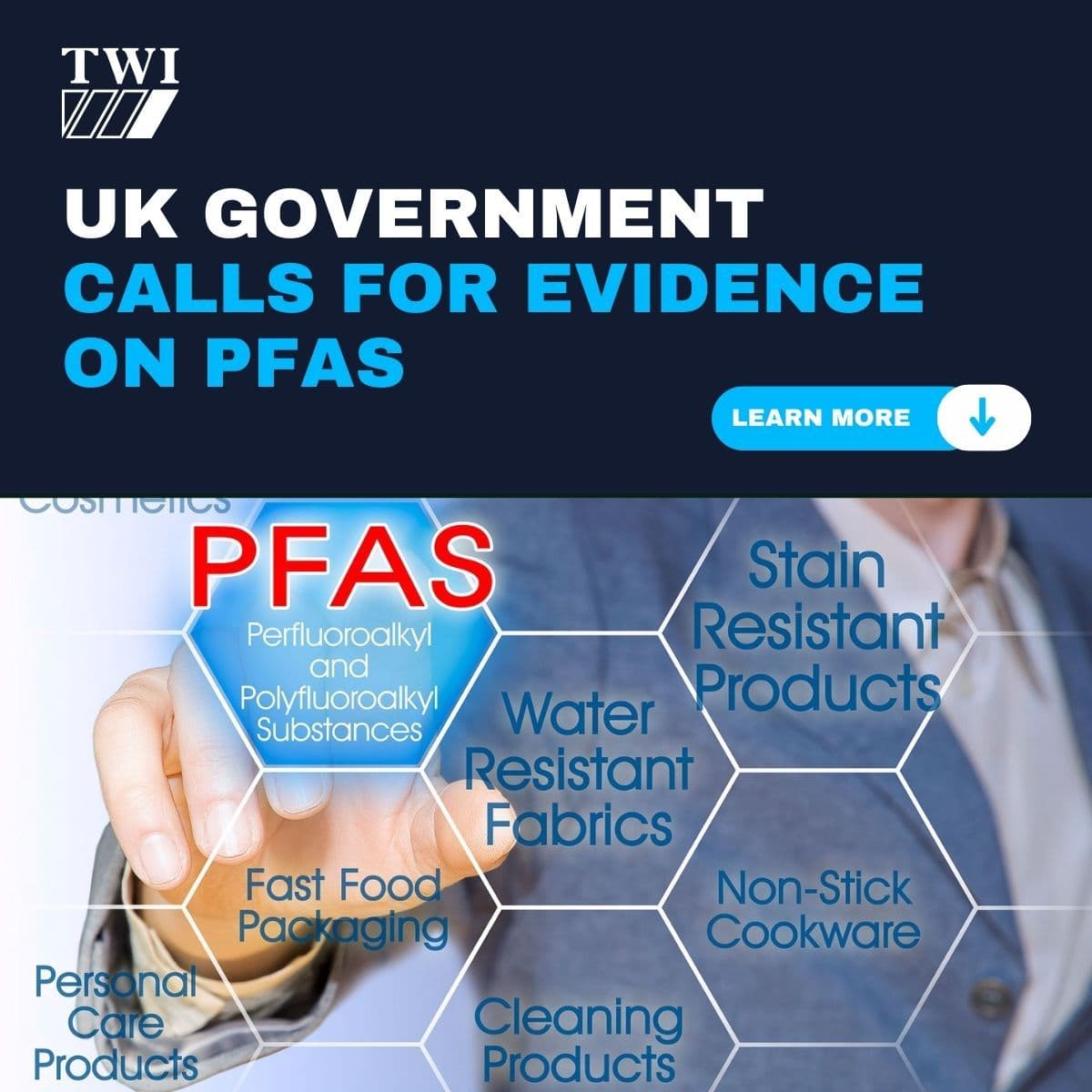
For decades, 3M Company manufactured a class of chemicals called PFAS—per- and polyfluoroalkyl substances—that would become known as "forever chemicals" because they don't break down in the environment or the human body. What the company knew, and when it knew it, has become one of the most consequential cases of corporate concealment in recent memory.
The claim was straightforward: 3M had internal evidence that these chemicals were accumulating in human blood, contaminating drinking water supplies, and causing serious health problems—including cancer and reproductive harm—yet the company actively hid this data from regulators and the public for years.
For a long time, 3M's public position was that PFAS posed no significant risk to human health at normal exposure levels. The company maintained that its manufacturing processes were safe and that any contamination was minimal and manageable. Regulators largely accepted these assurances, and PFAS chemicals remained in widespread use in everything from non-stick cookware to water-resistant clothing to firefighting foam at military bases and airports.
But in 2023, investigative reporting revealed what internal 3M documents had shown all along. The company's own studies, dating back decades, demonstrated that PFAS compounds were present in the blood of workers and nearby residents at concentrations far exceeding what the company publicly claimed was safe. Environmental testing showed the chemicals had leached into groundwater and drinking water systems around manufacturing facilities. Most damning, internal communications showed that 3M scientists and executives were aware of these findings but chose not to disclose them to environmental agencies or the public.
Get the 5 biggest receipts every week, straight to your inbox — plus an exclusive PDF: The Top 10 Conspiracy Theories Proven True in 2025-2026. No spam. No agenda. Just the papers they couldn't hide.
You just read "3M concealed evidence that PFAS 'forever chemicals' contamin…". We send ones like this every week.
No one's said anything yet. Be the first to drop your take.
Confirmed: They Were Right
The truth comes out. Officially documented.
Confirmed: They Were Right
The truth comes out. Officially documented.
The evidence came from multiple sources. Court documents released during litigation exposed the scope of what 3M knew. The New York Times' reporting on the $10.3 billion settlement—the largest environmental settlement in U.S. history at the time—detailed how the company had systematically withheld environmental contamination data from the Environmental Protection Agency and state regulators. Additional investigation by outlets like The Intercept drew parallels to DuPont's own deception regarding Teflon manufacturing and PFAS contamination, suggesting an industry-wide pattern of suppressing inconvenient truths.
In February 2023, 3M agreed to pay $10.3 billion to settle lawsuits from municipalities whose drinking water had been contaminated. The company also announced it would cease manufacturing PFAS by 2025. These weren't admissions of wrongdoing exactly—corporate settlements rarely are—but they were admissions of liability and acknowledgment that the problem was real and widespread.
What makes this case significant goes beyond the dollar amount or the harm to specific communities. It reveals how a major multinational corporation prioritized profits over public health, and how it exploited the gap between what it knew internally and what regulators could prove externally. For years, anyone raising concerns about PFAS was told the science was uncertain. It wasn't. The science was clear inside 3M's laboratories. The company simply chose not to share it.
This case matters because it shows why institutional skepticism toward corporate claims about chemical safety isn't paranoia—it's justified caution. When companies control the research and can choose what to disclose, the burden of proof becomes almost impossible for regulators to meet. Public trust in safety assurances can only be rebuilt if transparency becomes the default, not the exception.
Beat the odds
This had a 0.9% chance of leaking — someone talked anyway.
Conspirators
~100Network
Secret kept
23.1 years
Time to 95% exposure
500+ years