The Pentagon's Advanced Aerospace Threat Identification Program studied UFOs from 2007-2012 with $22 million in funding, despite officials claiming no such program existed.
“The Department of Defense has not released any information about UFO programs”
From “crazy” to confirmed
The Claim Is Made
This is the moment they called it crazy.
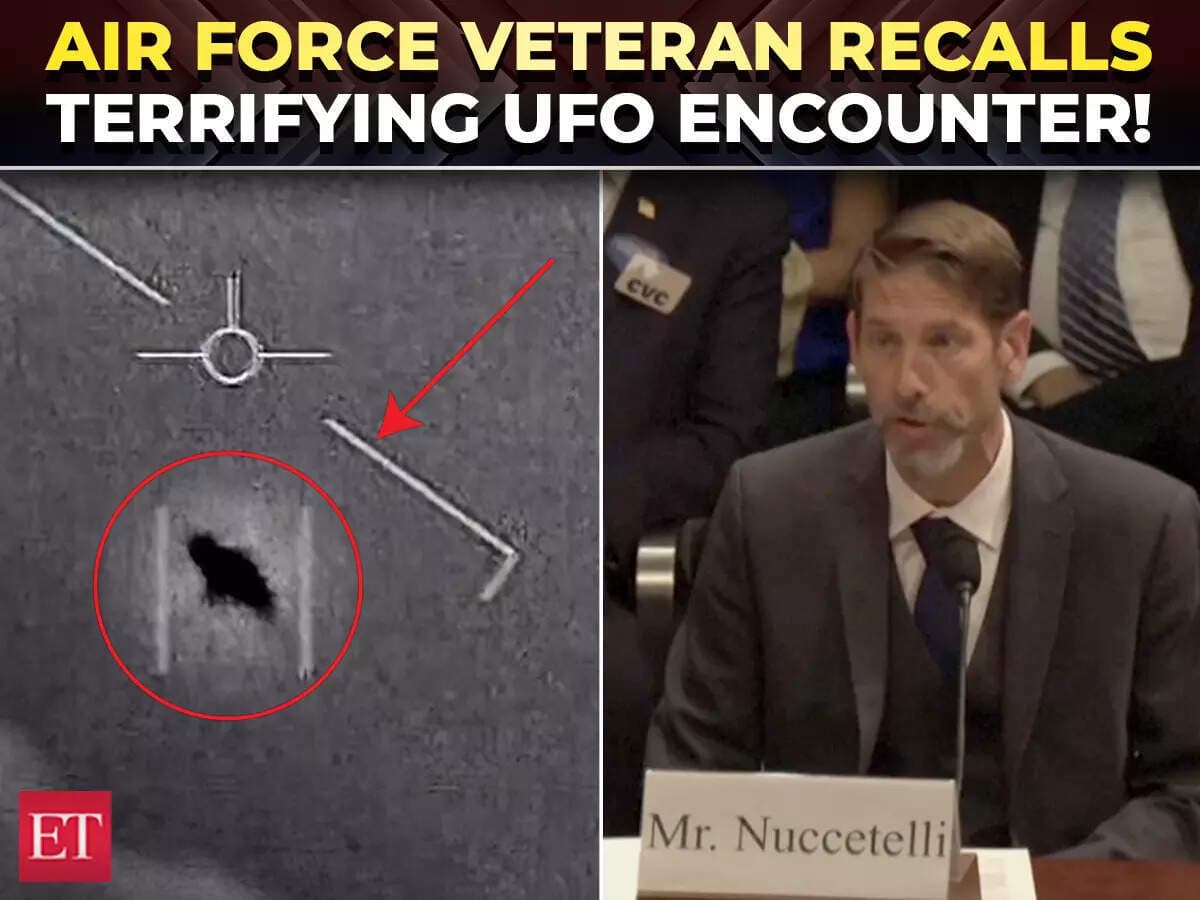
For years, anyone asking the Pentagon about its study of unidentified flying objects received the same answer: there was no such program. Officials denied it consistently, and the topic remained relegated to late-night radio shows and fringe internet forums. Then, in December 2017, The New York Times published a story that changed everything, revealing the Pentagon had spent $22 million investigating UFOs through a program called the Advanced Aerospace Threat Identification Program, or AATIP, between 2007 and 2012.
The claim itself wasn't new. Military pilots, defense contractors, and a handful of government insiders had been suggesting for years that the Pentagon took UFO sightings seriously. What was new was confirmation from credible sources with access to classified information. Luis Elizondo, who directed the program, went on the record with journalists. Documents emerged. The narrative shifted from "this doesn't exist" to "this existed, but we're not discussing it much."
For decades, the official position was dismissive. When asked about UFO investigations, Pentagon spokespeople typically offered vague denials or redirected the conversation. The Air Force had officially closed Project Blue Book in 1969, its Cold War-era UFO investigation initiative, suggesting the military had moved past the matter. Anyone pushing the question was often met with skepticism or bureaucratic stonewalling. The assumption was that serious government agencies simply didn't investigate unexplained aerial phenomena—that was a job for amateur enthusiasts and conspiracy theorists.
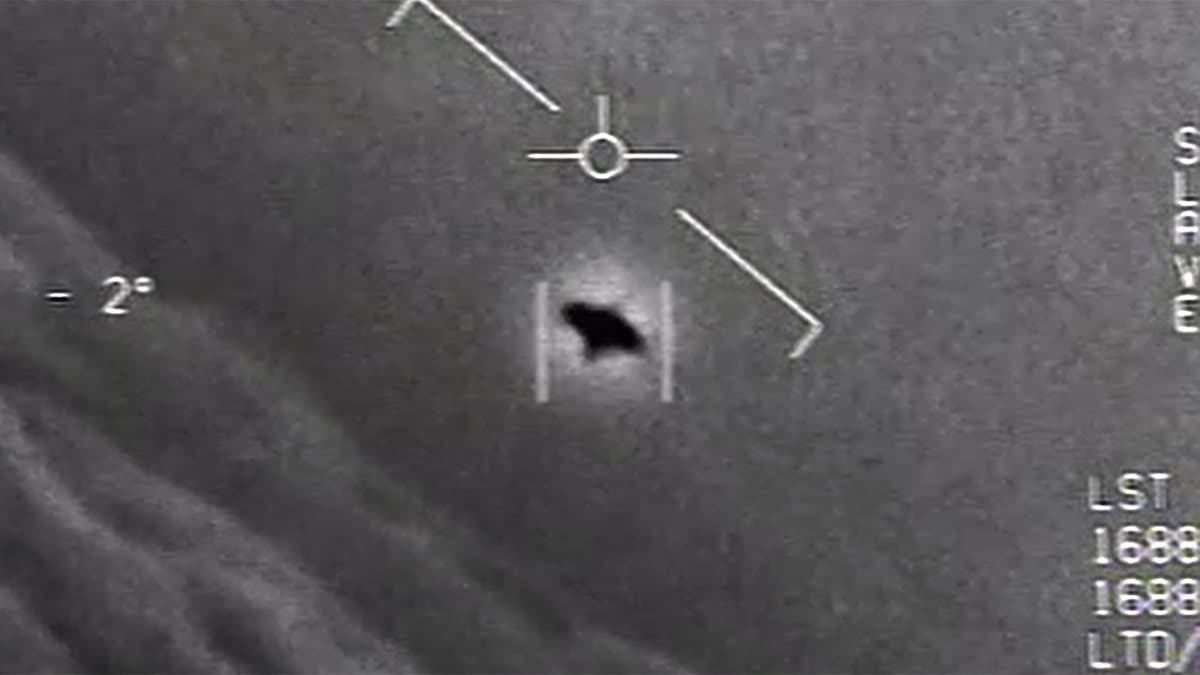
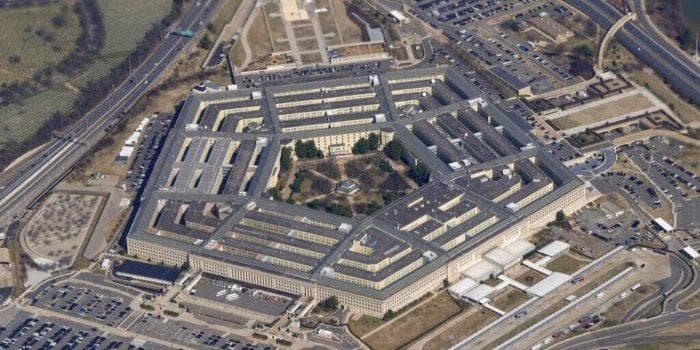
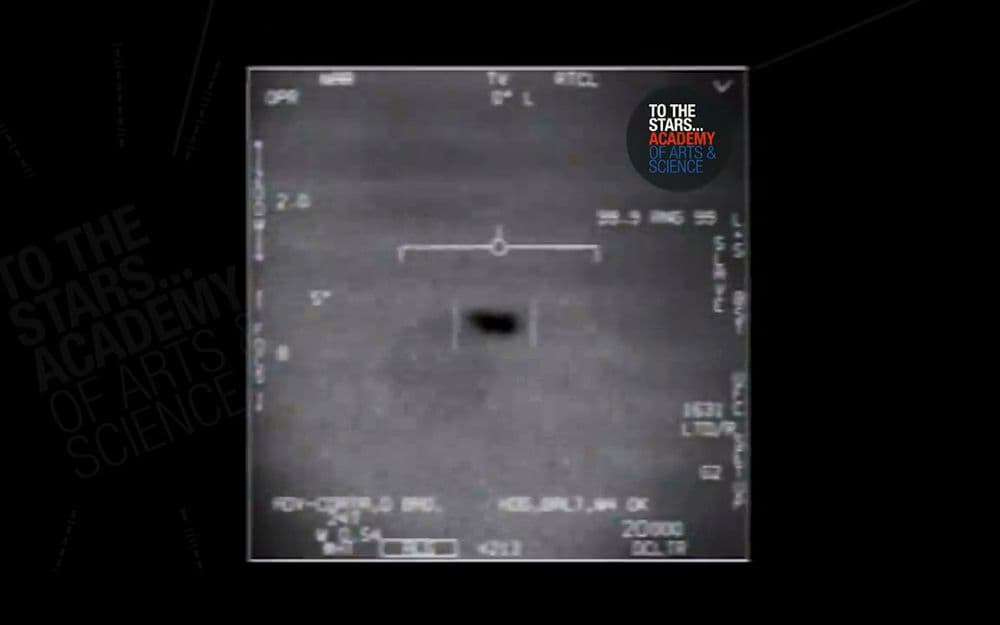
What changed was documentation. The Times article, titled "Glowing Auras and 'Black Money': The Pentagon's Mysterious U.F.O. Program," included interviews with former officials, descriptions of documented incidents, and confirmation of the program's existence from people in positions to know. The AATIP had operated within the Department of Defense Office of Net Assessment and studied reports from military pilots who encountered objects they couldn't identify. The program examined videos and sensor data from Navy pilots off the coast of Virginia, incidents that had occurred in 2015 but remained classified for years.
Get the 5 biggest receipts every week, straight to your inbox — plus an exclusive PDF: The Top 10 Conspiracy Theories Proven True in 2025-2026. No spam. No agenda. Just the papers they couldn't hide.
You just read "AATIP Pentagon UFO Program Existed Despite Official Denials …". We send ones like this every week.
No one's said anything yet. Be the first to drop your take.
The evidence revealed that the Pentagon's research wasn't fringe science fiction. It involved serious military personnel encountering something anomalous during training exercises and operations. Pilots described objects moving at impossible speeds and performing maneuvers that seemed to defy known physics. Rather than dismissing these reports as pilot error or equipment malfunction, AATIP had taken them seriously enough to fund continued research.
This case matters because it illustrates how governments can compartmentalize information and maintain public denials while conducting classified research. Citizens were systematically told something didn't exist while their government studied it. For anyone tracking claims about government transparency and institutional honesty, AATIP represents a concrete example of how official denials can mask undisclosed activities.
The verification of AATIP doesn't necessarily prove that UFOs represent alien spacecraft or any particular explanation for the phenomena. What it does prove is that the Pentagon investigated unexplained aerial objects and kept that investigation hidden from public view. It demonstrates that institutional denials aren't always reliable indicators of what governments actually do in classified settings. When public institutions claim something doesn't exist, the burden of proof has shifted. We now know to ask: not whether it's possible, but whether it's already classified.
Beat the odds
This had a 1.7% chance of leaking — someone talked anyway.
Conspirators
~500Large op
Secret kept
8.4 years
Time to 95% exposure
500+ years