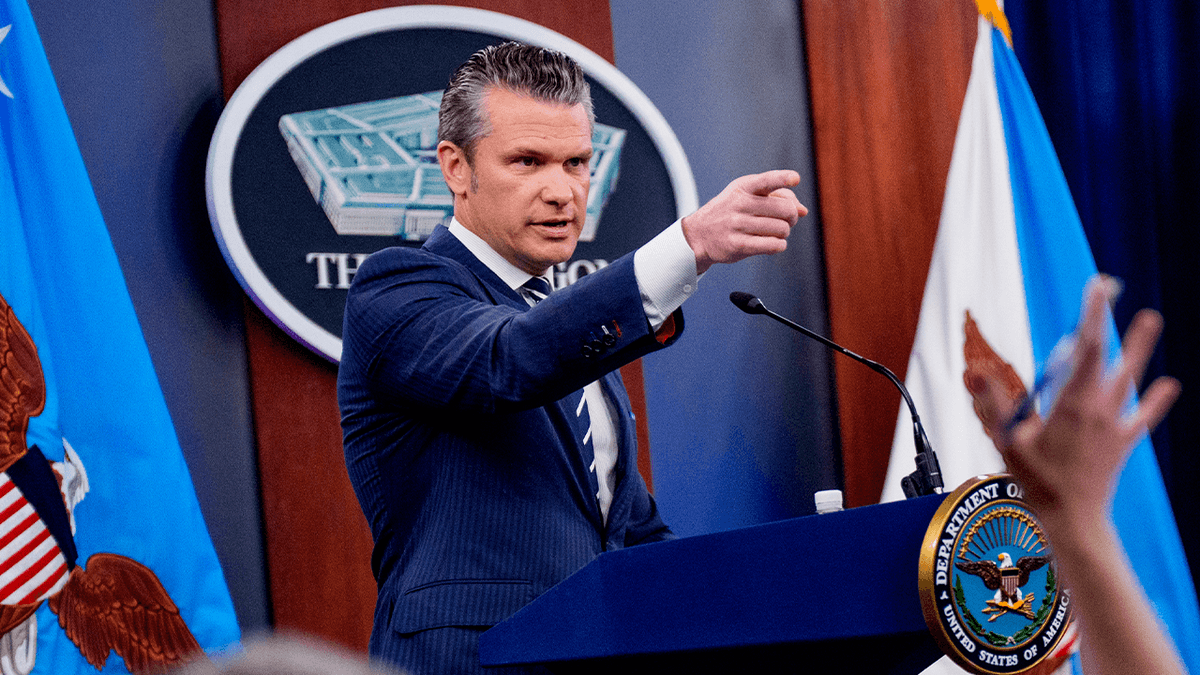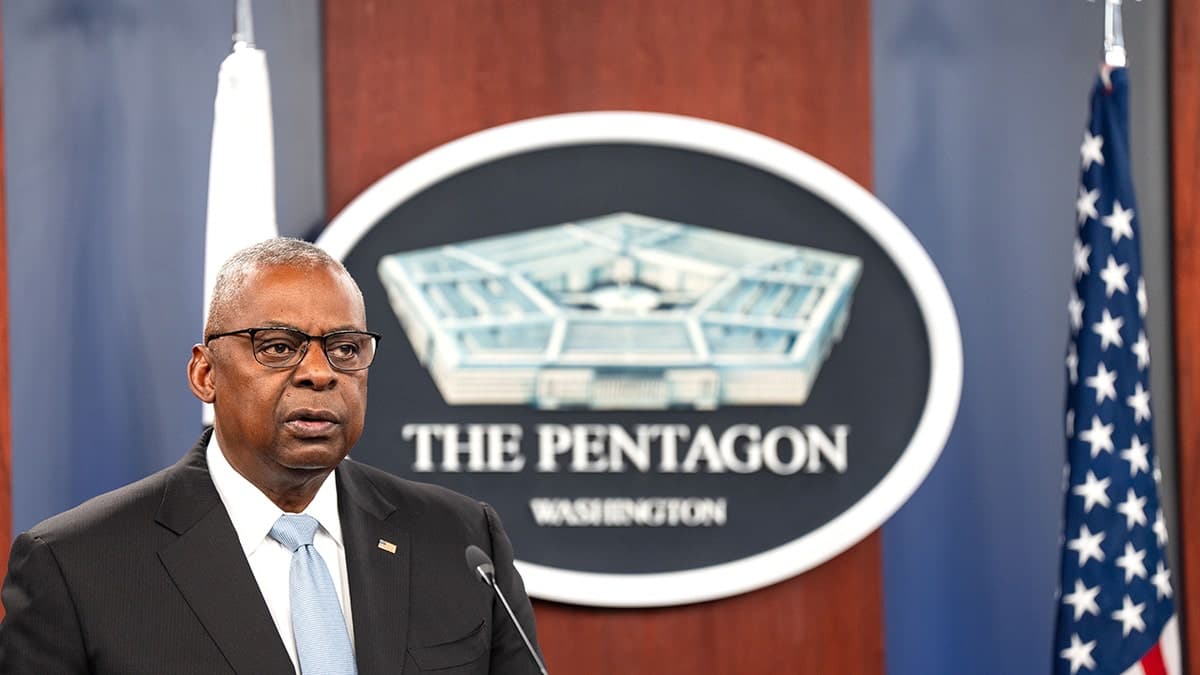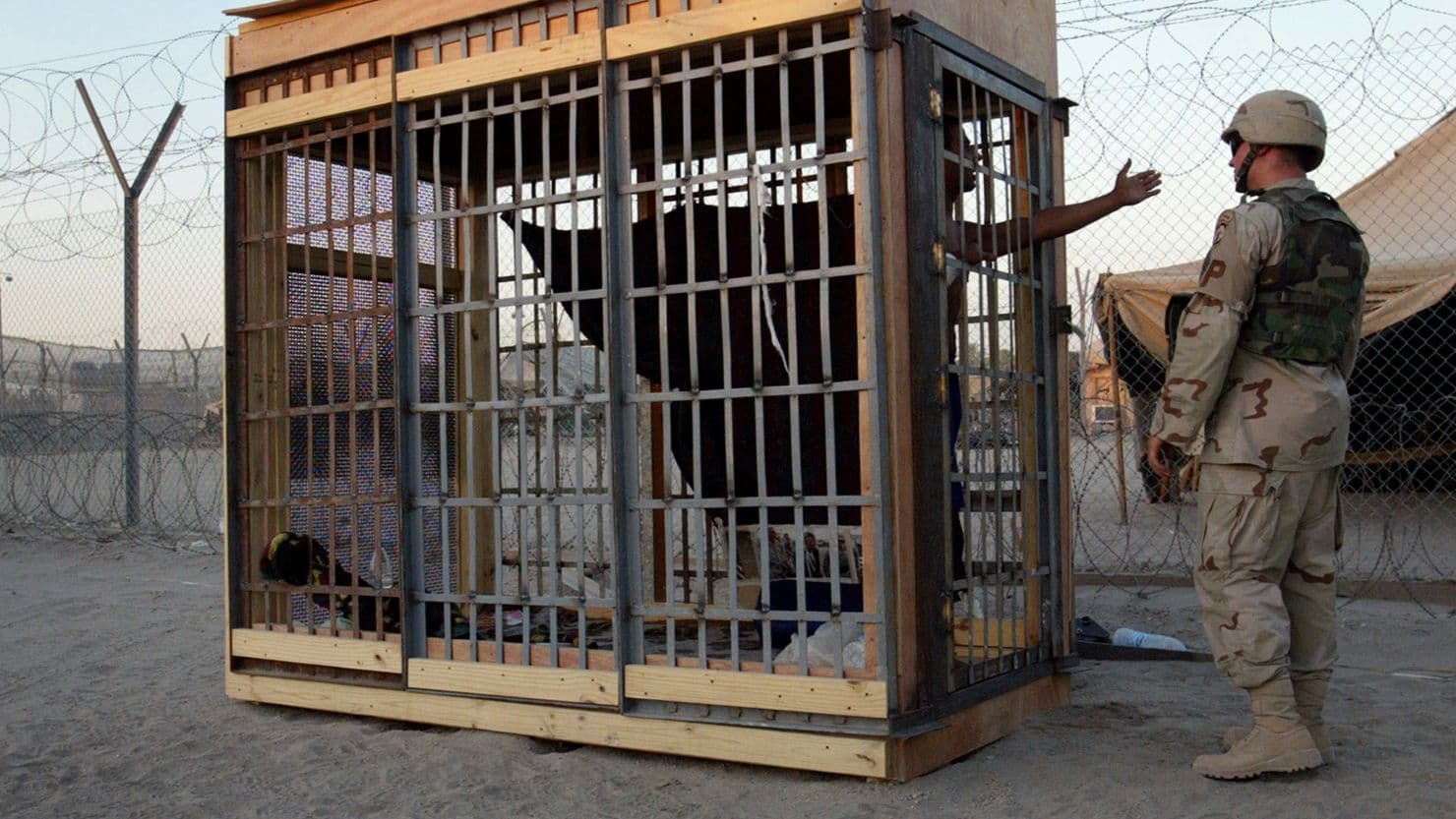
When photos of Abu Ghraib abuse emerged in April 2004, the military blamed low-ranking soldiers. However, the Senate Armed Services Committee found that Secretary Rumsfeld personally authorized aggressive interrogation techniques on December 2, 2002, concluding his actions were 'a direct cause of detainee abuse.' Guantanamo interrogation teams were sent to Abu Ghraib to 'enhance' techniques. Rumsfeld famously scrawled on a torture memo: 'I stand for 8-10 hours a day. Why is standing limited to 4 hours?' Only enlisted soldiers were prosecuted — no officer above the rank of colonel faced charges. A German court received a war crimes complaint against Rumsfeld.
“The abuse at Abu Ghraib was not isolated — it was the result of policies authorized at the highest levels of the Defense Department.”
What they said vs. what the evidence shows
“These events occurred on my watch and as Secretary of Defense I take full responsibility. What has been charged thus far is abuse, which I believe technically is different from torture.”
— Secretary Donald Rumsfeld · May 2004
SourceFrom “crazy” to confirmed
The Claim Is Made
This is the moment they called it crazy.
When photographs of prisoner abuse at Abu Ghraib emerged in April 2004, the American public received a reassuring explanation from military leadership: a few low-ranking soldiers had gone rogue. These enlisted personnel were depicted as aberrations—bad apples who had acted without authorization or oversight. It was a narrative designed to contain the scandal, to suggest that the abuse was an isolated incident born from individual moral failure rather than systemic policy.
This explanation satisfied many at the time. It offered a clean resolution: punish the soldiers responsible, implement better training, and move forward. But it rested on a foundational claim that deserved scrutiny—the claim that no one above these soldiers had authorized or encouraged the techniques that led to the abuse.
That claim did not survive investigation. A comprehensive Senate Armed Services Committee report later established that Secretary of Defense Donald Rumsfeld had personally authorized aggressive interrogation techniques on December 2, 2002. This authorization came more than a year before the Abu Ghraib photographs went public. The Senate committee would ultimately conclude that Rumsfeld's decision was "a direct cause of detainee abuse."
The mechanics of how this authorization cascaded downward reveal a deliberate chain of command at work. Interrogation teams from Guantanamo Bay—where Rumsfeld's approved techniques were already being implemented—were sent to Abu Ghraib to "enhance" the interrogation methods being used there. This was not improvisation; it was the deployment of an established playbook developed at the highest levels of the Defense Department.
The evidence of Rumsfeld's involvement extended beyond memos and organizational charts. A now-infamous instance involved Rumsfeld reviewing a memo about stress positions and sleep deprivation. On the document proposing that detainees be kept standing for up to four hours, Rumsfeld handwrote a marginal note: "I stand for 8-10 hours a day. Why is standing limited to 4 hours?" The casual tone of his question belied its gravity. He was not questioning the legality or ethics of the technique; he was questioning why the limits were set so conservatively.
Get the 5 biggest receipts every week, straight to your inbox — plus an exclusive PDF: The Top 10 Conspiracy Theories Proven True in 2025-2026. No spam. No agenda. Just the papers they couldn't hide.
You just read "Abu Ghraib torture was not the work of 'a few bad apples' — …". We send ones like this every week.
No one's said anything yet. Be the first to drop your take.
Confirmed: They Were Right
The truth comes out. Officially documented.
Confirmed: They Were Right
The truth comes out. Officially documented.
When accountability came, however, it followed the original narrow script. Only enlisted soldiers were prosecuted for the abuse. No officer above the rank of colonel faced criminal charges. The architects of the interrogation program—the policymakers and senior commanders who had authorized the techniques—remained beyond the reach of American justice.
The scandal did not disappear entirely, though. A German court received a war crimes complaint against Rumsfeld, evidence that the accountability gap had international consequences.
The significance of this claim's verification extends beyond the historical record. It illustrates how official narratives can obscure institutional responsibility. When institutions blame individuals rather than systems, when lower ranks are held accountable while senior leadership escapes consequences, the public receives a distorted picture of how power actually functions. Trust in institutions depends partly on their willingness to acknowledge uncomfortable truths about their own decision-making. In this case, that willingness was conspicuously absent.
Beat the odds
This had a 1.8% chance of leaking — someone talked anyway.
Conspirators
~1,000Large op
Secret kept
4.6 years
Time to 95% exposure
500+ years