“Agent Orange posed no long-term health risks to personnel”
From “crazy” to confirmed
The Claim Is Made
This is the moment they called it crazy.
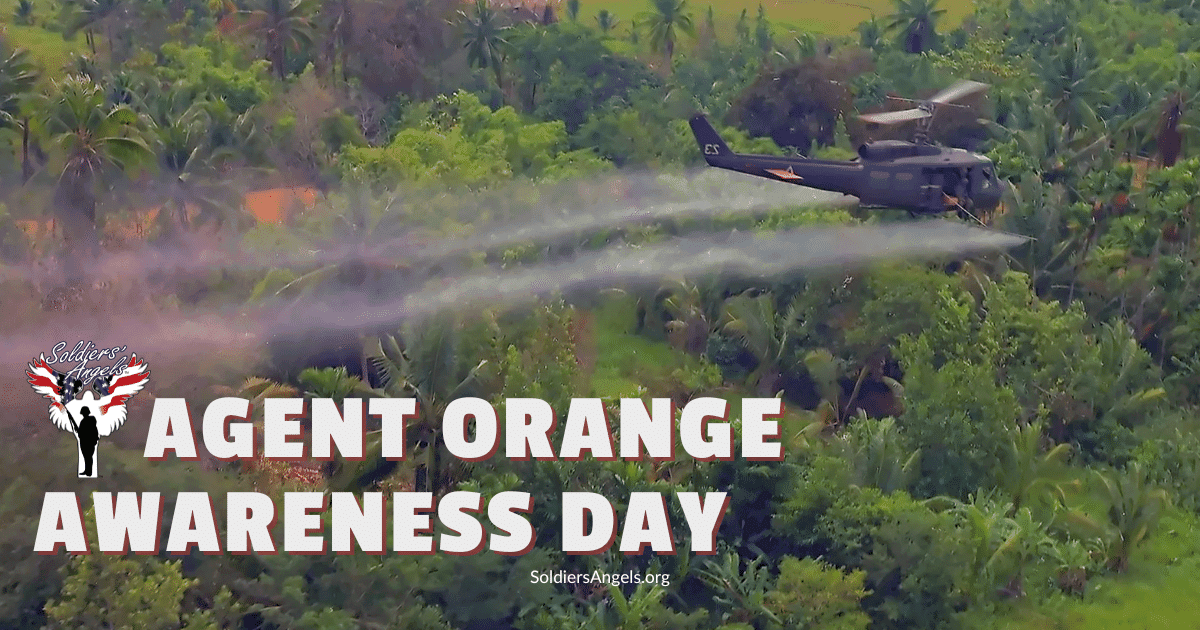
The chemical that was supposed to win a war ended up poisoning those who fought it. Between 1962 and 1970, the U.S. military sprayed roughly 20 million gallons of Agent Orange across Vietnam, Laos, and Cambodia. What makes this a story of institutional deception rather than simply a wartime tragedy is what happened afterward—and what military officials knew before it even began.
By 1965, just three years into the spraying campaign, internal Department of Defense documents show that military officials had clear evidence that Agent Orange caused severe health problems. The chemical's active ingredient, dioxin, was known to cause chloracne, liver damage, and reproductive harm. Despite this knowledge, the military not only continued the spraying but actively concealed the health risks from soldiers, veterans, and the American public.
The official position was ironclad: Agent Orange was safe. Military spokespeople assured Congress, the media, and veterans that the herbicide posed no significant health threat. The Department of Veterans Affairs followed suit, denying claims from veterans suffering from cancer, birth defects, and autoimmune diseases. For decades, any veteran who claimed Agent Orange harmed them was essentially told they were mistaken or exaggerating. The government's message was consistent and absolute: there was no proven link between exposure and illness.
The evidence that proved otherwise came from multiple directions. The VA's own research eventually documented the connection between Agent Orange exposure and conditions including non-Hodgkin's lymphoma, prostate cancer, type 2 diabetes, and Parkinson's disease. More damning were the declassified internal memos. These documents revealed that as early as 1965, the military had received reports of the chemical's toxicity but chose not to act on them. Some officials even pushed to increase spraying operations despite knowing the risks.
A particularly telling piece of evidence was correspondence showing that when the military did discuss health concerns internally, they explicitly decided against warning troops or revealing findings to the public. One rationale offered was that admitting the danger would undermine the operation's strategic value. In other words, completing a military objective took priority over informing soldiers of known health risks.
It took until the 1980s and 1990s for significant recognition of Agent Orange's effects to enter official policy. The VA eventually added multiple conditions to its list of diseases presumed caused by Agent Orange exposure. But by then, hundreds of thousands of veterans had already suffered without adequate medical care or compensation. Their children and grandchildren were born with birth defects caused by their parents' exposure. The delayed recognition meant delayed treatment, delayed justice, and immeasurable additional suffering.
This case matters because it reveals a pattern of institutional priority-setting that placed mission completion and institutional protection above human welfare. Military and government officials made calculated decisions based on information they possessed but concealed. Veterans weren't simply collateral damage of war; they were deliberately kept in the dark about risks that their own government understood.
The broader implication cuts deeper than Vietnam. When institutions that are supposed to protect citizens' health systematically hide known dangers, it erodes public trust across all future claims those institutions make. It raises a fundamental question: what other documented dangers have agencies known about while publicly denying them? The Agent Orange cover-up didn't just harm veterans—it demonstrated how institutional incentives can override honesty, and how long it can take for truth to overcome official denial.
Get the 5 biggest receipts every week, straight to your inbox — plus an exclusive PDF: The Top 10 Conspiracy Theories Proven True in 2025-2026. No spam. No agenda. Just the papers they couldn't hide.
You just read "Agent Orange Cover-up - Military Knew of Health Risks for De…". We send ones like this every week.
No one's said anything yet. Be the first to drop your take.