Internal documents revealed Dow Chemical and military officials knew Agent Orange caused severe health problems in the 1960s but suppressed studies and denied health risks to veterans and Vietnamese civilians for decades.
“Agent Orange is safe for military personnel when used according to approved guidelines and poses no long-term health risks”
From “crazy” to confirmed
The Claim Is Made
This is the moment they called it crazy.
The full scope of what Dow Chemical and the U.S. military knew about Agent Orange remained hidden from public view for decades. Hundreds of thousands of people—American soldiers and Vietnamese civilians alike—suffered debilitating illnesses without understanding why, while the institutions responsible possessed the answers all along.
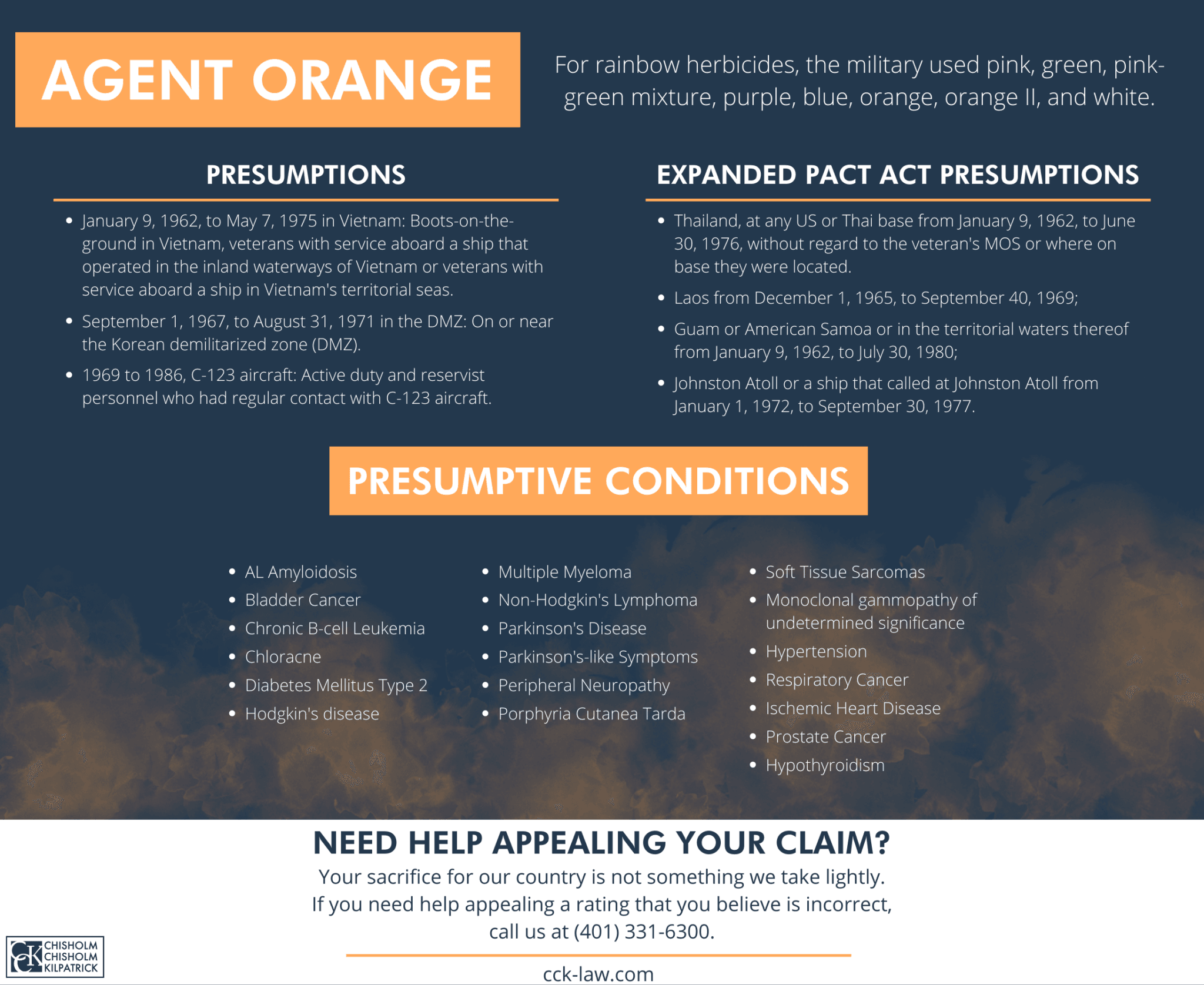
Agent Orange was a herbicide mixture sprayed extensively during the Vietnam War, deployed to strip away jungle foliage that provided cover for enemy forces. Between 1962 and 1970, the U.S. military sprayed approximately 20 million gallons over Vietnam. The chemical contained dioxin, an extremely toxic compound that accumulates in human tissue and causes cancer, birth defects, and other severe health conditions.
For years, military officials and chemical manufacturers maintained that Agent Orange was safe. They dismissed reports of illness from returning veterans and Vietnamese villagers as anecdotal or unrelated to the herbicide. The Veterans Administration initially denied claims that Agent Orange exposure caused health problems, refusing compensation to affected soldiers. Dow Chemical, the primary manufacturer, publicly stated their product posed no danger to human health.
This narrative held firm in the court of public opinion throughout the 1970s and into the 1980s. Veterans struggling with illness and birth defects in their children were often told their conditions were psychological or unrelated to their military service. Vietnamese victims received no acknowledgment or assistance whatsoever. The official position—supported by government agencies and corporate statements—created a wall of denial that marginalized anyone claiming harm.
The turning point came through internal documents obtained by researchers and journalists investigating the chemical's history. military and corporate records revealed that Dow Chemical had conducted tests showing dioxin's toxicity as early as the 1960s. Internally, company scientists warned about the dangers. Similarly, some military officials possessed data suggesting health risks. Yet this information never reached the public or the veterans themselves.
Get the 5 biggest receipts every week, straight to your inbox — plus an exclusive PDF: The Top 10 Conspiracy Theories Proven True in 2025-2026. No spam. No agenda. Just the papers they couldn't hide.
You just read "Agent Orange Health Effects Were Known but Suppressed by Mil…". We send ones like this every week.
No one's said anything yet. Be the first to drop your take.
The documentary record showed a clear pattern: when evidence of harm emerged, it was classified, minimized, or buried entirely. Studies were conducted quietly and their results were suppressed. Regulatory agencies relied on incomplete or misleading information provided by the manufacturers themselves. Meanwhile, people continued to be exposed without informed consent or warning.
By the 1980s and 1990s, the weight of evidence became undeniable. Multiple independent studies confirmed what the internal documents had shown decades earlier: Agent Orange exposure caused serious, lasting health damage. The U.S. government eventually acknowledged the connection and established compensation programs. Vietnam recognized widespread population-level health impacts that persisted generations after the spraying ended.
The Agent Orange case demonstrates a critical pattern in institutional deception. When profit and bureaucratic interests align, institutions will often choose concealment over transparency, even when human health hangs in the balance. The people harmed were not collateral damage of an accident—they were victims of a known risk that was deliberately hidden from them.
This matters because it illustrates how public trust is broken. Veterans and civilians trusted their governments and corporations to act responsibly with information about dangers. That trust was violated systematically and deliberately. Decades of suffering could have been prevented with honest disclosure. The lesson is not just historical; it's a template for recognizing when institutions prioritize reputation management over human welfare.
Beat the odds
This had a 1.9% chance of leaking — someone talked anyway.
Conspirators
~100Network
Secret kept
47.2 years
Time to 95% exposure
500+ years