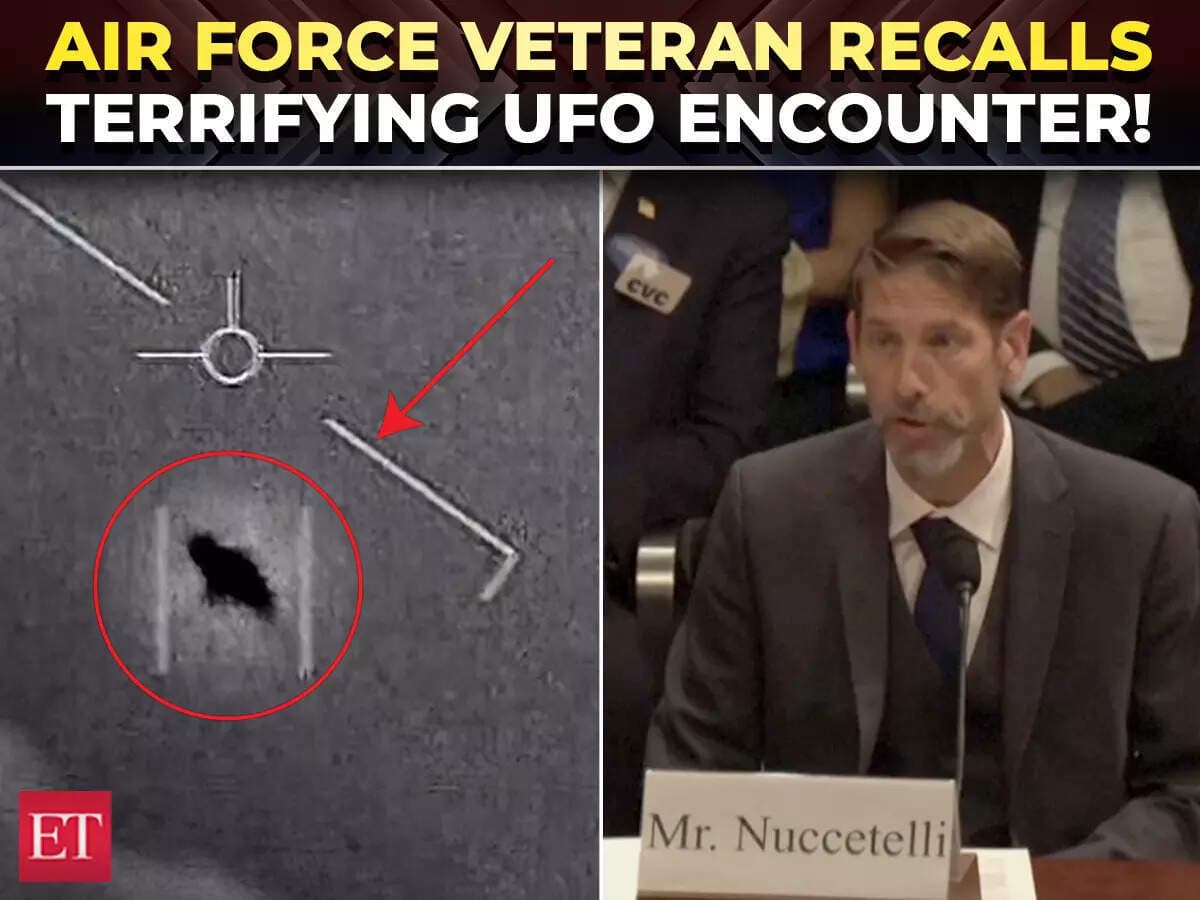
Captain Robert Salas testified that UFOs disabled nuclear missiles at Malmstrom AFB in 1967. The Air Force denied the incident occurred despite multiple witness testimonies and documented evidence.
“No UFO incident occurred at Malmstrom Air Force Base and no nuclear weapons were affected”
From “crazy” to confirmed
The Claim Is Made
This is the moment they called it crazy.
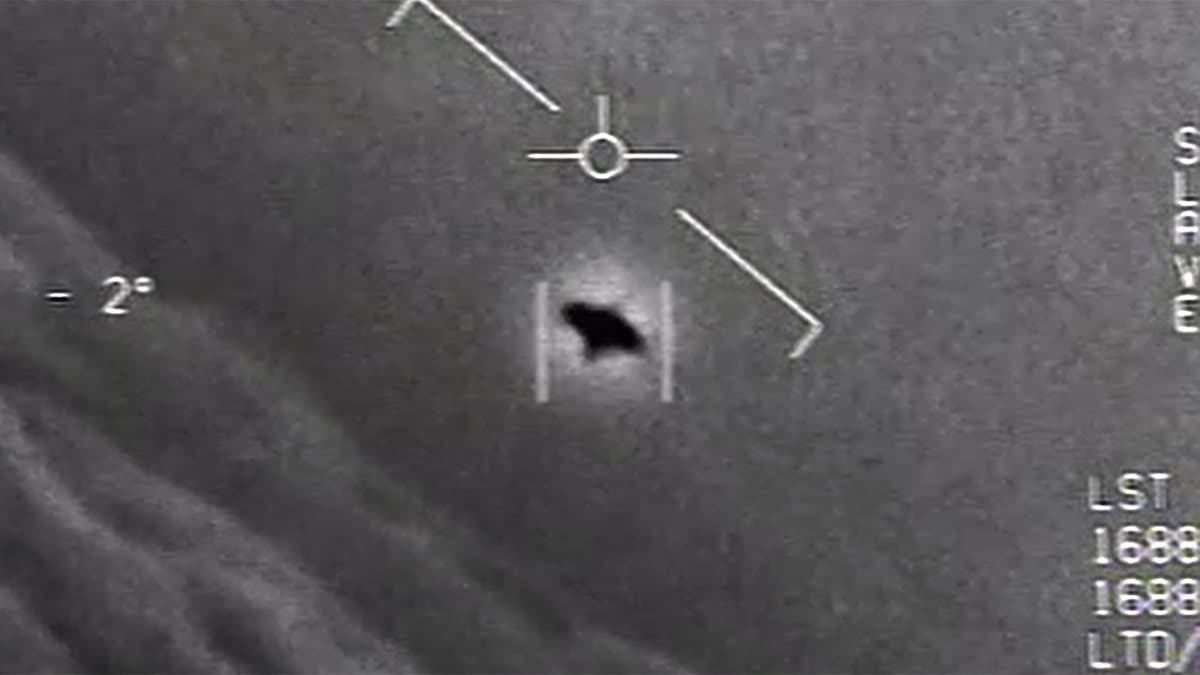
On the night of March 24, 1967, something happened at Malmstrom Air Force Base in Montana that the military would spend decades denying ever occurred. Multiple officers stationed at one of America's most sensitive nuclear weapons facilities reported witnessing unidentified objects in the sky—and claimed these objects had somehow disabled an entire squadron of intercontinental ballistic missiles.
Captain Robert Salas was working in the underground command center that night, responsible for monitoring nuclear weapons. According to his testimony, he and his colleagues experienced a series of extraordinary events: officers above ground reported seeing bright red objects moving silently across the sky, while simultaneously, the base's communication systems began malfunctioning. More significantly, Salas stated that multiple nuclear missiles went offline during the incident—a malfunction that had no conventional explanation.
This wasn't a lone voice in the dark. Salas wasn't alone in his account. Former U.S. Air Force officers, including those with direct access to classified information and operational responsibility, corroborated his story. These weren't conspiracy theorists or attention-seekers; they were credentialed military professionals with nothing obvious to gain from speaking publicly.
The official response was swift and dismissive. The Air Force denied that any incident of significance had occurred. When pressed, military officials attributed reports to misidentifications, equipment malfunctions, or simple confusion among personnel. The incident wasn't covered in official records. No official investigation was launched. The matter was effectively closed from the Air Force's perspective—case dismissed, nothing to see here.
But the dismissal didn't erase the evidence. Documents emerged over time through Freedom of Information Act requests that corroborated key details of Salas's account. Multiple officers provided consistent testimony about what they had witnessed. The timing of the missile malfunctions aligned with the sightings reported by ground personnel. While the Air Force maintained nothing unusual happened, the paper trail suggested otherwise.
Get the 5 biggest receipts every week, straight to your inbox — plus an exclusive PDF: The Top 10 Conspiracy Theories Proven True in 2025-2026. No spam. No agenda. Just the papers they couldn't hide.
You just read "Air Force Covered Up UFO Incident at Malmstrom Nuclear Base …". We send ones like this every week.
No one's said anything yet. Be the first to drop your take.
What makes this case partially verified rather than fully confirmed is the lack of definitive explanation. No one has produced a conclusive answer to what actually disabled those missiles or what witnesses observed in the sky. The evidence confirms that something unusual occurred at Malmstrom that night—but the nature of that something remains genuinely unclear. What is clear is that the initial official denial was incomplete or inaccurate.
This matters because it illustrates a pattern: credible witnesses with access to sensitive information make claims about unusual incidents, the military denies everything happened, and years later, declassified documents and accumulated testimony prove that something did indeed occur. Whether the "something" was extraterrestrial, classified military technology, atmospheric phenomenon, or something else entirely, the cover-up itself became the verifiable fact.
The Malmstrom incident raises uncomfortable questions about institutional transparency. If the Air Force was willing to flatly deny an incident that multiple officers experienced and later documented, what else might have been similarly dismissed? Public trust in institutions requires honesty, especially when those institutions control nuclear weapons and shape national security narratives. The documented discrepancy between what happened and what was officially claimed isn't just a historical footnote—it's a case study in how claims get buried and why verification matters.
Beat the odds
This had a 3.1% chance of leaking — someone talked anyway.
Conspirators
~500Large op
Secret kept
15.6 years
Time to 95% exposure
500+ years