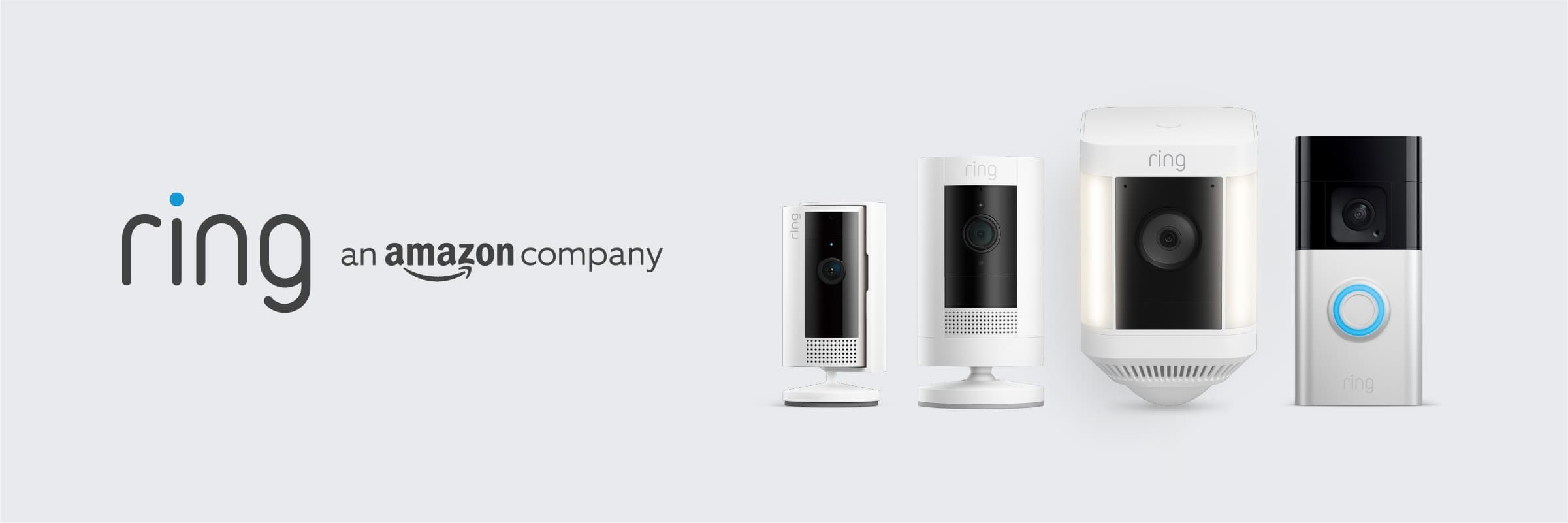
Amazon's Ring doorbell cameras created a distributed surveillance network of over 10 million devices. Amazon disclosed to Congress that it shared Ring footage with police at least 11 times in 2022 without a warrant or the owner's consent, using a self-defined 'emergency' exception. Police used the Neighbors app to request footage en masse, and Ring footage was used to monitor protesters. After EFF and ACLU pressure, Ring ended the police request feature in January 2024, but emergency disclosures continue.
“Amazon Ring doorbells are creating a mass surveillance network where police can access your camera footage without a warrant or your knowledge.”
From “crazy” to confirmed
The Claim Is Made
This is the moment they called it crazy.
Amazon built what it marketed as a neighborhood security tool. Ring doorbells, installed on millions of American homes, promised to help people protect their property and communities. What wasn't prominently disclosed was that this distributed network of cameras could become a tool for mass surveillance—and that Amazon would hand over the footage to police.
For years, privacy advocates warned about the risks. They said Amazon would eventually share Ring footage with law enforcement, potentially without user knowledge or consent. Amazon and law enforcement officials dismissed these concerns as overblown. Ring's privacy policies and marketing suggested users had control over their footage. The company emphasized that customers would need to approve any requests.
Then Amazon disclosed the truth to Congress in 2022.
The company admitted it had shared Ring doorbell footage with police at least 11 times that year alone—without warrants and without asking homeowners for permission. Amazon justified these disclosures under what it called an "emergency exception," a standard the company essentially defined for itself. There was no independent oversight, no court approval required.
The mechanics were troubling. Police didn't need to go through formal channels to get footage. Instead, they used Ring's Neighbors app to request video en masse from specific neighborhoods. One documented case involved police monitoring protesters. Another saw officers obtaining footage to investigate crimes, using the emergency justification as a catch-all exception that bypassed constitutional protections.
The Electronic Frontier Foundation and ACLU documented these practices and raised alarms publicly. Their pressure, combined with the negative attention from Amazon's Congressional disclosures, finally produced a change. In January 2024, Ring announced it would shut down the police request feature entirely.
Get the 5 biggest receipts every week, straight to your inbox — plus an exclusive PDF: The Top 10 Conspiracy Theories Proven True in 2025-2026. No spam. No agenda. Just the papers they couldn't hide.
You just read "Amazon shared Ring doorbell footage with police without warr…". We send ones like this every week.
No one's said anything yet. Be the first to drop your take.
Confirmed: They Were Right
The truth comes out. Officially documented.
Confirmed: They Were Right
The truth comes out. Officially documented.
But the victory was incomplete. Amazon continues to hand over footage to law enforcement under those "emergency" disclosures. The company never clearly defined what qualifies as an emergency or established meaningful limits on when it will comply with police requests. Users still have no way to know if their doorbell footage has been shared.
This matters because it reveals the gap between corporate promises and actual practices. When a company markets a product as a consumer tool while simultaneously operating as a surveillance infrastructure for government agencies, the marketing becomes misleading. Millions of Ring owners made purchasing decisions without understanding they were building a nationwide camera network accessible to police.
It also demonstrates how corporate surveillance can normalize government surveillance. Once millions of cameras are installed on private property, law enforcement gains an unprecedented tool for monitoring neighborhoods, tracking individuals, and documenting protests. The technical capability exists; the only question becomes how far companies will go in exploiting it.
The Ring case shows that privacy warnings from advocates aren't paranoia—they're predictions based on how technology companies have consistently behaved. When privacy advocates say a company will eventually share user data with government, they're not being alarmist. They're reading the trajectory of corporate incentives. Companies face no significant penalties for surveillance collaboration, only public pressure.
Public trust in technology companies requires transparency about what happens to user data. Amazon's admission that it shared footage 11 times without consent, buried in Congressional testimony, suggests the company knew this information would be unpopular. That's precisely when scrutiny matters most.
Beat the odds
This had a 0.2% chance of leaking — someone talked anyway.
Conspirators
~150Network
Secret kept
3.5 years
Time to 95% exposure
500+ years