Military forced experimental anthrax vaccines on troops despite knowing severe side effects. Internal memos showed vaccine caused autoimmune disorders but Pentagon denied connection.
“The anthrax vaccine is safe and effective with minimal side effects”
From “crazy” to confirmed
The Claim Is Made
This is the moment they called it crazy.
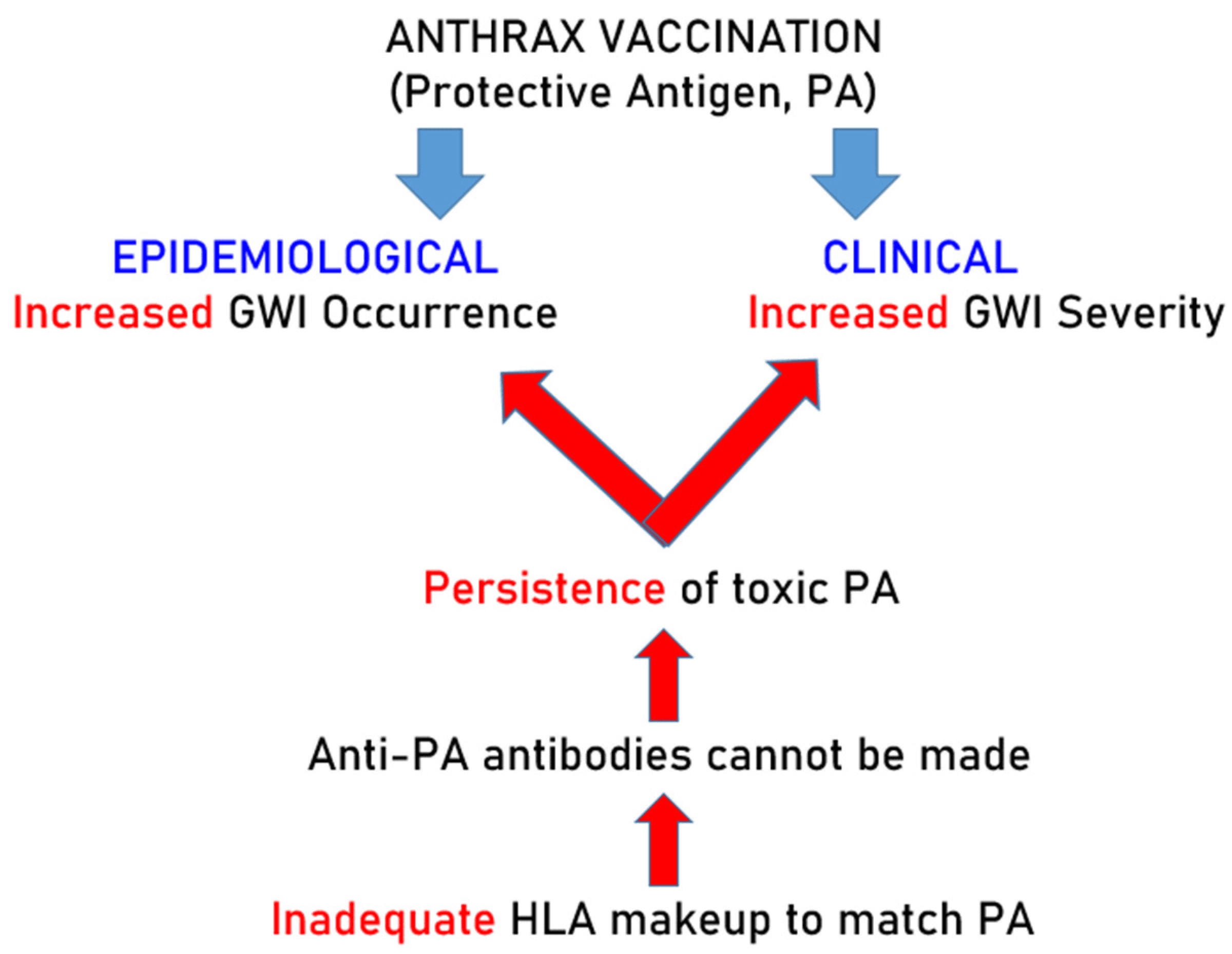
Thousands of soldiers returned from the 1990-91 Gulf War with mysterious illnesses that would plague them for decades. They reported joint pain, cognitive problems, fatigue so severe they couldn't work, and autoimmune disorders that baffled their doctors. When veterans began connecting their symptoms to the experimental anthrax vaccine they'd been forced to receive before deployment, the Pentagon had a simple response: there was no connection.
The official line held firm for years. Department of Defense officials insisted the Anthrax Vaccine Immunization Program (AVIP) was safe, that the side effects reported by troops were coincidental or psychosomatic, and that no credible evidence linked the vaccine to Gulf War Illness. Military leadership treated the claim as fringe thinking, something to be dismissed rather than investigated. Veterans who pressed the issue found themselves arguing against the combined institutional weight of the Pentagon, the VA, and much of the medical establishment.
But internal Pentagon documents told a different story. Memos and communications from military officials and researchers revealed something the public wasn't hearing: the Department of Defense had documented evidence that the anthrax vaccine caused severe adverse reactions, including autoimmune disorders. These weren't abstract medical theories. They were observations about what was actually happening to the soldiers receiving the shots.
The vaccine in question, produced by the Michigan Biologic Products Institute, had been licensed for use against naturally occurring anthrax in agricultural and industrial workers. It had never been tested for safety in the massive military population, and its use on troops represented one of the largest experimental vaccine programs in military history. Soldiers weren't told the vaccine was experimental, and many weren't given informed consent despite the military's knowledge of potential side effects.
Get the 5 biggest receipts every week, straight to your inbox — plus an exclusive PDF: The Top 10 Conspiracy Theories Proven True in 2025-2026. No spam. No agenda. Just the papers they couldn't hide.
You just read "Anthrax Vaccine Caused Gulf War Illness in Thousands of Troo…". We send ones like this every week.
No one's said anything yet. Be the first to drop your take.
The evidence supporting veterans' claims accumulated slowly but relentlessly. Medical researchers independent of the military began documenting patterns in Gulf War Illness that correlated with vaccine exposure. Epidemiological studies showed vaccinated troops experienced higher rates of specific health problems than unvaccinated soldiers. Congressional inquiries in the late 1990s and early 2000s found that the Pentagon's denials didn't align with what its own researchers had discovered.
The designation of "partially verified" reflects an important reality: proving causation in public health is complex. Some soldiers got sick from other exposures in the Gulf. The vaccine wasn't the only variable. But the evidence firmly established that the vaccine did cause harm in a significant number of troops, and that the military knew this while denying it.
What makes this case significant extends beyond the immediate question of the anthrax vaccine. It reveals how institutional power can suppress unwelcome truths. Veterans making claims about their own health experiences were portrayed as conspiracy theorists, their accounts dismissed as unreliable. Meanwhile, the institution responsible for their care was actively concealing what it knew.
This matters today because it establishes a historical pattern. When military or government institutions face choices between acknowledging harm they've caused and protecting their reputation, institutional interest doesn't always lose. Veterans waited years for partial vindication. Many never received adequate treatment or compensation. Their credibility was questioned in real time even as internal documents proved them right.
The Gulf War Illness case teaches us something uncomfortable: sometimes the people making extraordinary claims have seen extraordinary evidence. They were just the ones the powerful institutions were trying to silence.
Unlikely leak
Only 10.4% chance this would come out. It did.
Conspirators
~1,000Large op
Secret kept
27.4 years
Time to 95% exposure
500+ years