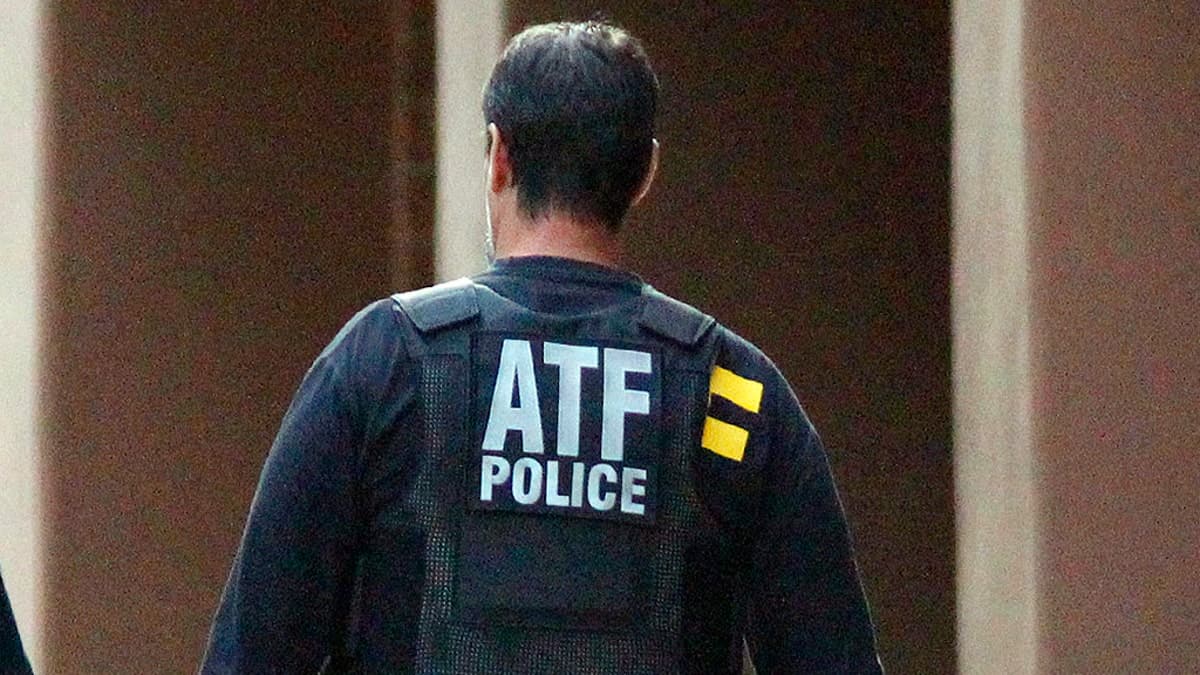
The ATF's Operation Fast and Furious allowed suspected gun smugglers to purchase weapons without arrest, losing track of over 2000 firearms. Many weapons were later found at crime scenes including a Border Patrol agent's murder.
“ATF maintains strict oversight of all firearms in ongoing investigations”
From “crazy” to confirmed
The Claim Is Made
This is the moment they called it crazy.
In 2010, federal agents watched as suspected gun traffickers walked out of Arizona gun shops with military-style weapons. The ATF wasn't stopping them. They were following them—or at least trying to. This wasn't a sting operation gone wrong. It was official policy.
The operation, code-named Fast and Furious, was born from a theory that seemed logical on paper: let small-time straw purchasers buy guns, track them to major cartels, and dismantle the smuggling networks. What actually happened bore no resemblance to that plan.
Between 2009 and 2011, the Phoenix Field Division of the Bureau of Alcohol, Tobacco, Firearms and Explosives allowed gun dealers to sell weapons they knew were likely headed to Mexico's drug cartels. The agency lost track of at least 2,000 firearms. This wasn't the official story for long, though.
When questions first surfaced, administration officials and ATF leadership downplayed the operation's scope. They characterized reports as exaggerations, suggesting the problems were limited and the tactics had been discontinued. Attorney General Eric Holder claimed not to know details about the program. The standard institutional response kicked in: dismiss, delay, and define the controversy as a partisan concern.
The Department of Justice's Office of Inspector General investigated anyway. Their report, released in 2015, confirmed what had been alleged: the ATF deliberately permitted straw purchases of weapons without interdicting them at the border or attempting to track them to final destinations. The strategy was reckless, unsupervised, and largely unsupervised.
But the abstract failure became concrete tragedy. At least 200 murders in Mexico were linked to Fast and Furious weapons. More troubling for American public attention was what happened on December 14, 2010, when Border Patrol agent Brian Terry was killed in Arizona. Two AK-47 rifles recovered at the scene came from Fast and Furious.
Get the 5 biggest receipts every week, straight to your inbox — plus an exclusive PDF: The Top 10 Conspiracy Theories Proven True in 2025-2026. No spam. No agenda. Just the papers they couldn't hide.
You just read "ATF Gun-Walking Operation Fast and Furious Lost Track of 200…". We send ones like this every week.
No one's said anything yet. Be the first to drop your take.
The documents didn't just prove that agents lost the guns. They proved the losing was predictable. ATF supervisors had received numerous warnings about the program's dangers. Field agents had objected to the tactics. Yet the operation continued for nearly two years before being shut down in 2011.
What emerged was a portrait of institutional dysfunction: poor oversight, inflated confidence in a flawed strategy, and a resistance to correction that persisted even after early warning signs. The IG's report was thorough and damning. It detailed the specific failures, identified responsible officials, and documented how the operation had violated basic investigative protocols.
The case matters for a simple reason: it demonstrates why institutional credibility requires more than denials when mistakes occur. The initial response—minimize, deflect, wait for media attention to fade—was the predictable bureaucratic reflex. It was also demonstrably false.
When armed agents of the U.S. government lose track of 2,000 weapons, some of which end up being used to murder Americans and thousands of foreigners, that's not a disagreement about tactics. It's a failure of basic competence and responsibility.
The Fast and Furious investigation vindicated the skeptics who had pushed for answers. It reminded the public that official denials don't settle questions. Sometimes they just delay accountability. The operation stands as a documented example of why institutional claims require verification, and why persistence in asking uncomfortable questions remains necessary.
Beat the odds
This had a 0.3% chance of leaking — someone talked anyway.
Conspirators
~50Network
Secret kept
14.9 years
Time to 95% exposure
500+ years