Military exposed 400,000 troops to nuclear radiation during bomb tests 1945-1962. Pentagon denied health risks while internal studies showed increased cancer rates among participants.
“Nuclear testing poses no health risks to military observers at safe distances”
From “crazy” to confirmed
The Claim Is Made
This is the moment they called it crazy.
Between 1945 and 1962, the United States military ordered approximately 400,000 troops to witness nuclear bomb detonations or participate in military exercises in contaminated zones. Many of these soldiers had no idea what they were walking into. What happened to them afterward reveals a deliberate campaign to obscure the health consequences of radiation exposure.
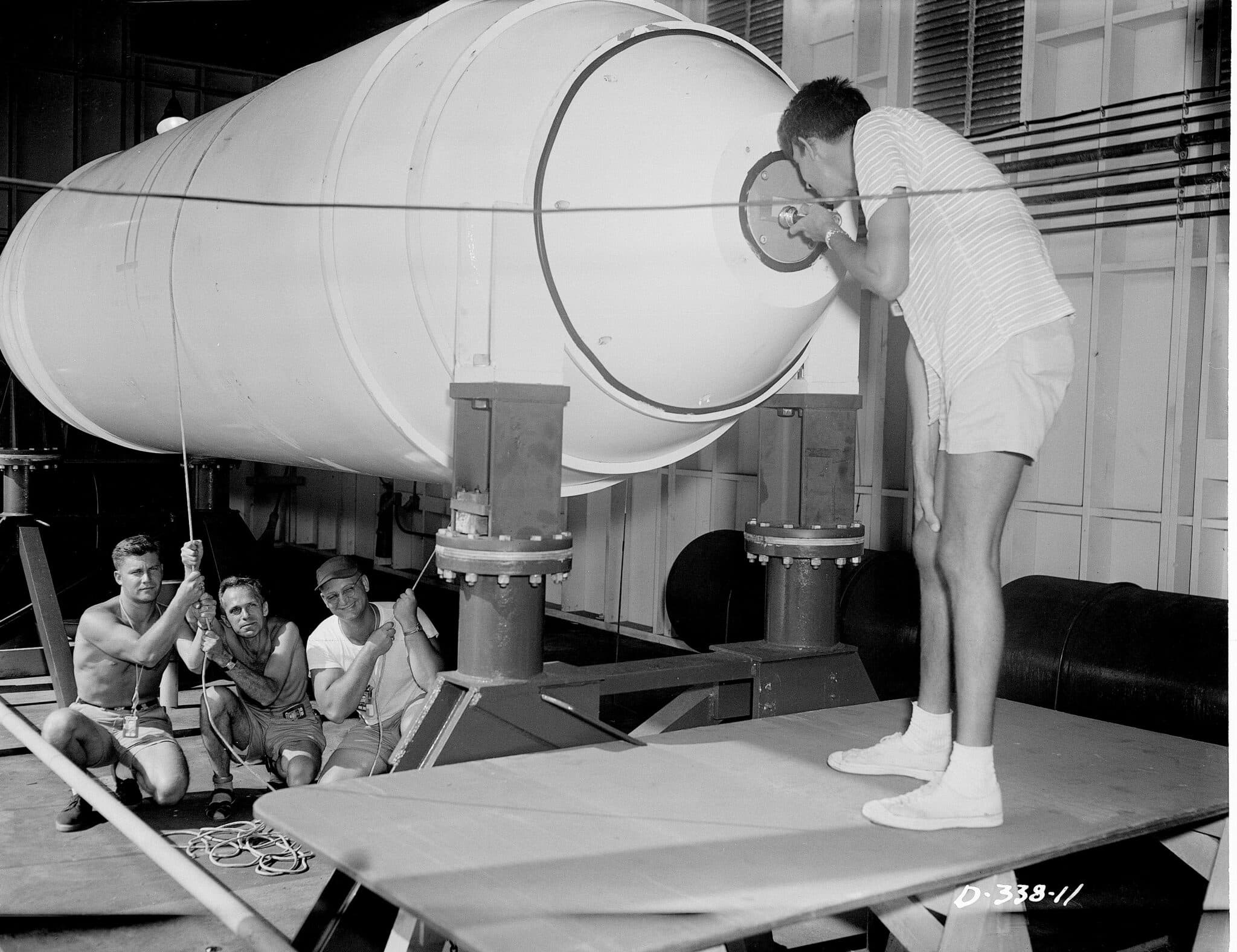
The atomic testing program, conducted primarily in Nevada and the Pacific, was designed to study the effects of nuclear weapons on military operations. The Department of Defense wanted soldiers to experience combat conditions in a nuclear environment, so they stationed troops at varying distances from test sites and sometimes marched them through freshly irradiated terrain. The assumption was that this would prepare the military for nuclear warfare.
Almost immediately, participating soldiers began reporting health problems. Cancer rates among the troops were unusually high. They developed leukemia, thyroid cancer, and other radiation-related diseases at ages when such illnesses were uncommon. These veterans sought answers and sought recognition that their illnesses were connected to their military service.
The Pentagon's response was consistent: there was no evidence that the radiation levels were dangerous. Military officials insisted that the exposure had been carefully controlled and monitored, and that any health problems experienced by veterans were coincidental or caused by other factors. This denial persisted for decades, even as veterans filed disability claims and fought for medical benefits. The official stance was that the testing program had been conducted safely and responsibly.
What changed everything was the emergence of internal Pentagon documents that told a very different story. These classified studies, which were eventually disclosed through s and requests, showed that military planners had documented increased cancer rates among exposed troops. The internal research acknowledged the health risks—risks that contradicted everything had publicly stated. The documents revealed that officials knew the danger but proceeded with the testing program anyway, and then systematically denied the problem existed.
Get the 5 biggest receipts every week, straight to your inbox — plus an exclusive PDF: The Top 10 Conspiracy Theories Proven True in 2025-2026. No spam. No agenda. Just the papers they couldn't hide.
You just read "Atomic Veterans Radiation Exposure Hidden by Nuclear Testing…". We send ones like this every week.
No one's said anything yet. Be the first to drop your take.
Congressional hearings in the 1970s and 1980s brought this information to light. Investigations confirmed that the military had conducted its own epidemiological studies showing elevated cancer rates among atomic veterans. The government had the data. Officials simply chose not to share it with the public or with the affected soldiers themselves.
The atomic veterans case is particularly significant because it involved deliberate deception by a government agency regarding the health and safety of American military personnel. This wasn't a case of officials being mistaken or lacking information. Internal documents proved they knew the risks and concealed them. Many veterans died from cancer before receiving any acknowledgment of the government's responsibility.
The broader implication extends beyond nuclear testing. This case demonstrates how institutions with power can suppress inconvenient truths, how official denials can persist even when internal evidence contradicts them, and how long it can take for the truth to overcome institutional resistance. It raises fundamental questions about informed consent, government accountability, and the vulnerability of soldiers who are ordered to participate in dangerous activities without full disclosure of the risks.
The atomic veterans case should serve as a reminder that institutional denial of documented risks, combined with suppressed internal evidence, represents a serious breach of public trust that can harm thousands of people.
Unlikely leak
Only 17.2% chance this would come out. It did.
Conspirators
~1,000Large op
Secret kept
47.3 years
Time to 95% exposure
500+ years