AZT was approved in 1987 as a last-resort drug for critically ill AIDS patients due to its extreme toxicity. But in 1989, Fauci's NIH announced that all 1.4 million healthy HIV-positive Americans should take AZT based on a trial stopped after only 16 weeks. The drug's toxicity was severe — causing anemia, neutropenia, and organ damage. ACT UP activists initially protested Fauci's handling of the AIDS crisis before eventually collaborating with him. The long-term effects of mass AZT prescription remain debated.
“Anyone who has antibodies to HIV and less than 500 T-4 cells should start taking AZT at once.”
From “crazy” to confirmed
The Claim Is Made
This is the moment they called it crazy.
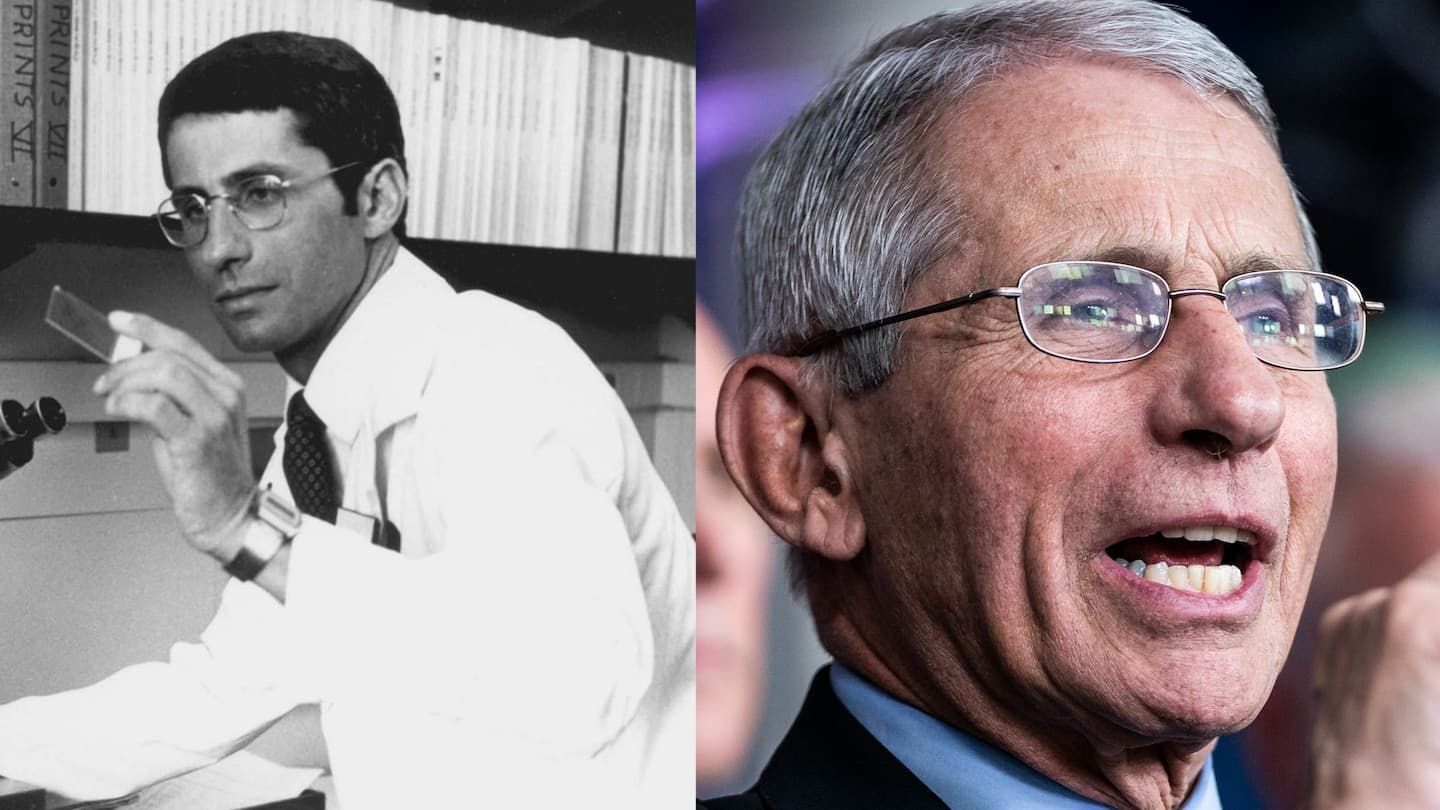
In 1989, the National Institutes of Health made a decision that would affect 1.4 million Americans. Dr. Anthony Fauci's agency announced that all HIV-positive individuals—even those showing no symptoms of AIDS—should begin taking AZT, a drug so toxic it had only been approved two years earlier as a last resort for the critically ill.
The premise seemed reasonable on its surface. A clinical trial appeared to show that AZT could delay the onset of AIDS symptoms in healthy carriers. But the trial had been stopped after just 16 weeks, and what happened next reveals a more complicated story about how medical consensus forms and how quickly it can shift.
AZT's toxicity was not in question. The drug caused severe anemia, neutropenia, and organ damage. Patients reported debilitating side effects. The pharmaceutical industry knew this. The medical establishment knew this. Yet the recommendation stood: take this poison preventatively, on a population scale, based on incomplete data.
This is where the official narrative begins to fracture. Health authorities maintained that the evidence justified the decision. They pointed to the trial's positive interim results. They argued that preventing AIDS progression outweighed the known risks of AZT treatment. They insisted the science was sound.
But activists in ACT UP—people living with HIV who were paying close attention to the data—saw something different. They protested Fauci's handling of the AIDS crisis, particularly his caution in approving experimental treatments while simultaneously rushing AZT to millions of asymptomatic people. The contradiction seemed impossible to ignore. Why move so aggressively with one drug and so defensively with others?
Get the 5 biggest receipts every week, straight to your inbox — plus an exclusive PDF: The Top 10 Conspiracy Theories Proven True in 2025-2026. No spam. No agenda. Just the papers they couldn't hide.
You just read "Fauci pushed to expand toxic AZT treatment to 1.4 million he…". We send ones like this every week.
No one's said anything yet. Be the first to drop your take.
What the historical record shows is that Fauci's NIH did recommend mass AZT prescription in 1989 based on a truncated trial. That part is documented and not seriously disputed. The contentious question is whether the decision was justified by the evidence or whether it prioritized a pharmaceutical intervention over the precautionary principle—the idea that new drugs should be thoroughly tested before widespread use, especially in healthy populations.
The long-term effects of this mass prescription remain genuinely debated. Some researchers have argued that the decision saved lives by delaying progression to AIDS. Others contend that the toxicity costs have been understated and that the trial's early stopping actually obscured potential harms that would have emerged in longer studies. The truth likely sits somewhere in the middle, but that middle ground is rarely discussed in either celebratory or conspiratorial narratives about this period.
What matters now is not whether someone was entirely right or wrong in 1989, but whether we ask hard questions about how those decisions were made. Why was a 16-week trial considered sufficient for a toxic drug given to millions of healthy people? Who pushed to expand the recommendation, and what pressures did they face? How did dissenting voices get treated?
These questions matter because they're not historical curiosities. They shape how we should approach public health recommendations today. Trust in medicine depends not on unanimous agreement, but on transparent acknowledgment of uncertainty, genuine consideration of dissenting views, and honest accounting of both benefits and harms. The AZT story suggests we've sometimes fallen short on all three fronts.
Beat the odds
This had a 4.3% chance of leaking — someone talked anyway.
Conspirators
~300Network
Secret kept
36.7 years
Time to 95% exposure
500+ years