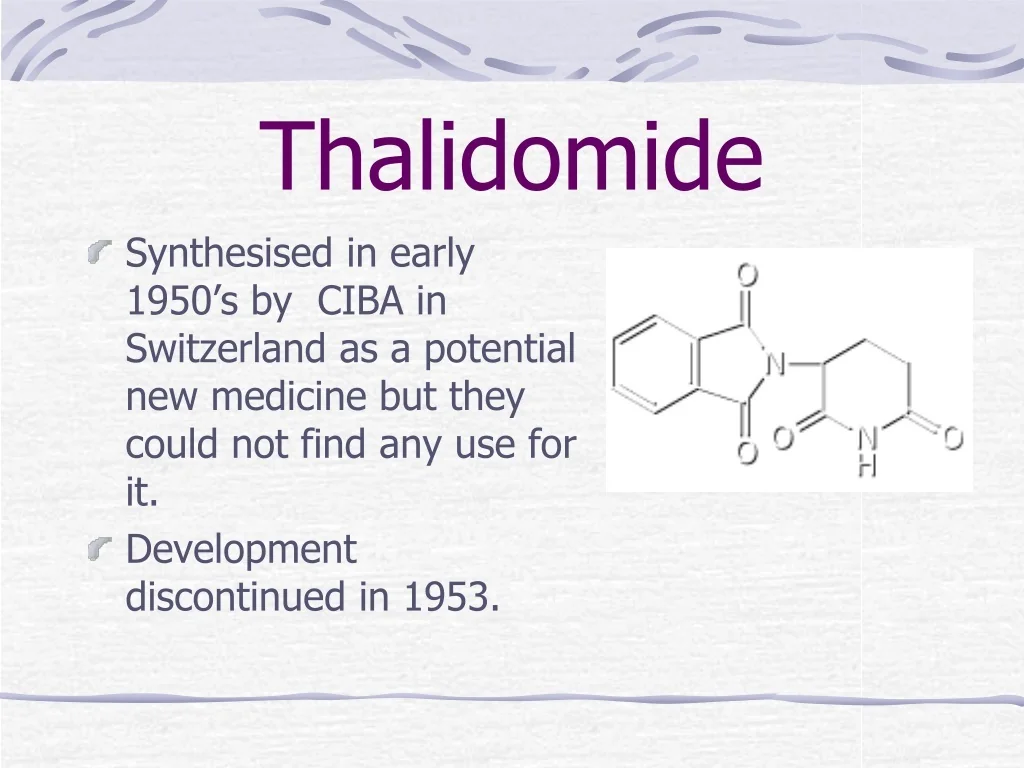
Chemie Grunenthal marketed thalidomide as a safe sedative for pregnant women in the late 1950s despite having reports of severe nerve damage (peripheral neuropathy) and insufficient safety testing. The drug caused an estimated 10,000+ children to be born with severe limb deformities. Dr. Frances Kelsey of the FDA blocked its approval in the US, saving thousands. Internal documents showed the company received adverse reports but suppressed them for years.
“Thalidomide is causing birth defects and the manufacturer knows about it. They are hiding the reports and continuing to sell the drug to pregnant women.”
What they said vs. what the evidence shows
“Thalidomide is one of the safest drugs on the market. There is no proven connection between thalidomide and birth defects.”
— Chemie Grunenthal · Jun 1961
SourceFrom “crazy” to confirmed
The Claim Is Made
This is the moment they called it crazy.
In the late 1950s, a West German pharmaceutical company called Chemie Grunenthal introduced a new sedative to the market with a promise that seemed almost too good to be true: a safe, non-toxic sleeping pill that wouldn't cause overdose deaths, even in large doses. The drug was called thalidomide, and within years it would become one of the most devastating pharmaceutical scandals of the modern era.
The original claim was simple and powerful: thalidomide was safe for everyone, including pregnant women. Chemie Grunenthal marketed it aggressively across Europe, Canada, and other parts of the world as the ideal sedative for anxiety, insomnia, and morning sickness. Doctors prescribed it widely. Pregnant women took it believing they were choosing the safest option available. The company's marketing materials promised efficacy without danger.
But even as thalidomide was being distributed to hundreds of thousands of patients, Chemie Grunenthal had received reports of a serious problem. Medical professionals had documented cases of peripheral neuropathy—severe nerve damage causing numbness, tingling, and long-term disability—in patients taking the drug. These adverse reports reached company leadership, yet the company continued marketing thalidomide globally without warning doctors or patients about the risks. Internal documents would later reveal that the company knew of these dangers but chose to suppress the information rather than halt sales.
The consequence was catastrophic. Between 1957 and 1962, an estimated 10,000 or more children were born with severe limb deformities—a condition now known as thalidomide embryopathy. Children were born with flipper-like appendages, missing fingers, shortened limbs, and other devastating birth defects. Many suffered additional organ damage. The scale of the tragedy became undeniable only when doctors began connecting the cases and linking them to maternal thalidomide use during pregnancy.
The official response from authorities was fragmented. In most countries, regulators had accepted the company's safety assurances and approved the drug without demanding rigorous testing. However, at the U.S. Food and Drug Administration, a single reviewer named Dr. Frances Oldham Kelsey refused to approve thalidomide for the American market. Despite pressure from the drug manufacturer and even from her own FDA colleagues, Kelsey insisted that the available safety data was insufficient. Her skepticism, rooted in careful scientific judgment rather than perfect foresight, proved prescient. The United States was largely spared the epidemic of birth defects that devastated other nations.
Get the 5 biggest receipts every week, straight to your inbox — plus an exclusive PDF: The Top 10 Conspiracy Theories Proven True in 2025-2026. No spam. No agenda. Just the papers they couldn't hide.
You just read "Thalidomide manufacturer knew of birth defect risks but cont…". We send ones like this every week.
No one's said anything yet. Be the first to drop your take.
Confirmed: They Were Right
The truth comes out. Officially documented.
Confirmed: They Were Right
The truth comes out. Officially documented.
As the full scope of the disaster became public in the early 1960s, thalidomide was withdrawn from most markets. But the critical evidence—Chemie Grunenthal's internal documents—showed that the company had received warnings about adverse effects and chose to continue marketing the drug anyway. They prioritized profits over safety and suppressed information that could have prevented thousands of cases of severe birth defects.
This case matters because it demonstrates how pharmaceutical companies can knowingly conceal safety information from regulators and the public. It shows why independent regulatory scrutiny, like Dr. Kelsey's careful review, can literally save lives. And it reveals the human cost of corporate negligence: tens of thousands of people living with permanent disabilities caused by a drug that should never have been given to pregnant women in the first place. The thalidomide tragedy remains a foundational argument for why pharmaceutical safety cannot be left entirely to manufacturer discretion.
Beat the odds
This had a 0.1% chance of leaking — someone talked anyway.
Conspirators
~300Network
Secret kept
0.7 years
Time to 95% exposure
500+ years