Bayer continued selling Factor VIII blood clotting products contaminated with HIV to hemophiliacs internationally after safer heat-treated versions were available, infecting thousands with AIDS.
“Our blood products undergo rigorous safety testing and meet all regulatory standards”
From “crazy” to confirmed
The Claim Is Made
This is the moment they called it crazy.
When hemophiliacs across the globe began dying from AIDS in the 1980s, their families wanted answers. What they discovered was a deliberate choice by one of the world's largest pharmaceutical companies to prioritize profit over lives. Bayer, the German multinational conglomerate, had knowingly distributed HIV-contaminated blood clotting products to patients who had no way of protecting themselves.
Hemophiliacs depend on Factor VIII, a blood clotting agent, to survive. Without it, even minor injuries can be fatal. In the early 1980s, manufacturers like Bayer developed heat-treated versions of Factor VIII that killed the HIV virus, making the product safe. The company began selling this safer version domestically in the United States by the mid-1980s. But internationally, particularly in Latin America, Asia, and Europe, Bayer continued distributing the older, unheated product—the one that carried a known risk of HIV transmission.
Internal documents later revealed that Bayer executives were aware of the danger. The company had tested their products and knew which batches were contaminated. Some infected hemophiliacs reported that they were never informed of the risks. Instead, they trusted the pharmaceutical giant to provide them with safe medicine.
When the claims first emerged, Bayer's official position was straightforward denial. Company spokespeople argued that decisions about which products to sell where were based on market economics and regulatory differences between countries, not on any knowledge of contamination. They suggested that hemophiliacs contracted HIV through multiple potential sources, making it impossible to definitively link infections to Bayer's products. The implication was clear: these were conspiracy theories born from grief and desperation.
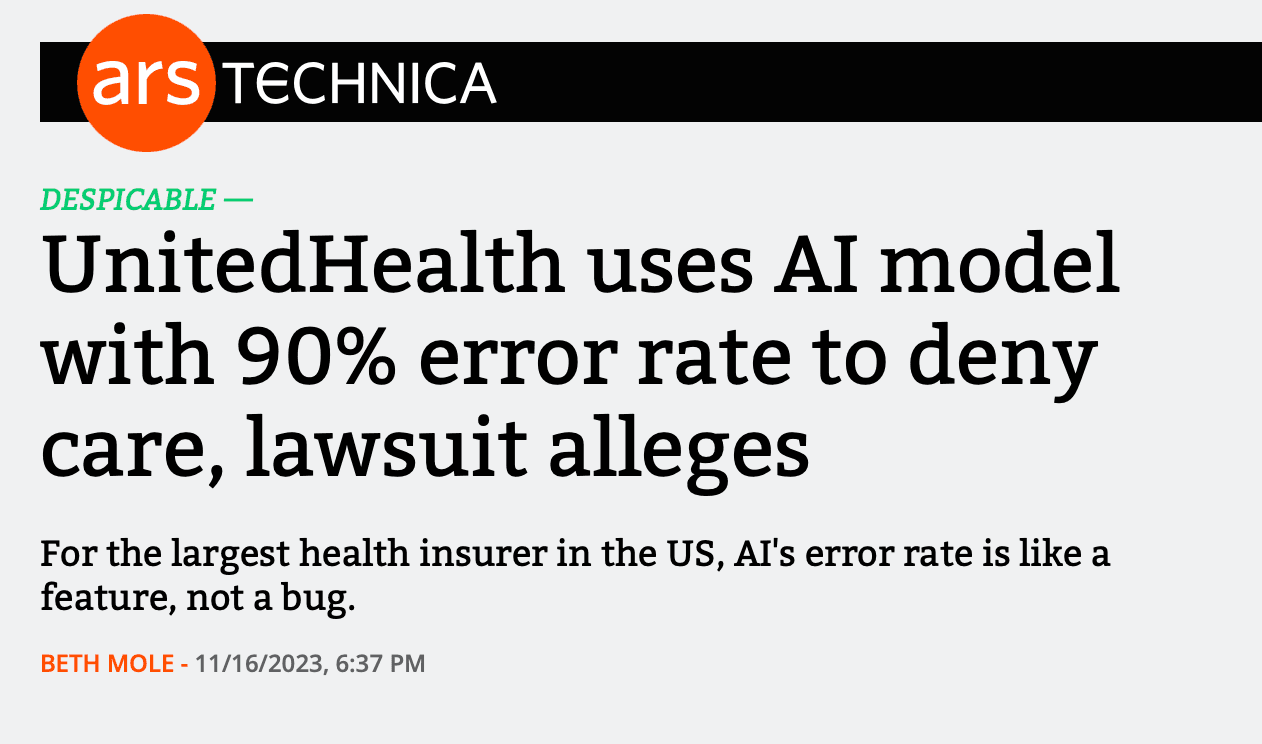
The evidence, however, told a different story. Investigative journalists, particularly those examining Bayer's internal communications, uncovered memos and emails showing that the company knew about the heat-treated alternative and its safety advantages. The New York Times reported in 2003 on "Two Paths of Bayer Drug in 80's: Riskier One Steered Overseas," documenting how Bayer deliberately chose to ship contaminated products internationally while selling the safer version at home. Court documents from subsequent lawsuits further corroborated these findings, with some cases resulting in settlements that implicitly acknowledged responsibility without admitting liability.
Get the 5 biggest receipts every week, straight to your inbox — plus an exclusive PDF: The Top 10 Conspiracy Theories Proven True in 2025-2026. No spam. No agenda. Just the papers they couldn't hide.
You just read "Bayer knowingly sold HIV-contaminated blood products to hemo…". We send ones like this every week.
No one's said anything yet. Be the first to drop your take.
The scale of the harm was staggering. Thousands of hemophiliacs worldwide contracted HIV through Bayer's Factor VIII. Many died. Families were devastated. In some countries, entire treatment centers became epicenters of infection. France ultimately prosecuted executives involved in the decision, a step the United States never took.
This case represents more than corporate malfeasance. It reveals a fundamental breach of the implied contract between patients and pharmaceutical companies. When someone takes medication, they trust that the manufacturer has prioritized their safety. Bayer broke that trust deliberately, treating international patients as less worthy of protection than American ones.
Today, as we navigate new health crises and new treatments, the Bayer case serves as a sobering reminder. Regulatory oversight matters. Transparency matters. And sometimes, the claim that sounds most outrageous—that a major corporation knowingly poisoned people—turns out to be exactly what happened.
Beat the odds
This had a 3.9% chance of leaking — someone talked anyway.
Conspirators
~300Network
Secret kept
33 years
Time to 95% exposure
500+ years