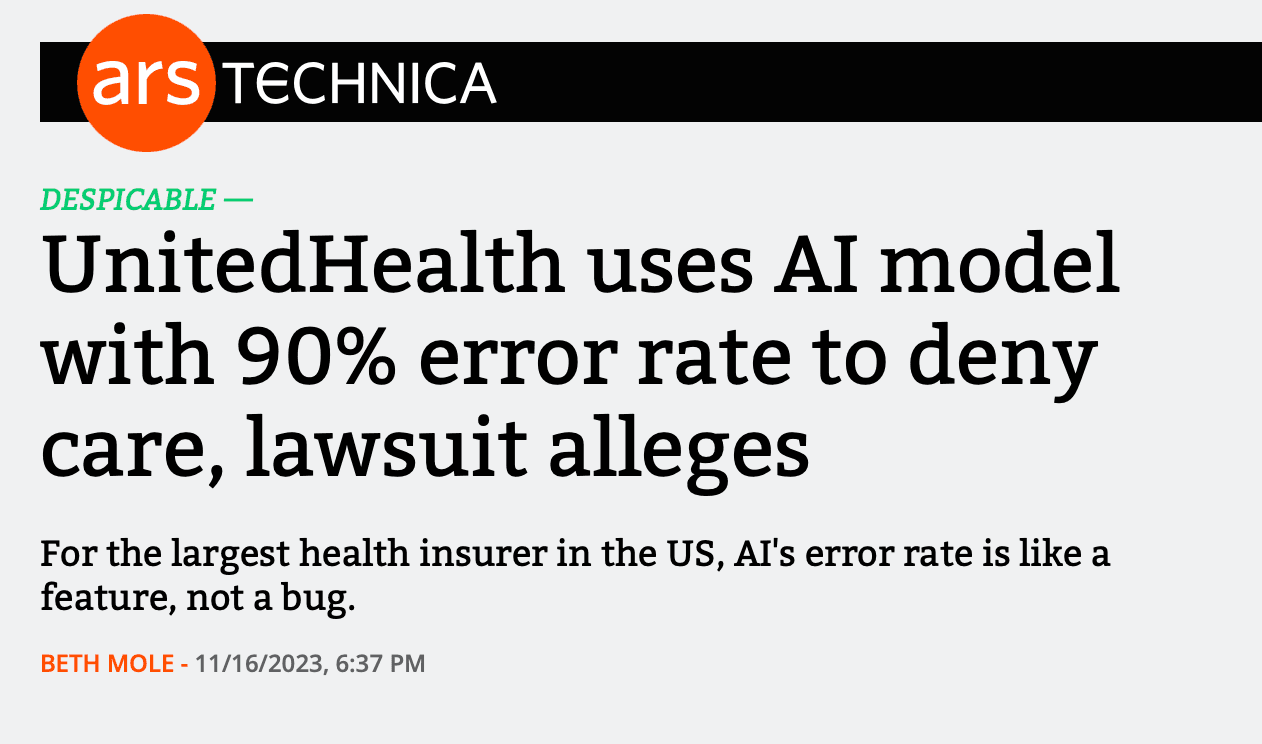
Documents showed Bayer continued selling Factor VIII blood products known to be contaminated with HIV to Asia and Latin America in 1980s after safer versions were available.
“We acted responsibly and in accordance with all regulatory requirements”
From “crazy” to confirmed
The Claim Is Made
This is the moment they called it crazy.
In the 1980s, while hemophiliacs in the United States received a safer blood product, thousands of patients in Asia and Latin America were being treated with a version known to carry HIV contamination. The company responsible was Bayer, one of the world's largest pharmaceutical manufacturers, and the decision to route the riskier product overseas wasn't accidental—it was deliberate business strategy.
Hemophiliacs depend on Factor VIII, a blood-clotting protein, to survive. Without it, even minor injuries can become life-threatening. By the early 1980s, as HIV began spreading through blood supplies, Bayer faced a critical choice: develop and distribute safer heat-treated versions of Factor VIII that killed the virus, or continue selling the existing product that carried transmission risk. The company chose a middle path that would later reveal the troubling calculus of pharmaceutical profit margins.
When Bayer introduced its heat-treated Factor VIII in the United States market, the company knew the safer version commanded a higher price. Rather than phase out the older, non-heat-treated product entirely, Bayer continued manufacturing and selling it. The crucial detail: they steered that riskier version to markets with less regulatory oversight. Between 1984 and 1985, as documented by the New York Times investigation, Bayer deliberately shipped non-heat-treated Factor VIII to Asia and Latin America while the American market received the safer alternative.
At the time, Bayer and other manufacturers claimed the older product was still acceptable. They argued that heat-treating blood products was experimental, that the safety improvements were uncertain, and that pulling the older version would disrupt supply to patients who desperately needed treatment. The industry resisted pressure to recall contaminated stocks, emphasizing the practical difficulties and the cost of such action.
The New York Times' reporting, drawing on internal company documents and regulatory files, proved otherwise. Bayer's own communications showed that executives understood the heat-treated version was superior and safer. The company didn't sell the non-heat-treated Factor VIII overseas because it was still viable—they did it because the older inventory had to go somewhere, and overseas markets offered less resistance. Documents revealed that Bayer continued the practice even after the contamination risks became undeniable, prioritizing markets where profits mattered more than patient safety oversight.
Get the 5 biggest receipts every week, straight to your inbox — plus an exclusive PDF: The Top 10 Conspiracy Theories Proven True in 2025-2026. No spam. No agenda. Just the papers they couldn't hide.
You just read "Bayer sold HIV-contaminated blood products overseas after pu…". We send ones like this every week.
No one's said anything yet. Be the first to drop your take.
The consequences were severe. Thousands of hemophiliacs in Asia and Latin America contracted HIV from contaminated Factor VIII products. Many developed AIDS and died. Some estimates suggest the number of infected patients reached into the thousands across these regions. Meanwhile, American patients, protected by domestic regulatory standards and market forces, largely avoided the same fate.
What makes this case significant isn't that pharmaceutical companies make profit-driven decisions—that's their business model. What matters is that Bayer had the knowledge and means to prevent harm but chose not to, reserving safety for wealthy markets while exporting risk to poorer ones. The company eventually faced legal consequences and settlements, but the damage to global trust in pharmaceutical ethics proved far longer-lasting.
This case demonstrates why oversight matters and why we must remain skeptical of industry assurances. When companies control information about their own products, and when profit incentives conflict with patient safety, documented evidence becomes essential. The paths Bayer chose in the 1980s weren't mysterious or unknown—they were just hidden until someone looked hard enough.
Beat the odds
This had a 2.7% chance of leaking — someone talked anyway.
Conspirators
~300Network
Secret kept
23 years
Time to 95% exposure
500+ years