Belgian F-16s obtained radar locks on triangular UFOs in 1990. Military initially confirmed encounters but later suggested equipment malfunctions despite multiple independent confirmations.
“Radar contacts were likely caused by equipment malfunctions or atmospheric phenomena”
From “crazy” to confirmed
The Claim Is Made
This is the moment they called it crazy.
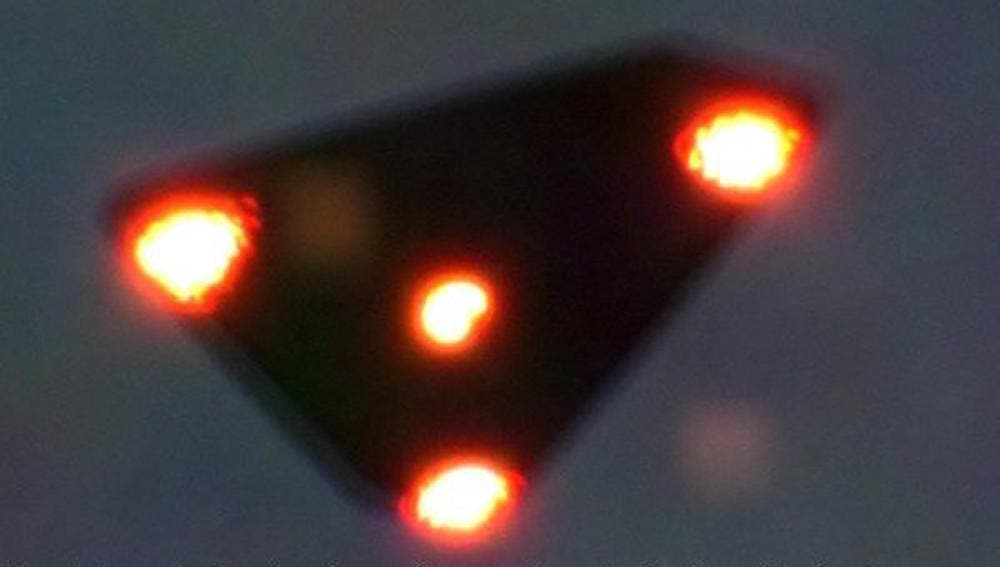
On the night of March 30, 1990, Belgian F-16 fighter jets scrambled to intercept unidentified objects moving across the night sky above Belgium. The pilots obtained radar locks on targets that defied conventional explanation—triangular craft hovering silently before accelerating at speeds that seemed to violate the laws of physics. This wasn't a fringe report from amateur stargazers. This was the Belgian military, one of NATO's most credible air forces, documenting something they couldn't identify.
What happened next is a textbook example of institutional credibility collapse. The Belgian Air Force initially confirmed the encounters through official channels. Pilots, radar operators, and ground witnesses provided consistent accounts. The sightings occurred during what became known as the Belgian UFO wave—a sustained period of sightings that had captured public attention and generated serious media scrutiny. The military's acknowledgment lent weight to what had previously been dismissed as mass hysteria or misidentification.
Then the narrative shifted. Officials began suggesting that radar operators had locked onto weather balloons, that atmospheric conditions had created optical illusions, and that equipment malfunctions explained the readings. These explanations came without the same rigor that had accompanied the initial reports. No formal investigation was released. No detailed technical analysis explained why military-grade radar systems, regularly calibrated and operated by trained specialists, would malfunction so spectacularly and so consistently.
The evidence, however, told a different story. Multiple independent radar stations across Belgium detected the same targets during the same timeframes. Pilots reported visual confirmation of the objects. Ground witnesses—civilians unconnected to the military—provided corroborating accounts of triangular craft with distinctive lighting patterns. These weren't isolated incidents but part of a documented wave spanning weeks. The consistency across multiple data sources, gathered independently by different observers using different equipment, made coincidence and equipment failure increasingly implausible as explanations.
Get the 5 biggest receipts every week, straight to your inbox — plus an exclusive PDF: The Top 10 Conspiracy Theories Proven True in 2025-2026. No spam. No agenda. Just the papers they couldn't hide.
You just read "Belgian Air Force Tracked UFO Triangle During 1990 Wave But …". We send ones like this every week.
No one's said anything yet. Be the first to drop your take.
Declassified records and subsequent investigations, particularly those documented during the Belgian UFO wave research, revealed that the military possessed far more detailed information than it had publicly released. Radar data, pilot reports, and military correspondence showed a clear pattern of encounters with objects that the Air Force's own standards for identification couldn't classify as conventional aircraft. The simultaneous inconsistency—detailed internal acknowledgment paired with public dismissal—suggested institutional concern about admitting limitations in either technological understanding or national airspace security.
What makes this case significant isn't the UFO element alone. It's the gap between what governments know and what they tell the public. The Belgian Air Force's initial transparency gave way to retraction and downplaying once the implications became uncomfortable. This pattern has repeated across multiple nations and decades. The immediate question becomes not whether the objects existed—the evidence confirms they did—but why official acknowledgment became problematic when the evidence was strongest.
Public trust in institutional authority rests partly on consistency and honesty. When military organizations possess documented encounters they initially confirm, then systematically reframe as equipment failures without providing supporting technical evidence, they undermine their own credibility. Citizens reasonably ask: if they're wrong about something this significant and this documented, what else have they misrepresented? The Belgian case demonstrates that proving a claim true doesn't guarantee institutions will accept that truth.
Unlikely leak
Only 7% chance this would come out. It did.
Conspirators
~500Large op
Secret kept
36.1 years
Time to 95% exposure
500+ years