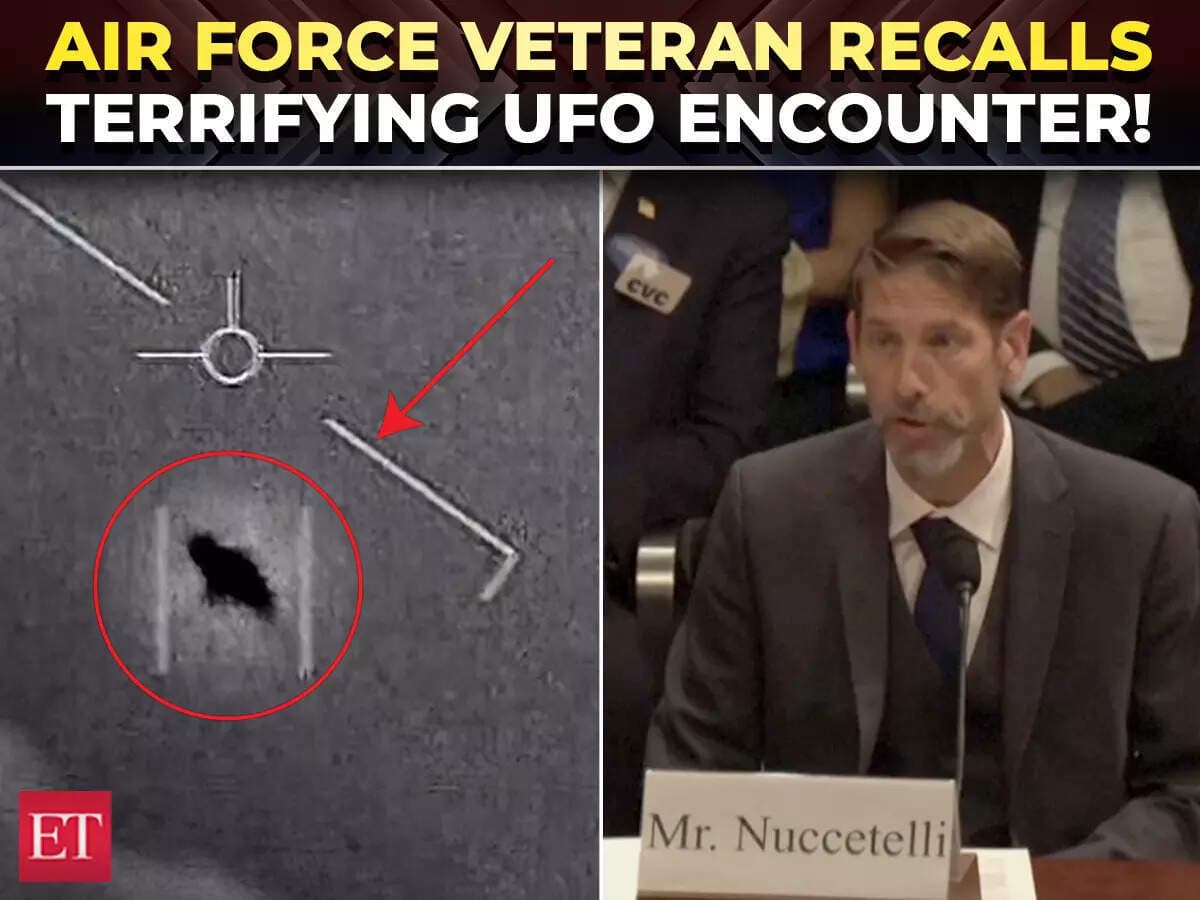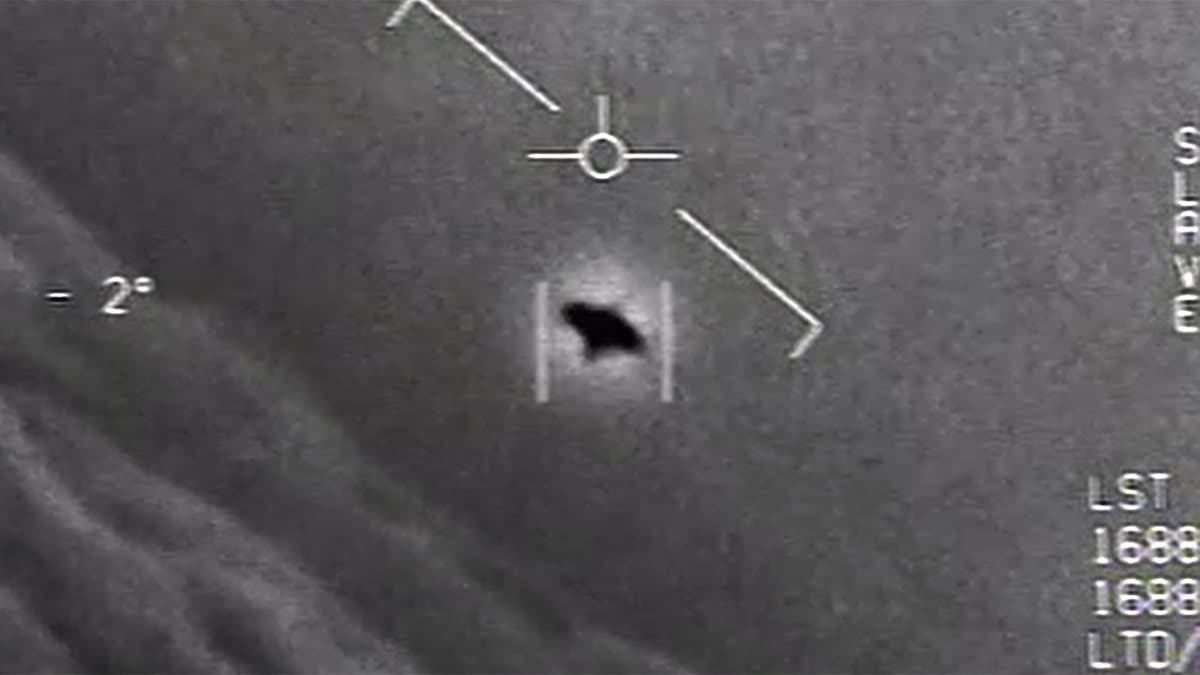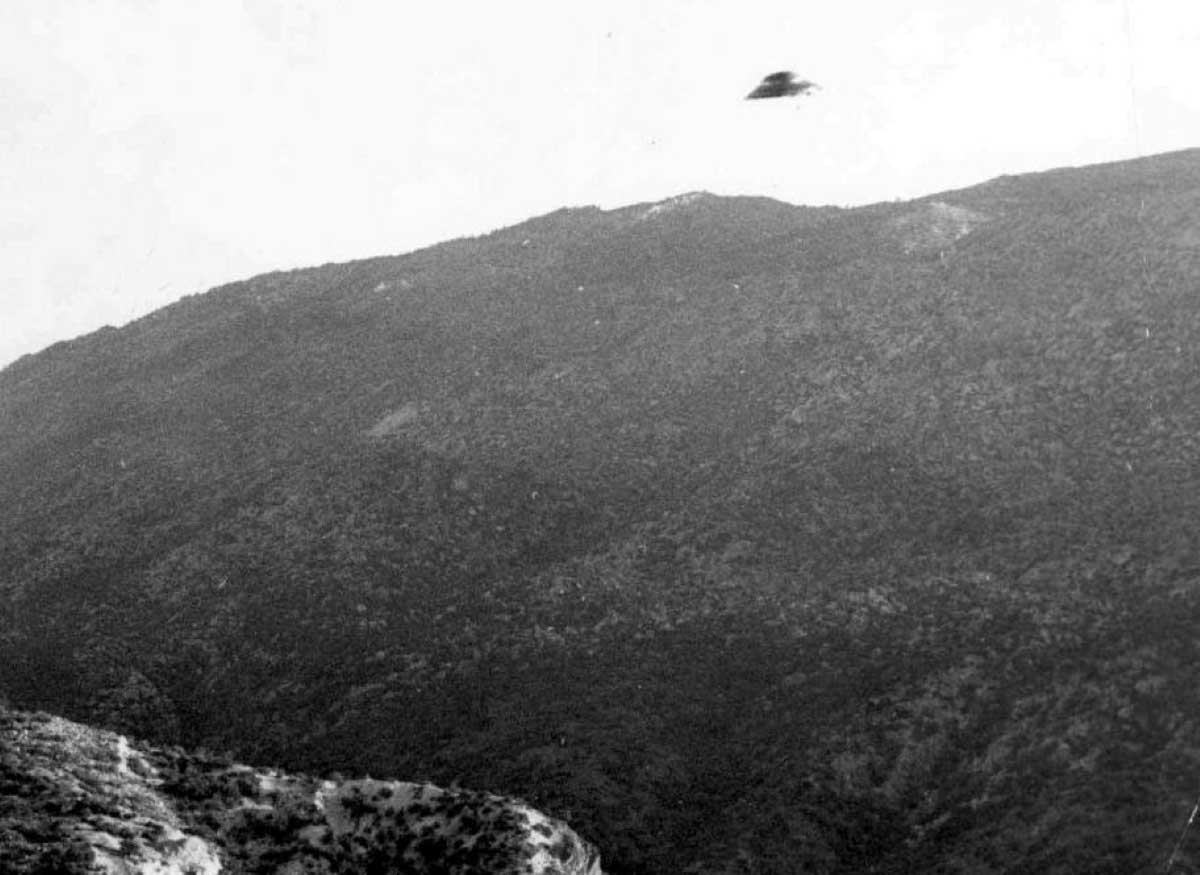
The Belgian Air Force admitted in 1990 they tracked unidentified objects on radar and scrambled F-16s during the Belgian UFO wave, after initially dismissing civilian sightings.
“No unusual aerial activity has been detected by our radar systems”
From “crazy” to confirmed
The Claim Is Made
This is the moment they called it crazy.
When thousands of Belgian citizens reported seeing strange lights crossing their skies in late 1989, they expected skepticism from authorities. What they didn't expect was to be told they were simply mistaken about what their own eyes had witnessed.
During the winter of 1989-1990, a wave of UFO sightings swept across Belgium. Witnesses—including police officers, pilots, and ordinary citizens—reported seeing large, silent, diamond-shaped objects moving across the night sky at impossible speeds and angles. The sightings were consistent, detailed, and came from credible observers across the country.
The Belgian Air Force's initial response was dismissive. Military officials suggested that witnesses were misidentifying conventional aircraft, astronomical phenomena, or weather balloons. This explanation might have held up, except for one critical problem: Belgium's own radar operators had detected these same objects.
What made this case different from countless other UFO reports was that the military possessed instrumental data. The Belgian Air Force's radar systems had picked up unidentified targets during the same time period when civilians were reporting sightings. The objects exhibited flight characteristics that radar operators found difficult to explain—sudden acceleration, impossible turns, and the ability to remain stationary in the air.
In March 1990, the situation escalated. The Air Force scrambled two F-16 fighter jets to investigate the radar contacts near the city of Eupen. The pilots were unable to establish visual contact with the objects, though radar continued tracking them. The jets attempted to pursue the targets, but the objects consistently accelerated beyond the F-16s' capabilities before vanishing from radar.
Following this high-profile incident, the Belgian Air Force faced mounting pressure. They could no longer maintain that nothing unusual had occurred. In an official statement, the military acknowledged they had indeed tracked unidentified objects on radar and had dispatched fighters in response. The admission came after months of initially denying what their own instruments had recorded.
Get the 5 biggest receipts every week, straight to your inbox — plus an exclusive PDF: The Top 10 Conspiracy Theories Proven True in 2025-2026. No spam. No agenda. Just the papers they couldn't hide.
You just read "Belgian Air Force Tracked UFOs on Radar But Initially Denied…". We send ones like this every week.
No one's said anything yet. Be the first to drop your take.
The significance of this reversal cannot be overstated. A military institution had initially denied empirical evidence while simultaneously dismissing civilian witnesses as unreliable observers. Only when the story threatened to undermine the institution's credibility did officials admit to what they had known all along.
What remains unresolved is perhaps more important than what was confirmed. The Belgian Air Force never provided a definitive explanation for what their radar systems had tracked or what the F-16 pilots were unable to catch. The objects' characteristics—the acceleration, the maneuverability, the silent operation—remained unexplained.
This case demonstrates a recurring pattern in how official institutions handle unexplained phenomena. Rather than transparency, the instinct is deflection. Rather than acknowledging the limits of current understanding, authorities prefer denying the observations entirely. Only when confronted with contradictory evidence do officials grudgingly concede the basics.
The Belgian Air Force case matters because it proves that when citizens report something genuinely strange, institutional denial isn't a sign that nothing happened. Sometimes it's a sign that officials are protecting institutional credibility rather than serving public understanding. In Belgium, thousands of witnesses were initially told they hadn't seen what they saw. Their government knew better all along.
Unlikely leak
Only 7% chance this would come out. It did.
Conspirators
~500Large op
Secret kept
36.4 years
Time to 95% exposure
500+ years